Req 2d — Healthy Eating Habits
This requirement is personal. It asks you to honestly look at what you eat and think about where you can improve. Nobody has a perfect diet — the goal is progress, not perfection.
Taking an Honest Look
Before meeting with your counselor, spend a day or two paying attention to what you actually eat — not what you think you should eat. Most people are surprised when they notice patterns they had not thought about before.
Ask yourself:
- Fruits and vegetables: Do you eat them at every meal, or are they missing from most of your plate?
- Whole grains vs. refined grains: Is most of your bread and pasta white, or do you choose whole grain options?
- Protein variety: Do you eat the same protein source every day, or do you mix it up with poultry, fish, beans, and nuts?
- Dairy: Are you getting three cups a day, including options like yogurt and cheese?
- Sugary drinks: How many sodas, sports drinks, or sweet teas do you drink in a day?
- Snacking: Are your snacks nutrient-rich (fruit, nuts, yogurt) or mostly empty calories (chips, candy, cookies)?
Common Eating Habits to Improve
Here are patterns that many teens (and adults) recognize in themselves:
Skipping breakfast. Your body has been fasting all night. Eating a balanced breakfast kickstarts your metabolism and improves focus and energy for the day. Even something simple — a banana with peanut butter on whole wheat toast — makes a difference.
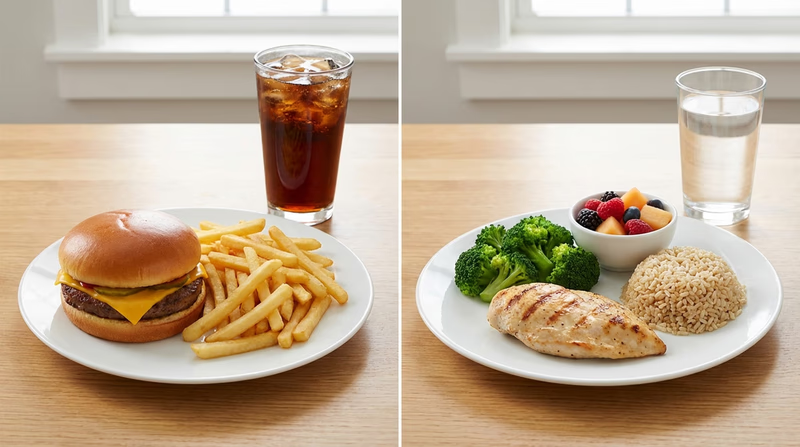
Drinking your calories. Sodas, energy drinks, and specialty coffees can contain as much sugar as a dessert. Switching to water, milk, or unsweetened drinks is one of the easiest health improvements you can make.
Eating too fast. It takes about 20 minutes for your brain to register that your stomach is full. If you eat your entire meal in 5 minutes, you are likely to overeat. Slow down, chew thoroughly, and enjoy the food you prepared.
Relying on processed and fast food. Convenience foods tend to be high in sodium, added sugars, and unhealthy fats. Cooking your own meals — which is exactly what this merit badge teaches — gives you control over what goes into your body.
Not enough variety. Eating the same foods every day means you miss out on nutrients found in other foods. Challenge yourself to try one new fruit, vegetable, or whole grain each week.
Setting Realistic Goals
Your counselor does not expect you to overhaul your entire diet overnight. What they want to see is that you can identify one or two specific, realistic changes and explain why they matter.
Good examples of realistic goals:
- “I am going to add a fruit or vegetable to every lunch this week.”
- “I am going to replace soda with water at dinner.”
- “I am going to try one new vegetable each week for a month.”
- “I am going to eat breakfast every day, even if it is just yogurt and a piece of fruit.”
Making It Stick
Changing eating habits is hard. Here are strategies that work:
- Start small. One change at a time is more sustainable than five.
- Do not ban foods. Telling yourself you can never eat pizza again is a recipe for failure. Instead, think about balance — pizza with a side salad is better than pizza alone.
- Cook more. The more you cook, the more control you have over what you eat. This entire merit badge is building that skill.
- Involve your family. Healthy eating is easier when the people you eat with are on board.