Req 4d — Cook & Serve
This is it — time to cook. You have planned your menus, found your recipes, bought your ingredients, and discussed your plan with your counselor. Now you put it all into action.
Before You Start
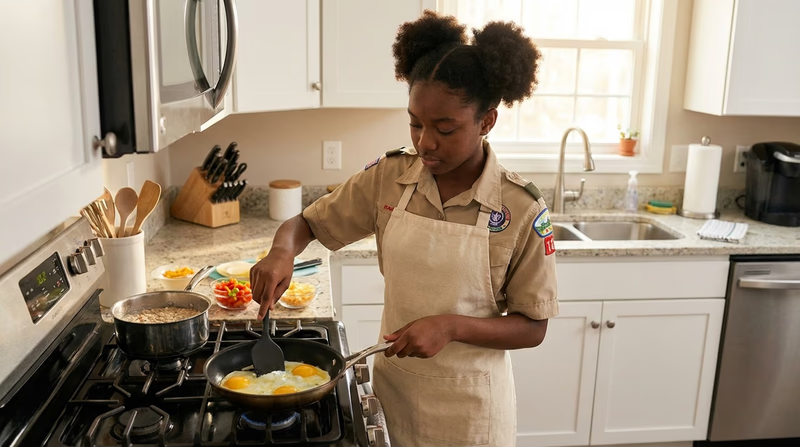
Set up your workspace. A clean, organized kitchen is a safe kitchen. Before you begin any meal:
- Clear countertops of clutter
- Gather all ingredients and equipment
- Set up your mise en place — prep everything (chop, measure, open cans) before turning on the heat
- Make sure you have pot holders, a fire extinguisher, and a first-aid kit accessible
Pre-Cooking Checklist
Run through this before every meal
- Hands washed with soap and warm water
- Clean apron on
- Hair tied back (if long)
- Recipe printed or visible (not on a device that might get splashed)
- All ingredients measured and prepped
- Cutting boards ready (separate ones for raw meat and produce)
- Food thermometer available
- Trash can and compost accessible for scraps
- Timer set or phone ready for timing
Cooking Method Reminders
You need to use at least five of the ten methods from Req 3a. As you cook each meal, note which method you used. Here is a quick reference:
| Method | Key Reminder |
|---|---|
| Baking | Preheat oven fully before putting food in |
| Boiling | Use a lid to speed things up; watch for boil-overs |
| Broiling | Watch constantly — food burns fast under a broiler |
| Pan frying | Oil should shimmer, not smoke |
| Simmering | Gentle bubbles, not a rolling boil |
| Microwaving | Stir or rotate halfway through for even heating |
| Air frying | Shake or flip food halfway through |
| Grilling | Create heat zones; use a thermometer for doneness |
| Foil cooking | Seal packets tightly; rotate for even cooking |
| Dutch oven | Count briquettes carefully for temperature control |
Tips for Success
Read the recipe one more time right before you start. Even if you have read it three times already, a quick refresher prevents mistakes.
Taste as you go. The best cooks taste their food at every stage and adjust seasoning. Add a little salt, taste, add more if needed. You can always add — you cannot take away.
Do not panic if something goes wrong. Burned the garlic? Start that step over. Underseasoned the soup? Add more. Overcooked the pasta? Serve it with extra sauce. Cooking is forgiving, and small mistakes rarely ruin an entire meal.
Clean as you go. Wash a pot as soon as you are done with it. Wipe down cutting boards between uses. This keeps your workspace manageable and is a critical food safety practice.
Serving the Meal
Presentation matters. You do not need restaurant-level plating, but taking a moment to arrange food neatly on the plate shows respect for the people you are serving and for the effort you put into cooking.
- Wipe the rim of the plate clean before serving
- Add a pop of color (a sprig of parsley, a slice of lemon, a handful of fresh berries)
- Serve food at the right temperature — hot food hot, cold food cold
- Set the table before the food is ready so you can serve immediately
Important Reminders
- The meals do not need to be prepared on consecutive days — take your time and do each one well.
- The same adult does not need to be served for every meal — you can serve different family members.
- Have the adult you serve verify the meal preparation so they can confirm it to your counselor.