Req 4e — Meal Timing
You learned the theory of meal timing in Req 3c. Now you are putting it into practice. This requirement asks you to demonstrate that you can manage your time in the kitchen — getting every component of a meal ready to serve together, at the time you planned.
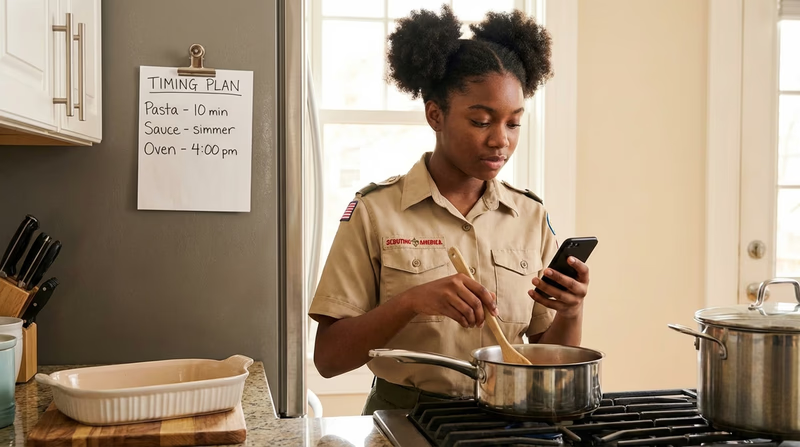
Building Your Timing Plan
For each meal you cook, create a simple timeline using the backward planning method:
- Pick your serving time. Write it at the bottom of your plan.
- List every component of the meal with its total time (prep + cook).
- Work backward from the serving time to determine when each component needs to start.
- Include preheating time for ovens and grills.
- Build in 5–10 minutes of buffer — things almost always take a little longer than expected.
During the Meal
As you cook, stay aware of the clock. Here are practical strategies:
- Start the longest-cooking item first. Everything else works around that anchor dish.
- Use downtime wisely. While the oven does its job, prep your next dish, set the table, or clean up.
- Adjust on the fly. If one dish finishes early, cover it and keep it warm. If something is running late, push back the faster items.
- Communicate. Let the people you are serving know when dinner will be ready. If it is going to be late, tell them.
Adult Verification
An adult who is present during your cooking needs to verify your work to your counselor. They are watching for:
- Did you follow safe food handling practices?
- Did you use the cooking methods you planned?
- Did the components of the meal come out at roughly the same time?
- Was the food cooked properly (safe temperatures)?
Ask the adult to sign or write a brief note confirming what they observed. Your counselor will appreciate this documentation.
Reflecting on Your Timing
After each meal, take a minute to note:
- Did everything come out on time?
- What finished first? What finished last?
- What would you change in your timing plan next time?
These notes will feed directly into your evaluation discussion in Req 4f.