Req 4f — Evaluate & Reflect
Cooking does not end when you set the plate on the table. The best cooks reflect on every meal — what worked, what did not, and what they would change next time. This habit is what turns a beginner into a confident cook.
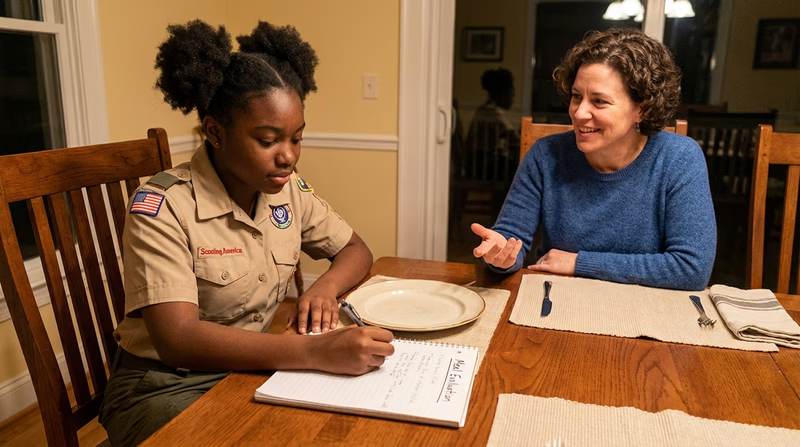
Getting Honest Feedback
After each meal, ask the person you served two simple questions:
- How was the presentation? Did the food look appealing? Was it arranged neatly on the plate? Were the portions right?
- How was the taste? Was it seasoned well? Was anything over- or under-cooked? Was there anything they would change?
Listen without defending yourself. The goal is not to get a compliment — it is to learn. Even a simple “the chicken was a little dry” gives you specific, useful information for next time.
Evaluating Your Own Meal
Now turn the lens on yourself. Be honest about what you think, separate from what the person you served said:
- Presentation: Did the plate look the way you imagined? Was the food a good temperature when served?
- Taste: Does the food taste the way the recipe described? Would you change the seasoning?
- Texture: Was everything cooked to the right doneness? Were there any texture problems (rubbery eggs, soggy vegetables, tough meat)?
- Timing: Did all the components come out together, or was something sitting too long while you finished another dish?
- Process: Was your workspace organized? Did you feel rushed or in control?
Common Adjustments
Here are adjustments that many Scouts discover through this process:
- “I needed more salt.” Underseasoning is the most common beginner mistake. Season in layers — a little while cooking, then taste and adjust at the end.
- “The meat was overcooked.” Use a food thermometer instead of guessing. Pull meat off the heat a few degrees before the target temperature — it will continue cooking from residual heat (called “carryover cooking”).
- “Everything was ready at different times.” Revisit your timing plan from Req 3c. Add buffer time for dishes that took longer than expected.
- “I ran out of a key ingredient.” Double-check your shopping list against your recipes before you start cooking.
- “The kitchen was a mess.” Clean as you go. Wash dishes, wipe surfaces, and put away ingredients between steps.
The Role of Planning and Preparation
When you meet with your counselor, be ready to explain how planning and preparation contributed to your success (or how a lack of planning caused problems). Think about:
- Menu planning ensured nutritional balance and variety across your meals.
- Recipes gave you step-by-step instructions so you were not guessing.
- Shopping lists meant you had every ingredient you needed before you started.
- Mise en place (prepping ingredients before cooking) let you focus on technique instead of scrambling.
- Timing plans helped you serve all components together.
- Food safety awareness kept everyone healthy.
The pattern is clear: the more you plan, the better the outcome. This lesson applies not just to cooking, but to almost everything you do in Scouting and in life.