Req 5a — Camp Menu Planning
Welcome to camp cooking — where everything gets more challenging and more rewarding. You are no longer cooking in a comfortable kitchen with running water and a full-size refrigerator. You are cooking outdoors, for a group, with limited equipment. The planning you do now is even more important than it was for home cooking.
Key Differences from Home Cooking
Before you start planning, understand what changes when you move outdoors:
- Larger group. You are feeding up to 8 people instead of 2. Quantities increase significantly.
- Limited equipment. You will have camp stoves, a fire, basic cookware, and maybe a Dutch oven — no oven, no microwave, no air fryer.
- Limited refrigeration. Coolers with ice replace refrigerators. Plan perishable foods for early meals and shelf-stable foods for later ones.
- No running water. You need to plan for handwashing, dishwashing, and drinking water.
- Weather and environment. Wind, rain, heat, cold, and wildlife all affect outdoor cooking.
Planning Your Camp Menu
Your menu must include:
- 2 breakfasts
- 1 lunch
- 1 dinner
- 1 snack
- 1 dessert
Breakfast ideas for camp:
- Scrambled eggs with cheese and toast (use fresh eggs early in the trip)
- Pancakes or French toast with fruit
- Oatmeal with brown sugar, nuts, and dried fruit (no refrigeration needed)
- Breakfast burritos with pre-cooked sausage
Lunch ideas for camp:
- Sandwiches with deli meat, cheese, and fresh vegetables
- Quesadillas on a camp stove
- Hot dogs or bratwurst grilled over coals
- Foil-packet meals prepared over coals
Dinner ideas for camp:
- Dutch oven chili with cornbread
- Grilled chicken with foil-packet vegetables
- Pasta with meat sauce on a camp stove
- Stew or soup simmered over the fire
Snack and dessert ideas:
- Trail mix, granola bars, fresh fruit
- Dutch oven cobbler, banana boats in foil, s’mores, campfire popcorn
Cooking Methods at Camp
Remember — Req 5d requires specific cooking methods:
- Two meals cooked on a camp stove OR backpacking stove
- One meal cooked in a skillet OR Dutch oven over campfire coals
- One meal cooked in a foil pack OR on a skewer
Build your menu around these requirements. Map each meal to its required cooking method before finalizing your plan.
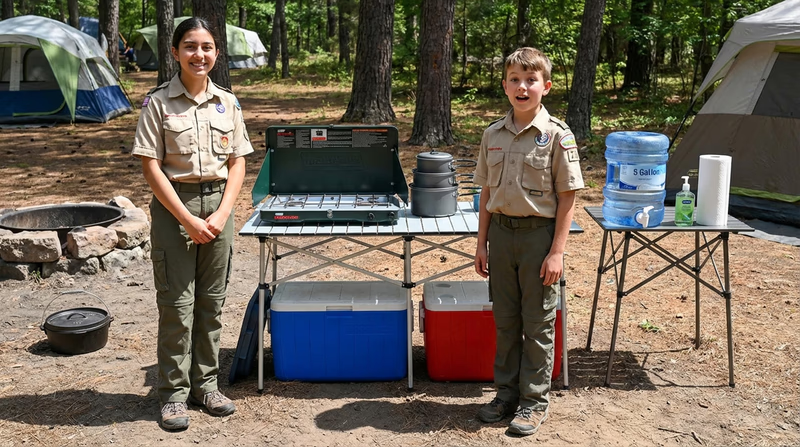
Food Safety at Camp
Camp food safety requires extra attention because you do not have the convenience of a kitchen.
Camp Food Safety Plan
Address these in your menu plan
- How will you keep perishable foods cold (cooler strategy, ice replenishment)?
- How will you prevent cross-contamination (separate cutting boards, handwashing)?
- Where will you store food overnight (bear canister, bear box, or vehicle)?
- How will you wash hands before handling food (sanitizer, portable wash station)?
- How will you check meat temperatures (bring a food thermometer)?
- How will you dispose of gray water, food scraps, and garbage?
Equipment for Camp Cooking
Your equipment list will look different from your home cooking list. Think about what you need and what you can share with your patrol.
Camp Cooking Equipment
Common items for patrol-size camp cooking
- Camp stove with fuel
- Matches or lighter (in a waterproof container)
- Cast-iron skillet and/or Dutch oven
- Pots (at least one large enough for the group)
- Heavy-duty aluminum foil
- Cooking utensils (spatula, tongs, ladle, wooden spoon, can opener)
- Cutting board and knife
- Food thermometer
- Pot holders or heat-resistant gloves
- Plates, cups, and utensils for each person
- Biodegradable soap, sponge, and wash basins (3-basin system)
- Trash bags and recycling bags
- Water jugs or containers
- Hand sanitizer or portable hand-washing station
- Coolers with ice
- Fire-starting supplies (if using a campfire)