Req 5d — Cook Outdoors
5d.
In the outdoors, using your menu plans and recipes for this requirement, cook two of the four meals you planned using either a camp stove OR backpacking stove. Use a skillet OR a Dutch oven over campfire coals for the third meal, and cook the fourth meal in a foil pack OR on a skewer. Serve all of these meals to your patrol or a group of youth.
This is the heart of the Cooking merit badge — preparing real meals outdoors for your patrol using three different heat sources. You have planned, shopped, and prepped. Now it is time to cook.
Cooking Method Requirements
Let’s be clear about what is required:
| Meals | Heat Source Options |
|---|---|
| Meal 1 and Meal 2 | Camp stove or backpacking stove |
| Meal 3 | Skillet or Dutch oven over campfire coals |
| Meal 4 | Foil pack or on a skewer |
You get to choose which meals use which method. A smart approach is to match the method to the meal:
- Breakfast on a camp stove — eggs, pancakes, and oatmeal work beautifully on a controlled flame.
- Lunch as foil packs or skewers — quick, fun, and everyone can customize their own.
- Dinner in a Dutch oven — stews, chili, or cobbler benefit from the slow, even heat of coals.
Camp Stove Cooking
Tips for success:
- Light the stove according to the manufacturer’s instructions. Practice before the trip if it is your first time.
- Use a windscreen if your stove has one — wind steals heat and wastes fuel.
- Adjust the flame just as you would at home. Camp stoves have excellent temperature control.
- Keep a pot of water heating on a second burner (if available) for cleanup.
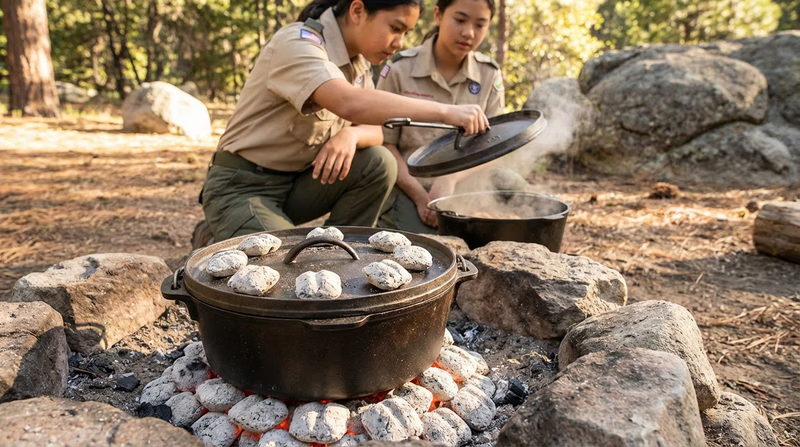
Dutch Oven or Skillet Over Coals
This is where outdoor cooking gets exciting. Cooking over campfire coals gives you a flavor and experience that no kitchen can replicate.
Dutch Oven Tips:
- Start your fire or charcoal 30–45 minutes before you need to cook. You need hot coals, not open flames.
- Use the briquette formula: for a 12-inch Dutch oven at 350°F, use about 24 briquettes — 16 on top, 8 on the bottom. Adjust up or down for higher or lower temperatures.
- Rotate the lid and the oven a quarter turn every 15 minutes to prevent hot spots.
- Use a lid lifter to check food — never set the lid on the ground (it picks up dirt and ash).
Skillet Tips:
- A cast-iron skillet works directly on a grate over coals or on a camp stove.
- Preheat the skillet before adding oil or food.
- Use longer-handled utensils to keep your hands away from the fire.
Foil Pack or Skewer Cooking
Foil Pack Tips:
- Use heavy-duty aluminum foil — regular foil tears easily and leaks.
- Cut vegetables into uniform sizes so everything cooks evenly.
- Use the drugstore wrap for a tight seal (fold the top edges together, then fold each end in).
- Place packets on a grate above coals, not directly in the fire. Rotate every 5–10 minutes.
- Cooking time is typically 15–30 minutes depending on contents. Check one packet before declaring them all done.
Skewer Tips:
- If using wooden skewers, soak them in water for 30 minutes before cooking to prevent them from burning.
- Cut all pieces to a similar size for even cooking.
- Leave small gaps between pieces so heat can circulate.
- Rotate skewers frequently for even browning.
Serving Your Patrol
As you finish each meal, serve your patrol promptly. Hot food should be served hot. Announce when the meal is ready and have a system for serving — either a buffet line or plating each person’s portion.