Req 5f — Camp Meal Evaluation
Feedback at camp is even more valuable than feedback at home. Outdoor cooking has more variables — wind, weather, fire management, limited equipment — and every meal teaches you something new.
Collecting Camp Feedback
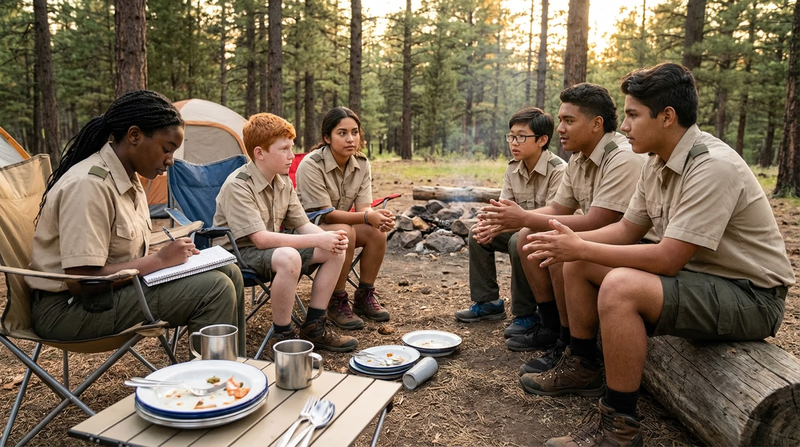
After each meal, ask your patrol members two questions:
- How did the food look? Was it well-presented? Did the portions seem right?
- How did it taste? Was it seasoned well? Cooked properly? Would they change anything?
Camp feedback tends to be more honest than home feedback — hungry Scouts are not shy about telling you what they think. Take it in stride and write it down.
Self-Evaluation at Camp
Outdoor cooking adds challenges you do not face at home. Evaluate your performance honestly:
- Fire/stove management: Did you maintain consistent heat? Did the fire burn too hot, too cold, or unevenly?
- Timing: Did all components come out together, or was the patrol waiting while you finished a dish?
- Adaptation: How did you handle unexpected challenges (weather, equipment issues, ingredient problems)?
- Teamwork: If patrol members helped, did you coordinate effectively?
- Safety: Did you follow food safety protocols throughout? Did you check cooking temperatures?
Camp-Specific Lessons Learned
Common lessons that Scouts discover during camp cooking:
- “I underestimated how long charcoal takes to get ready.” Plan 20–30 minutes for briquettes to ash over before cooking.
- “The wind kept blowing out my camp stove.” Use a windscreen and position the stove with the wind at your back.
- “Food took longer to cook than the recipe said.” Altitude, wind, and outdoor temperature all affect cooking time. Build extra time into your plan.
- “I did not make enough food.” Active Scouts eat more than you expect. It is better to have leftovers than hungry patrol members.
- “Cleanup took way longer than I thought.” Start heating wash water before the meal is done.
How Planning Ensures Outdoor Success
When you discuss this requirement with your counselor, connect your experience back to the planning process:
- Menu planning ensured balanced nutrition and matched meals to available cooking methods.
- Recipe scaling prevented running out of food for the group.
- Shopping lists meant you had every ingredient when you arrived at camp.
- Equipment lists prevented the frustration of realizing you forgot a critical tool.
- Food safety planning kept everyone healthy despite the challenges of outdoor conditions.
- Timing plans helped you serve hot food on schedule even without a kitchen timer on the wall.
The lesson is the same as home cooking, amplified: preparation is the difference between a stressful scramble and a successful meal.