Req 5g — Cleanup & Storage
Cleanup is not optional — it is a critical part of outdoor cooking. A dirty camp kitchen attracts wildlife, breeds bacteria, and makes the next meal harder to prepare. As the cook, you are responsible for leading the cleanup effort.
The Three-Basin Wash System
The standard camp dishwashing method uses three basins (or large pots) in sequence:
- Wash basin — Hot water with biodegradable camp soap. Scrub dishes, pots, and utensils to remove all food residue.
- Rinse basin — Clean hot water (no soap). Rinse off all soap residue.
- Sanitize basin — Water with a capful of bleach (about 1 tablespoon per gallon) or very hot water. Dip items briefly to kill remaining bacteria.
After the three basins, air-dry everything on a clean surface or dry with a clean towel. Do not stack wet dishes — this traps moisture and promotes bacterial growth.
Handling Food Scraps and Leftovers
Leftover food:
- If you have a cooler with ice and the food is still safe (has not been in the temperature danger zone for more than 2 hours), store it in sealed containers in the cooler for a future meal.
- If you cannot keep it cold or it has been out too long, dispose of it properly.
Food scraps:
- Never scatter food scraps in the woods. This attracts wildlife and habituates animals to human food — which is dangerous for both the animals and future campers.
- Pack food scraps out in your trash bag. Treat food waste like any other garbage.
Disposing of Dishwater (Gray Water)
Gray water is the water left after washing dishes. It contains food particles, grease, and soap. Improper disposal can contaminate water sources and attract animals.
Proper gray water disposal:
- Strain the gray water through a fine mesh strainer or bandana to remove food particles. Pack the food particles out with your trash.
- Scatter the strained water broadly over a wide area at least 200 feet from any water source (stream, lake, river).
- Do not pour gray water into a fire pit — it creates a smelly mess that attracts animals.
Cleaning the Cooking Site
After dishes are done and food is stored, clean the entire cooking area:
Cooking Site Cleanup
Complete these before leaving the cooking area
- All food stored in animal-proof containers or coolers
- All trash and food scraps bagged and sealed
- Gray water strained and scattered properly
- Fire pit cleaned (if used): ashes stirred and cold to the touch
- Camp stove wiped down and fuel valve closed
- Cooking surfaces and tables wiped clean
- All equipment and utensils washed, dried, and stored
- Ground around the cooking area checked for dropped food
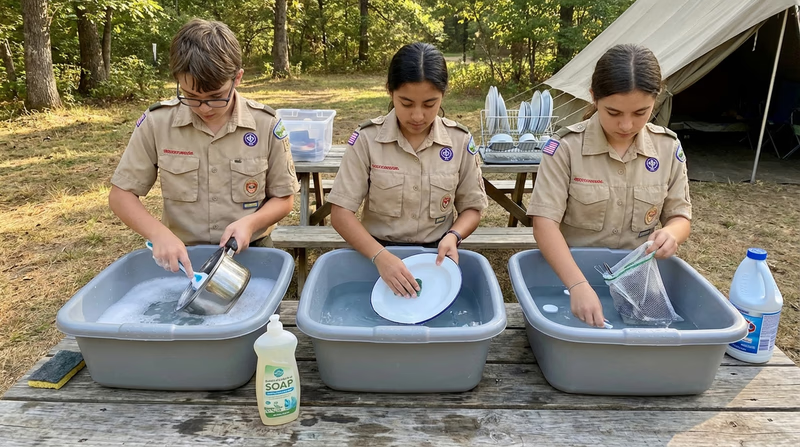
Leading the Cleanup
This requirement says lead the cleanup — not do it all yourself. Good leadership means:
- Delegate tasks. Assign someone to wash, someone to rinse, someone to dry, someone to handle trash, and someone to wipe down the cooking area.
- Set the standard. Check the work before declaring cleanup complete. Run your hand over the cooking surface — if it is sticky or greasy, it is not clean yet.
- Be present. Stay involved and work alongside your team. Do not just give orders and walk away.