Req 6a — Trail Menu Planning
Trail cooking is the most challenging type of cooking you will do in this merit badge — and the most stripped-down. Every ounce you carry matters, refrigeration does not exist, and your “kitchen” is whatever you can fit in a backpack. This is cooking at its most resourceful.
The Trail Cooking Mindset
On the trail, three factors dominate every food decision:
- Weight — You carry everything on your back. Heavy food means a heavier pack, which means more fatigue and less enjoyment.
- No refrigeration — You cannot bring fresh meat, dairy, or anything that spoils at room temperature.
- Calorie density — You burn a lot of energy hiking. Your food needs to deliver maximum calories per ounce.
Planning Trail Meals
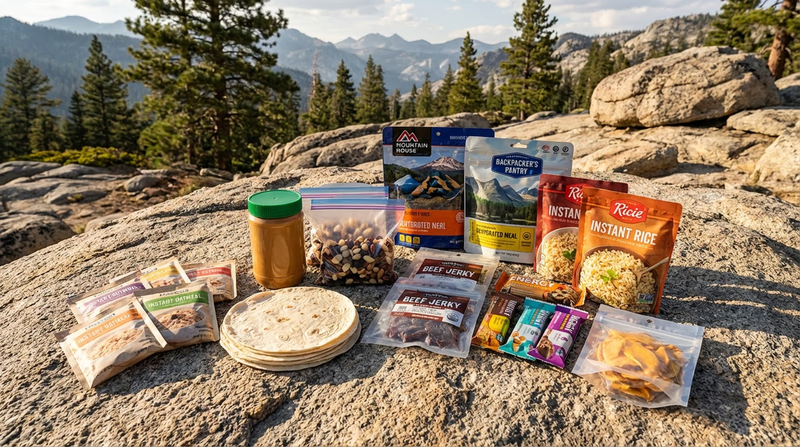
Your one-day trail menu must include breakfast, lunch, dinner, and a snack for 3–5 people. Here is how to approach each meal:
Breakfast — Quick Energy, Minimal Cleanup
- Instant oatmeal with dried fruit and nuts (just add boiling water)
- Granola with powdered milk
- Breakfast bars or energy bars
- Instant coffee, hot cocoa, or tea
Lunch — No-Cook or Minimal Prep Trail lunches should not require a stove. You want to eat quickly and keep moving.
- Tortillas with peanut butter and honey (tortillas are lighter and more durable than bread)
- Hard cheese and crackers with summer sausage (these do not require refrigeration for a day)
- Tuna or chicken in foil packets with crackers
- Trail mix and dried fruit
Dinner — The Hot Meal Dinner is usually when you set up camp and cook your one big meal of the day.
- Instant rice or couscous with a sauce packet
- Pasta with olive oil and parmesan
- Ramen upgraded with dried vegetables, peanut butter, and hot sauce
- Dehydrated meals (just-add-water pouches)
- Soup mix with added instant rice or noodles
Snack — Sustained Energy
- Trail mix (nuts, seeds, dried fruit, chocolate)
- Energy bars or granola bars
- Dried fruit (apricots, mango, banana chips)
- Jerky
Meeting Nutritional Needs on the Trail
Even though trail food is different from home food, you should still aim for nutritional balance:
- Carbohydrates provide quick energy for hiking (oatmeal, pasta, crackers, dried fruit)
- Fats provide sustained energy and calorie density (nuts, peanut butter, olive oil, cheese)
- Protein supports muscle recovery (jerky, tuna, peanut butter, nuts, dried beans)
It is harder to get adequate fruits and vegetables on the trail, but dried fruit, dehydrated vegetables (added to soups and dinners), and vitamin-rich snacks help fill the gap.
Equipment for Trail Cooking
Your trail cook kit should be ultralight and multipurpose:
Trail Cooking Equipment
Keep it light and simple
- Backpacking stove (canister or alcohol) with fuel
- Lighter or waterproof matches (in a sealed bag)
- One pot (1–2 liter, depending on group size)
- Spork or lightweight utensil for each person
- Insulated mug or cup for each person
- Small cutting board (optional — a clean flat surface works)
- Pocket knife
- Biodegradable soap (a tiny amount)
- Small sponge or scrubber
- Trash bag (pack it in, pack it out)
- Bear canister or bear bag with rope (for food storage overnight)
- Water purification method (filter, tablets, or UV)