Req 6e — Trail Meal Evaluation
6e.
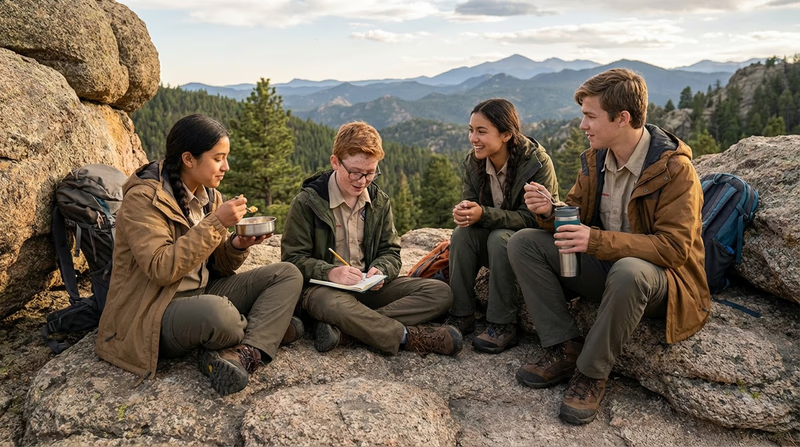
After each meal, have those you served evaluate the meal on presentation and taste, then evaluate your own meal. Discuss what you learned with your counselor, including any adjustments that could have improved or enhanced your meals. Tell how planning and preparation help ensure successful trail hiking or backpacking meals.
By now, you have evaluated meals at home and at camp. Trail meal evaluation adds one more dimension: you are also evaluating how well your food performed as trail food — not just whether it tasted good.
Trail-Specific Evaluation Questions
After each trail meal, ask your group and yourself:
Taste and Presentation:
- Did the food taste good after a long hike?
- Were the portions satisfying — or were people still hungry?
- Was the food visually appealing, or did it look like a bag of mush?
Trail Performance:
- Was the food easy to prepare on the trail?
- Did the meal rehydrate fully, or was it still crunchy or dry in spots?
- Was the weight reasonable for the number of calories it provided?
- Did the packaging hold up in your pack (no leaks, no crushed items)?
- How much waste did the meal generate?
Common Trail Cooking Lessons
- “The food did not rehydrate completely.” Next time, use more water, hotter water, or let it sit longer. Insulate the pot or bag to keep the water hot.
- “We were still hungry after dinner.” Trail appetites are bigger than home appetites. Increase portions by 25–50% for your next trip.
- “The trail mix was boring by the afternoon.” Vary your snack flavors. Alternate between salty, sweet, and savory options throughout the day.
- “Cleanup was difficult without much water.” Minimize dishes by eating from the pot or bag. Use a small amount of water and a scraper to clean, then do a full wash when you reach a water source.
Planning and Preparation on the Trail
When you discuss this with your counselor, emphasize how planning was even more critical for trail cooking than for home or camp cooking:
- Repackaging meant less weight and less trash on the trail.
- Pre-mixing meals made cooking fast and simple with limited equipment.
- Knowing your water sources ensured you had enough water for cooking and cleanup.
- Fuel planning prevented running out of stove fuel before your last hot meal.
- Weight calculations helped distribute the load fairly across your group.
The takeaway: on the trail, there is no grocery store, no running water, and no backup plan. Everything depends on the preparation you did before you left home.