Req 7 — Careers & Hobbies
This is a choose one requirement. Read both options below, pick the one that interests you most, and complete it. Both paths ask you to research, reflect, and discuss your findings with your counselor.
Option A — Cooking Careers
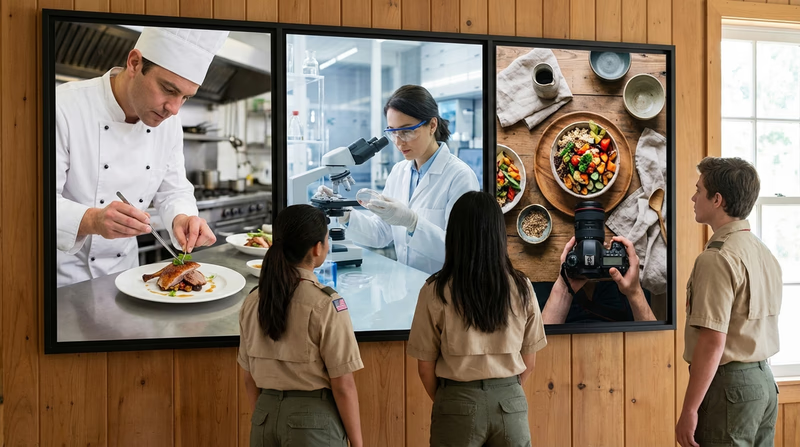
The culinary world offers a wide range of careers — far beyond what most people think of when they hear “cooking job.” Here are several paths to consider (you need to identify three and research one in depth):
Executive Chef / Head Chef The leader of a restaurant kitchen. An executive chef creates menus, manages staff, orders ingredients, controls costs, and ensures every plate meets their standards. Most executive chefs have years of experience and formal culinary training.
Pastry Chef / Baker Specializes in breads, desserts, pastries, and confections. Pastry work demands precision and artistry. Pastry chefs work in restaurants, bakeries, hotels, and specialty shops.
Food Scientist / Food Technologist Combines cooking knowledge with science. Food scientists develop new products, improve food safety, study nutrition, and work for food manufacturers, government agencies, or research institutions. This path typically requires a college degree in food science.
Registered Dietitian / Nutritionist Uses nutrition knowledge to help people eat healthier. Dietitians work in hospitals, schools, sports teams, and private practice. This career requires a bachelor’s degree and a supervised internship.
Personal / Private Chef Cooks for individuals or families, often preparing customized meals based on dietary needs and preferences. Personal chefs may work for one client or rotate among several.
Culinary Instructor / Teacher Teaches cooking skills in culinary schools, community colleges, or community programs. Many instructors have professional kitchen experience combined with a passion for education.
Food Writer / Critic / Content Creator Reviews restaurants, develops recipes, writes cookbooks, or creates food content for media outlets and social platforms. This path combines cooking knowledge with strong communication skills.
What to research for your chosen career:
- Education and training required (culinary school, college degree, apprenticeship?)
- Certifications (ServSafe, ACF certification?)
- Typical starting salary and salary range for experienced professionals
- Job outlook — is the field growing or shrinking?
- Advancement path — where can you go from the entry-level position?
- Expenses to get started (tuition, equipment, licensing fees)
Option B — Cooking as a Hobby or Healthy Lifestyle
Cooking is one of the best hobbies you can have — it is creative, practical, social, and directly improves your health. Here are ways to turn your merit badge skills into a lifelong pursuit:
Home Cooking for Health Using your nutrition knowledge to cook balanced, whole-food meals at home is one of the most impactful health habits you can develop. Research shows that people who cook at home eat better and spend less on food.
Baking and Bread Making Many home cooks discover a passion for baking. Sourdough bread, from-scratch pastries, and cake decorating are popular hobbies with active online communities.
Grilling and Barbecue BBQ is a hobby with a competitive side — from backyard cookouts to regional BBQ competitions. Many communities have BBQ clubs and events where you can learn from experienced pitmasters.
International and Cultural Cooking Exploring the cuisines of different cultures through cooking is a way to travel without leaving your kitchen. Each cuisine teaches different techniques, ingredients, and flavor profiles.
Outdoor and Camp Cooking The skills from this merit badge translate directly to a lifetime of outdoor cooking adventures. Dutch oven cooking, campfire cuisine, and ultralight trail cooking each have dedicated communities and resources.
Meal Prep and Budget Cooking Learning to plan, prep, and cook a week’s worth of meals in advance is a practical hobby that saves time and money. It is especially valuable for college students and young adults.
What to research for your chosen hobby:
- What additional skills or training would help you improve?
- What equipment or tools would you invest in?
- Are there local clubs, classes, or communities you could join?
- What are your short-term goals (next 6 months) and long-term goals (next 5 years)?
- What organizations could support your growth?