Req 1a — Cycling Hazards
Before you clip in and start pedaling, every smart cyclist needs to understand the hazards that come with riding — and how to deal with them. The good news? Most cycling accidents are preventable. By thinking ahead and developing safe habits, you can enjoy thousands of miles of riding with confidence.
The Four Principles of Safe Cycling
The requirement mentions four key ideas: ride predictably, be conspicuous, think ahead, and ride ready. These four principles are the foundation of everything else you will learn about cycling safety.
The Four Principles
Your cycling safety framework
- Ride predictably: Travel in a straight line, obey traffic signals, use hand signals, and avoid sudden swerves. When drivers and other cyclists can predict what you will do next, everyone stays safer.
- Be conspicuous: Make yourself visible. Wear bright colors during the day and reflective gear at dusk or night. Use front and rear lights. Ride where drivers expect to see you — not hidden behind parked cars.
- Think ahead: Scan the road 100–200 feet in front of you. Look for potholes, debris, turning cars, opening doors, and pedestrians. The earlier you spot a hazard, the more time you have to react.
- Ride ready: Keep your hands near the brakes, stay balanced and relaxed, and be prepared to stop or swerve at any moment. A ready rider can react in a fraction of a second.

Common Cycling Hazards
Understanding what can go wrong is the first step to making sure it doesn’t. Here are the hazards you are most likely to encounter.
Traffic and Motor Vehicles
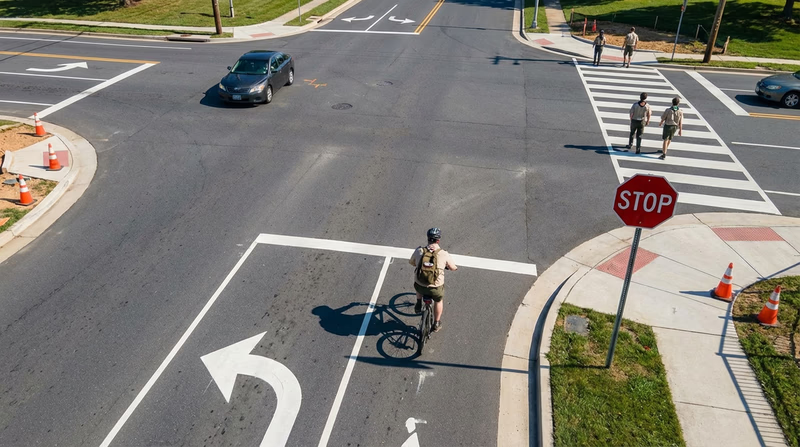
The biggest risk for road cyclists is interaction with motor vehicles. Intersections are especially dangerous — most car-bike collisions happen when a vehicle is turning or when a cyclist runs a stop sign or red light.
Road Surface Hazards
Potholes, gravel patches, wet leaves, railroad tracks, metal grates, painted road markings, and storm drains can all cause you to lose traction or crash. Scan the road surface constantly and give yourself room to maneuver around obstacles.
The Door Zone
Parked cars are a hidden danger. A driver or passenger can open a door directly into your path with almost no warning. This is called “getting doored,” and it can cause serious injuries.
Weather Conditions
Rain makes roads slippery, reduces visibility, and increases stopping distance. Wind can push you into traffic or off course. Extreme heat leads to dehydration and heat exhaustion. Cold weather numbs your fingers and slows your reaction time.
Mechanical Failures
A flat tire, broken chain, or failed brakes at the wrong moment can turn a routine ride into a dangerous situation. Regular maintenance is the best prevention (you will learn all about this in Requirement 4).
Dogs and Animals
Dogs may chase cyclists, and wildlife like deer or squirrels can dart into your path unexpectedly. If a dog is chasing you, the safest approach is usually to slow down, put the bike between you and the dog, and use a firm voice to command “No!” or “Stay!”
Anticipate, Prevent, Mitigate, Respond
Your counselor wants you to think about hazards using four steps. Here is how they work together:
| Step | What It Means | Cycling Example |
|---|---|---|
| Anticipate | See the hazard before it happens | Scanning the road and spotting a car waiting to turn left at an intersection |
| Prevent | Take action so it doesn’t happen | Slowing down and making eye contact with the driver before entering the intersection |
| Mitigate | Reduce the severity if it does happen | Wearing a helmet and gloves so a fall causes scrapes instead of serious injury |
| Respond | Handle the situation after it occurs | Pulling off the road to treat a wound and calling for help if needed |