Req 1b — First Aid for Cyclists
Cycling takes you through a wide variety of environments — city streets, country roads, forest trails, and everything in between. Knowing how to handle injuries and illnesses on the ride is just as important as knowing how to ride the bike itself. Let’s walk through the first-aid skills your counselor will want to see.
Cuts and Scratches
Cuts and scratches are the most common cycling injuries. A fall on pavement or gravel can leave you with “road rash” — a painful scrape across the skin.
Treating Cuts and Scratches
Step-by-step first aid
- Stop the bleeding by applying gentle, direct pressure with a clean cloth or gauze.
- Clean the wound thoroughly with clean water. Remove dirt, gravel, or debris carefully.
- Apply antibiotic ointment to help prevent infection.
- Cover with a sterile bandage or adhesive dressing.
- Monitor for signs of infection over the next few days: increasing redness, swelling, warmth, or pus.
Concussions
A concussion is a brain injury caused by a blow to the head. In cycling, this usually happens in a crash when your head hits the ground, a vehicle, or an obstacle — even if you are wearing a helmet.
Signs to watch for:
- Confusion or disorientation (“Where am I?”)
- Headache that gets worse
- Nausea or vomiting
- Slurred speech or difficulty concentrating
- Loss of consciousness (even briefly)
Blisters
Blisters on the hands (from gripping handlebars) and feet (from pedaling in poorly fitting shoes) are common on long rides. They form when friction causes the outer layer of skin to separate and fill with fluid.
Sunburn
You can get sunburned on a bike faster than you might think. Cyclists are exposed to direct sunlight and reflected UV rays from pavement for hours at a time. The wind on your face can mask the burning sensation until the damage is done.
Heat-Related Illness
Cycling in hot weather puts you at risk for heat exhaustion and heatstroke — and the difference between the two matters.
Heat exhaustion happens when your body overheats but can still cool itself. Symptoms include heavy sweating, weakness, cool and clammy skin, nausea, and a fast pulse.
Heatstroke is a medical emergency. Your body’s cooling system has failed. Symptoms include hot, dry, or red skin, a body temperature above 103°F, confusion, and possible loss of consciousness.
Heat Illness Response
Know the difference and act fast
- Heat exhaustion: Move the person to shade, loosen clothing, apply cool wet cloths, and give sips of water. Rest until symptoms pass completely.
- Heatstroke: Call 911 immediately. Move the person to shade, cool them rapidly with water or wet cloths, and fan them. Do not give fluids if they are confused or unconscious.
Hypothermia and Frostbite
Cold-weather cycling — especially at high speeds on descents — can rapidly lower your body temperature. Wind chill makes the air feel much colder than the actual temperature.
Hypothermia occurs when your core body temperature drops below 95°F. Watch for uncontrollable shivering, slurred speech, clumsiness, and confusion.
Frostbite affects exposed extremities — fingers, toes, ears, and nose. Skin turns pale or waxy and feels numb or hard.
Dehydration
When you ride, you sweat — and you lose more water than you realize, especially on hot or windy days. Dehydration sneaks up on you because by the time you feel thirsty, you are already behind on fluids.
Insect Stings, Tick Bites, and Snakebite
Cyclists — especially trail riders — pass through areas where insects, ticks, and snakes live.
- Insect stings: Remove the stinger by scraping it off (don’t squeeze it). Clean the area, apply ice, and watch for signs of allergic reaction (swelling of the face or throat, difficulty breathing). A severe reaction requires an EpiPen and immediate 911 call.
- Tick bites: Use fine-tipped tweezers to grasp the tick as close to the skin as possible and pull straight out with steady pressure. Clean the area and save the tick in a sealed bag for identification. Watch for a bullseye rash or flu-like symptoms in the following weeks.
- Snakebite: Keep the person calm and still. Do not cut the bite, try to suck out venom, or apply a tourniquet. Keep the bitten area below heart level and get to a hospital as quickly as possible.
Poisonous Plants and Animals
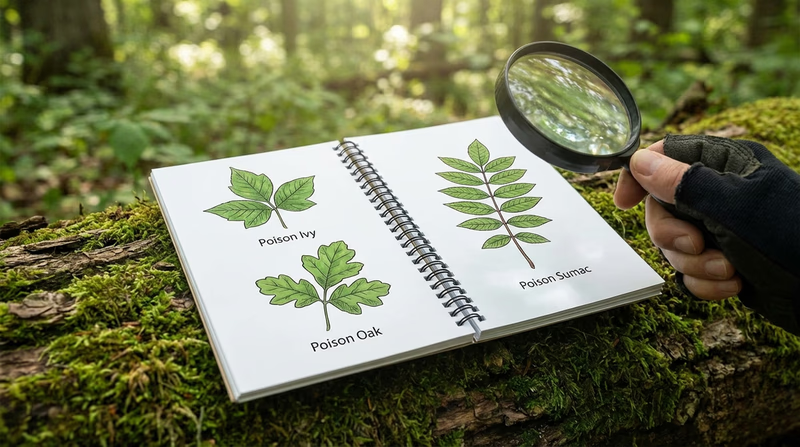
Your counselor wants you to know why identifying local hazards matters. Trail cyclists ride through areas with poison ivy, poison oak, and poison sumac — plants that cause painful, itchy rashes on contact. Mountain bikers in some regions may encounter venomous snakes or spiders.
Your Cycling First-Aid Kit
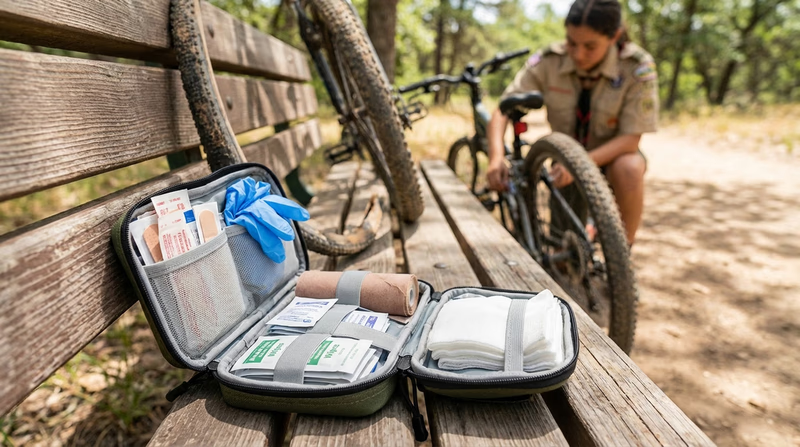
Every cyclist should carry a compact first-aid kit. You can tuck one into a saddle bag or jersey pocket.
Cycling First-Aid Kit
Lightweight essentials for every ride
- Adhesive bandages (assorted sizes): For small cuts and scrapes.
- Gauze pads and adhesive tape: For larger wounds and road rash.
- Antiseptic wipes: For cleaning wounds in the field.
- Antibiotic ointment packets: To prevent infection.
- Moleskin or blister bandages: For hotspots on hands and feet.
- Nitrile gloves: To protect yourself when treating another rider.
- Tweezers: For splinters, thorns, and tick removal.
- Emergency information card: Your name, emergency contacts, allergies, and medical conditions.