Req 3 — Clothing, Gear & Helmets
The right gear can be the difference between a great ride and a miserable one — or between a minor fall and a serious injury. You don’t need to spend a fortune, but you do need to be smart about what you wear and carry.
The Helmet: Your Most Important Piece of Gear
A helmet is non-negotiable. It is the single most effective piece of safety equipment you can wear on a bike. Scouting America requires all Scouts to wear a properly fitted helmet during any cycling activity — no exceptions.
How a Helmet Protects You
A cycling helmet has two layers: a hard outer shell that spreads the force of an impact across a wide area, and a foam inner liner (usually expanded polystyrene, or EPS) that crushes on impact to absorb energy before it reaches your skull. Together, they reduce the risk of serious head injury by up to 70%.
Fitting Your Helmet
A helmet only works if it fits correctly. An improperly fitted helmet can shift on impact and leave parts of your head unprotected.
Helmet Fit Check
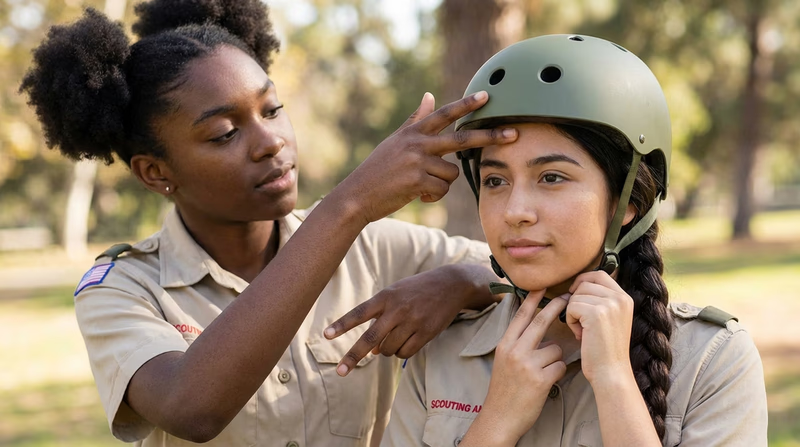
The 2-V-1 method
- 2 fingers: Place two fingers above your eyebrow. The front edge of the helmet should sit right at your fingers — not tilted back on your forehead.
- V shape: The straps should form a “V” shape just below each ear. Adjust the side straps until the V sits snugly under your earlobes.
- 1 finger: Buckle the chin strap and try to fit one finger between the strap and your chin. It should be snug — tight enough that the helmet doesn’t rock when you shake your head, but not so tight that it’s uncomfortable.
Cycling Clothing
You don’t need a professional cycling kit to ride safely, but wearing the right fabrics and the right fit makes a big difference in comfort and safety.
Fabrics
Fabric Guide
What to wear and what to avoid
- Moisture-wicking synthetics (polyester, nylon): Pull sweat away from your skin so it can evaporate. Your best choice for cycling.
- Merino wool: Naturally wicks moisture, resists odor, and regulates temperature. Great for cool-weather riding.
- Cotton: Absorbs sweat and holds it against your skin. Avoid cotton for cycling — it gets cold and heavy when wet and takes forever to dry.
Fit
Loose, baggy clothing can catch on the bike or flap in the wind, creating drag and distraction. Cycling-specific clothing is designed to fit close to the body without restricting movement. If you prefer a more relaxed fit, avoid anything that could snag on the chain, pedals, or handlebars.
Visibility
Bright colors (yellow, orange, lime green) make you more visible to drivers during the day. At dawn, dusk, and night, reflective accents on clothing, shoes, and your helmet are essential. A reflective vest is a cheap, effective way to make yourself stand out.
Essential Cycling Gear
Beyond clothing, there are a few things every cyclist should carry on every ride.
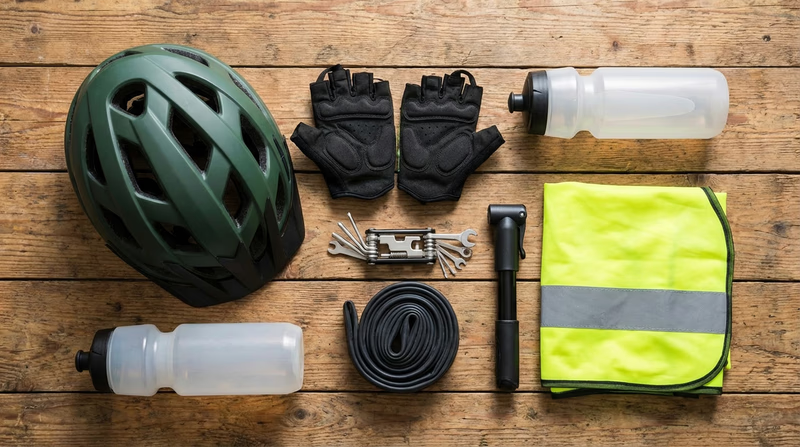
Ride-Ready Gear
What to carry every time
- Helmet: Properly fitted and certified (look for CPSC sticker inside).
- Water bottle: Mounted on the frame or in a backpack hydration system. Stay hydrated.
- Spare tube, tire levers, and a mini pump or CO2 inflator: A flat tire is the most common mechanical problem, and you need to be able to fix it on the road.
- Multi-tool: A compact bike multi-tool with hex wrenches, a screwdriver, and a chain breaker covers most trailside repairs.
- ID and emergency contact info: Carry a card with your name, phone number, allergies, and an emergency contact.
- Phone: For emergencies and navigation — but keep it in a pocket or bag, not in your hand while riding.
Night Riding Gear
If you ride at dawn, dusk, or after dark, you need lights — it’s the law in most states.
Night Riding Requirements
Be seen and see the road
- Front light (white): At least 200 lumens for road riding, more for unlit trails. Must be visible from 500 feet.
- Rear light (red): A flashing red light is the most effective way to be seen from behind.
- Reflectors: On pedals, wheels, and the rear of the bike. Many states require them.
- Reflective clothing or accessories: A vest, ankle bands, or reflective tape on your helmet.
Scouting America Bike Safety Guidelines
Scouting America has specific safety guidelines for all cycling activities. Your counselor will expect you to know these.
Key BSA Bike Safety Guidelines
Rules for all Scout cycling activities
- All riders must wear a properly fitted, CPSC-certified bicycle helmet at all times while riding.
- The buddy system is required — never ride alone.
- Riders must obey all traffic laws and ride with the flow of traffic.
- Bicycles must be in good mechanical condition and appropriate for the type of riding.
- Routes should be planned in advance and shared with a responsible adult.
- Night riding requires proper lighting (white front, red rear) and reflective gear.
- Riders should carry water and first-aid supplies.
Weather-Specific Gear
Hot Weather
Stay cool and protected
- Lightweight, vented helmet with good airflow.
- Light-colored, moisture-wicking jersey.
- Sunscreen (SPF 30+) applied to exposed skin.
- Sunglasses with UV protection.
- Extra water — consider a second bottle or a hydration pack.
Cold Weather
Layer up and protect extremities
- Thermal base layer under your jersey.
- Wind-resistant jacket or vest.
- Full-finger gloves with windproof backing.
- Shoe covers or thermal socks to keep toes warm.
- Ear covers or a thermal skullcap under your helmet.
Wet Weather
Stay dry and visible
- Waterproof cycling jacket with sealed seams.
- Fenders on the bike to reduce spray.
- Clear or yellow-tinted glasses to protect eyes from rain and improve visibility.
- Bright colors and extra reflective gear — visibility drops dramatically in rain.