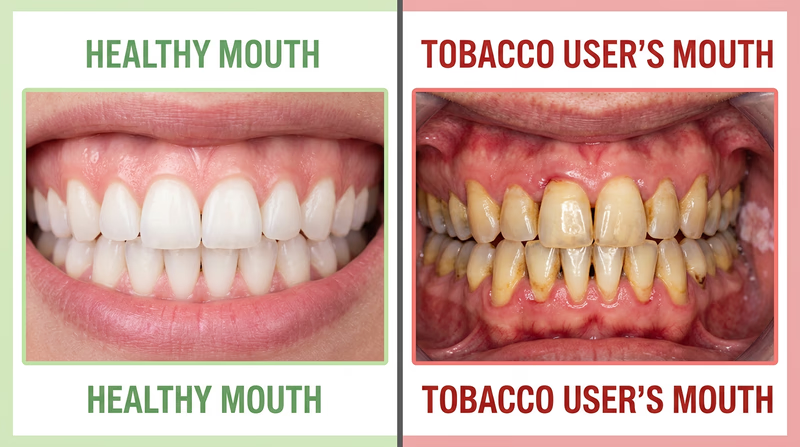
Req 2d — Tobacco & Oral Health
When most people think about tobacco and health, they think about lungs. But your mouth is the first place tobacco touches — and the damage it does there is severe, visible, and sometimes deadly.
How Tobacco Harms Your Mouth
Tobacco affects oral health in multiple ways, whether it is smoked, chewed, vaped, or used in any other form.
Gum Disease
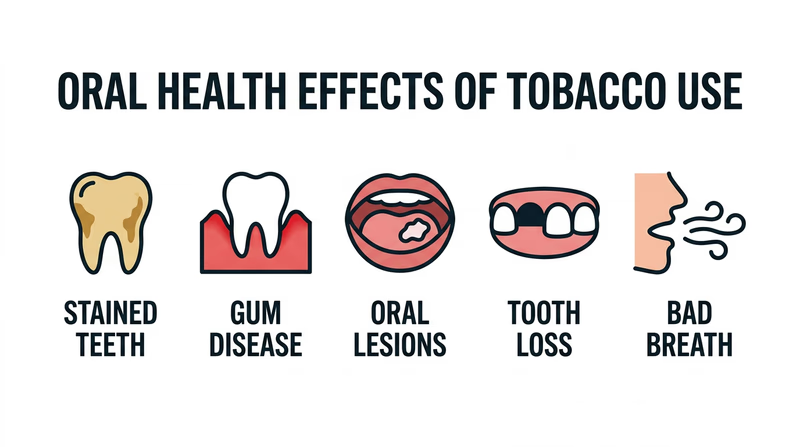
Tobacco use is one of the strongest risk factors for periodontal disease. Nicotine constricts blood vessels in the gum tissue, reducing blood flow. This means:
- Your gums receive fewer immune cells to fight infection
- Healing after dental procedures is significantly slower
- Gum disease often progresses without the usual warning signs — smokers may not notice bleeding gums because the reduced blood flow masks the symptoms
- Smokers are twice as likely to develop gum disease as non-smokers, and treatment is less effective
Remember the stages of gum disease you learned in Req 2a? Tobacco accelerates the progression from gingivitis to periodontitis and makes treatment harder at every stage.
Oral Cancer
This is the most serious oral health consequence of tobacco use. Oral cancer can develop on the lips, tongue, cheeks, floor of the mouth, gums, and throat. About 75% of oral cancers are linked to tobacco use.
Warning signs include:
- A sore or lump in the mouth that does not heal within two weeks
- White or red patches on the gums, tongue, or lining of the mouth
- Difficulty chewing, swallowing, or moving the tongue or jaw
- Numbness in the mouth or lips
- Persistent ear pain
When caught early, oral cancer has a survival rate above 80%. When caught late, that rate drops below 40%.
Tooth Decay and Loss
Tobacco products — especially smokeless tobacco (chewing tobacco and snuff) — contain sugars that feed the same bacteria you learned about in Req 2a. Users who hold a dip of chewing tobacco against their gums are bathing those teeth in sugar for extended periods. The result is accelerated decay at the gum line.
Smokers also lose teeth at higher rates than non-smokers, largely due to the combination of accelerated gum disease and impaired healing.
Other Oral Effects
| Effect | How It Happens |
|---|---|
| Stained teeth | Tar and nicotine discolor enamel yellow to brown over time |
| Bad breath | Tobacco particles and chemicals linger in the mouth; gum disease makes it worse |
| Reduced taste and smell | Tobacco dulls the taste buds and olfactory nerve |
| Delayed healing | Reduced blood flow slows recovery after extractions, surgeries, and even routine cleanings |
| Dry mouth | Tobacco reduces saliva production; less saliva means less natural protection against decay |
| Hairy tongue | A harmless but unpleasant condition where the papillae on the tongue elongate and trap bacteria, giving the tongue a dark, furry appearance |
Vaping and E-Cigarettes
Some people believe vaping is safe for oral health because it does not involve burning tobacco. That is not accurate. Research shows that e-cigarettes:
- Deliver nicotine, which still constricts blood vessels and damages gum tissue
- Expose the mouth to heated chemicals (propylene glycol, vegetable glycerin, and flavorings) that can irritate and dry out oral tissues
- Increase the risk of gum inflammation and cell death in oral tissue
- May contribute to tooth decay because some e-liquid flavors contain sugars and acids
The long-term oral health effects of vaping are still being studied, but early evidence is concerning.
The Bottom Line
Every form of tobacco — cigarettes, cigars, pipes, smokeless tobacco, and e-cigarettes — damages your oral health. The damage is cumulative, meaning it gets worse the longer and more frequently you use tobacco. The best thing you can do for your mouth (and the rest of your body) is to never start.
CDC — Tobacco Use and Oral Health The Centers for Disease Control and Prevention's overview of how tobacco use affects oral health, with current statistics.