Req 5 — Fluoride & the Mouth-Body Connection
This requirement covers two topics that show how deeply dentistry connects to overall health:
- How fluorides help prevent tooth decay and how they reach your teeth
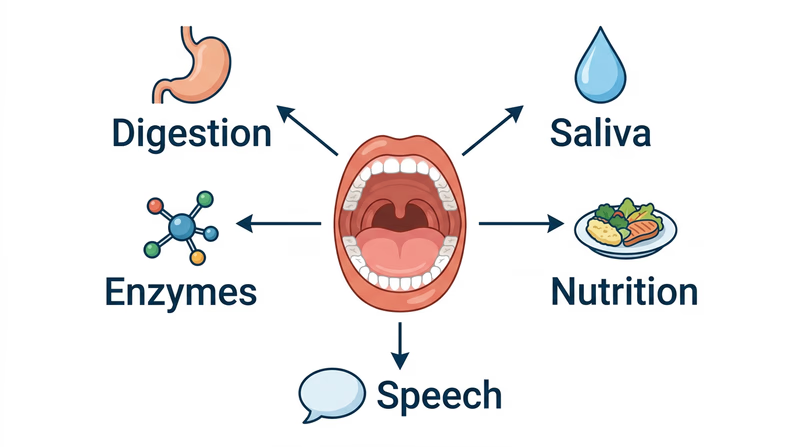
- How the mouth is related to the rest of the body, including chewing, saliva, enzymes, nutrition, and speech
Part a — Fluoride and Tooth Decay Prevention
In Req 2a, you learned that acid dissolves minerals out of enamel (demineralization) and saliva deposits minerals back (remineralization). Fluoride supercharges that repair process and makes teeth more resistant to future acid attacks.
How Fluoride Works
Fluoride protects teeth in three ways:
Strengthens enamel structure. When fluoride is present during remineralization, it gets incorporated into the enamel crystal structure, forming a compound called fluorapatite. Fluorapatite is harder and more acid-resistant than the original enamel mineral (hydroxyapatite). Think of it as upgrading your tooth’s armor.
Promotes remineralization. Fluoride attracts calcium and phosphate ions from saliva to the tooth surface, speeding up the natural repair process. This can actually reverse early-stage cavities before they become holes.
Inhibits bacteria. Fluoride interferes with the enzymes that bacteria use to metabolize sugar and produce acid. The bacteria are still there, but they produce less acid.
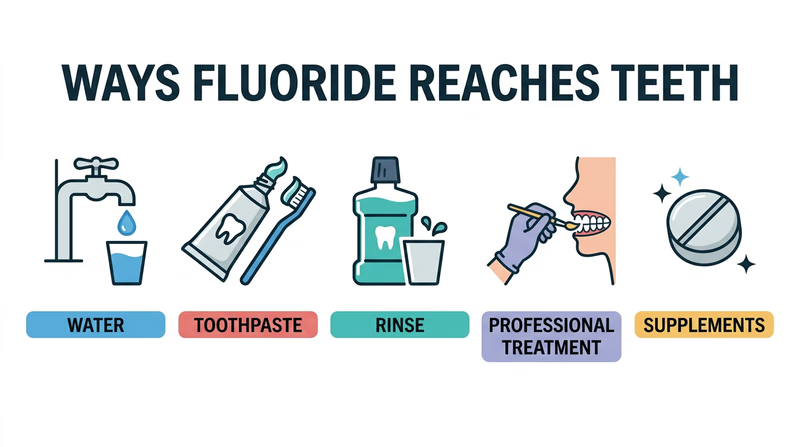
Ways Fluoride Reaches Your Teeth
Fluoride delivery falls into two categories: systemic (ingested, reaches teeth from inside the body) and topical (applied directly to tooth surfaces).
| Method | Type | How It Works |
|---|---|---|
| Community water fluoridation | Systemic + Topical | Fluoride is added to public water supplies at about 0.7 parts per million. When you drink it, fluoride is absorbed systemically and also washes over your teeth topically. |
| Fluoride toothpaste | Topical | The most widely used fluoride delivery method. Brushing twice daily with fluoride toothpaste provides direct contact with tooth surfaces. |
| Fluoride mouth rinse | Topical | Over-the-counter or prescription rinses that bathe teeth in fluoride. Often recommended for people at higher risk of cavities. |
| Professional fluoride treatments | Topical | A dentist or hygienist applies a concentrated fluoride gel, foam, or varnish directly to your teeth during a dental visit. Much stronger than toothpaste. |
| Fluoride supplements | Systemic | Prescription tablets or drops for children in areas without fluoridated water. Taken during the years teeth are developing. |
| Fluoridated dental materials | Topical | Some fillings and sealants slowly release fluoride into the surrounding tooth structure over time. |
Part b — The Mouth-Body Connection
Your mouth is not an isolated system — it is the gateway to the rest of your body. Nearly everything your body needs passes through your mouth first, and the health of your mouth directly affects your overall health.
Chewing — Where Digestion Begins
Digestion does not start in your stomach. It starts the moment you take a bite. Your teeth mechanically break food into smaller pieces — a process called mastication. This is essential because:
- Smaller food particles have more surface area for digestive enzymes to work on
- Proper chewing mixes food with saliva, starting the chemical breakdown process
- Poorly chewed food puts extra strain on the stomach and intestines
- Missing or damaged teeth can lead to nutritional deficiencies because people avoid hard-to-chew foods like raw vegetables, nuts, and meats
Saliva — Your Mouth’s Secret Weapon
Your salivary glands produce about 1 to 1.5 liters of saliva every day. That may sound unimpressive, but saliva is one of the most important fluids in your body:
- Lubrication: Moistens food so it can be chewed and swallowed comfortably
- Digestion: Contains the enzyme amylase, which begins breaking down starches into sugars right in your mouth
- Protection: Washes bacteria and food particles off tooth surfaces, reducing plaque buildup
- Remineralization: Carries calcium, phosphate, and fluoride ions that repair early enamel damage
- Buffering: Neutralizes acids produced by bacteria, restoring the mouth to a safe pH
- Antimicrobial: Contains antibodies (IgA) and enzymes (lysozyme, lactoferrin) that fight harmful bacteria
Enzymes — Chemical Scissors
Enzymes are proteins that speed up chemical reactions. In your mouth, the key enzyme is salivary amylase (also called ptyalin). It breaks the long-chain starch molecules found in bread, rice, potatoes, and pasta into shorter sugar molecules that your body can absorb.
This is why the mouth is considered part of the digestive system — chemical digestion begins here, not in the stomach.
Nutrition — A Two-Way Street
The relationship between your mouth and nutrition works in both directions:
- Mouth → Nutrition: Healthy teeth and gums allow you to chew a wide variety of foods, ensuring a balanced diet. People who have lost teeth or have severe gum disease tend to eat softer, less nutritious foods.
- Nutrition → Mouth: What you eat directly affects your oral health. Calcium and vitamin D strengthen teeth and bones. Vitamin C keeps gums healthy. A diet high in sugar feeds the bacteria that cause decay.
Speech — Precision Engineering
Try saying the word “teeth” without your tongue touching the back of your upper front teeth. You cannot do it clearly. Your teeth, tongue, lips, palate, and jaw all work together to produce the sounds of speech.
- Teeth shape airflow for sounds like “th,” “f,” “v,” “s,” and “sh”
- The tongue presses against the teeth and palate for “t,” “d,” “n,” and “l”
- The palate (roof of the mouth) is essential for “k,” “g,” and “ng”
- The lips shape sounds like “b,” “p,” “m,” and “w”
Missing or misaligned teeth can cause lisping, whistling, and difficulty producing certain sounds. This is one reason orthodontic treatment matters beyond appearance.
The Systemic Connection
Recent research has found links between oral health and conditions elsewhere in the body:
- Heart disease: Bacteria from gum infections can enter the bloodstream and contribute to inflammation in blood vessels
- Diabetes: Gum disease and diabetes worsen each other — uncontrolled blood sugar increases gum infections, and gum infections make blood sugar harder to control
- Respiratory infections: Bacteria from the mouth can be inhaled into the lungs, potentially causing pneumonia
- Pregnancy complications: Severe gum disease has been linked to premature birth and low birth weight