Req 8 — Responsible Tech Disposal
This requirement covers the environmental impact of digital technology. You will choose two of the five options below. Each one explores a different angle of the e-waste problem — from the hazardous chemicals inside your devices to the organizations working to solve the crisis.
Option A: Hazardous Chemicals in Devices
The world generates over 50 million tons of electronic waste (e-waste) each year — and less than 20% of it is properly recycled. The rest ends up in landfills, incinerators, or informal recycling operations in developing countries where workers — sometimes children — disassemble electronics by hand without protective equipment.
Why Proper Disposal Matters
Digital devices contain both valuable materials and dangerous substances. When devices are thrown in the trash and end up in landfills:
- Toxic chemicals leach into groundwater and soil, contaminating drinking water and farmland
- Valuable materials are permanently lost — the gold, copper, and rare earth elements in your phone are non-renewable
- Air pollution occurs when e-waste is burned to recover metals
- Human health suffers in communities near informal e-waste processing sites
Hazardous Chemicals in Digital Devices
| Chemical | Where It Is Found | Health/Environmental Risk |
|---|---|---|
| Lead | Solder on circuit boards, CRT monitors, some batteries | Damages nervous system, kidneys, and brain development in children |
| Mercury | LCD backlights, switches, some batteries | Toxic to the nervous system; accumulates in fish and water supplies |
| Cadmium | Rechargeable batteries (NiCd), semiconductors, some plastics | Causes kidney damage and is classified as a human carcinogen |
| Brominated flame retardants | Plastic casings, circuit boards | Disrupts hormone function; persists in the environment for decades |
| Lithium | Lithium-ion batteries (phones, laptops, tablets) | Flammable and reactive; can cause fires in landfills and recycling facilities |
| Arsenic | Some semiconductor chips (gallium arsenide) | Carcinogenic; contaminates groundwater |
Option B: Certified Recyclers
Not all recycling operations handle e-waste responsibly. Certified recyclers meet strict environmental and safety standards that protect workers, communities, and the environment.
Why Certification Matters
Uncertified recyclers may:
- Ship e-waste to developing countries where it is processed unsafely
- Dump hazardous materials illegally
- Fail to properly wipe personal data from devices before resale
- Use acid baths and open burning to extract metals — releasing toxic fumes
Recognized Certifications
- e-Stewards: The highest standard for e-waste recycling. Certified facilities cannot export hazardous e-waste to developing countries, must protect worker health, and must ensure data destruction.
- R2 (Responsible Recycling): Requires facilities to manage materials safely, track where materials go, and protect data security.
Option C: Research a Recycling Organization
Many organizations collect old electronics for recycling or refurbishment. Search for organizations in your area using terms like “electronics recycling near me” or “e-waste collection [your city].” Some well-known national organizations include:
- Best Buy — accepts most electronics for free recycling at any store location
- Goodwill — partners with Dell Reconnect to refurbish or responsibly recycle donated computers
- Call2Recycle — specializes in battery collection and recycling at thousands of drop-off points
When researching, find out:
- What types of devices do they accept?
- What happens to the devices after collection? (Refurbished and resold? Disassembled for materials? Shredded?)
- Are they certified by e-Stewards or R2?
- Do they wipe data from devices?
Option D: Visit a Recycling Center
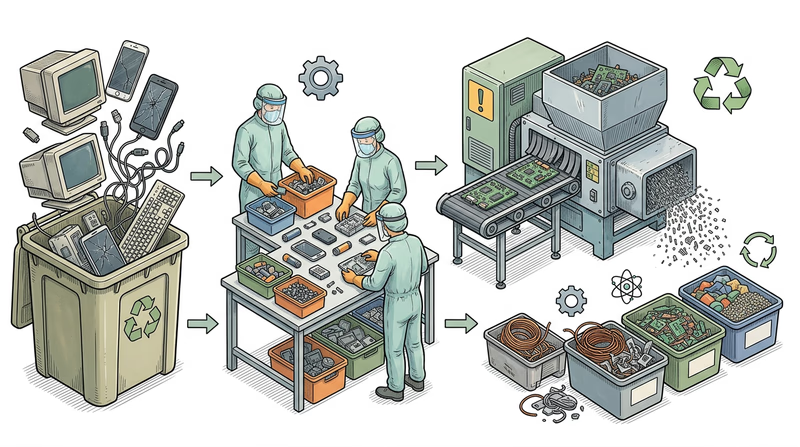
If there is an electronics recycling facility near you, arrange a visit. This is the most hands-on option and gives you a firsthand look at the recycling process.
What to observe and ask about:
- How are devices sorted when they arrive?
- How is personal data erased from devices?
- What materials are recovered (metals, plastics, glass)?
- Where do the recovered materials go?
- What cannot be recycled, and how is it disposed of?
- What safety precautions do workers take when handling hazardous components?
Option E: Battery Recycling
Batteries require special recycling because they contain hazardous chemicals and can catch fire if damaged or improperly handled. Never throw batteries in the regular trash.
Types of Batteries and Recycling Methods
| Battery Type | Common Uses | Recycling Method |
|---|---|---|
| Lithium-ion | Phones, laptops, tablets, power tools | Shredded in controlled environment; lithium, cobalt, and nickel recovered |
| Alkaline (AA, AAA, D) | Remote controls, flashlights, toys | Steel casing recycled; zinc and manganese recovered |
| Lead-acid | Car batteries, UPS systems | 99% recyclable; lead and acid recovered separately |
| Button cells | Watches, hearing aids, key fobs | Mercury and silver recovered |
Connecting to the Scout Oath
The Scout Law tells us to be thrifty and to leave places better than we found them. Responsible technology disposal is a direct extension of these principles. Every device you recycle properly is one less source of groundwater contamination, one less pile of toxic waste in a landfill, and one more batch of valuable materials returned to the supply chain.
You have considered the environmental impact of technology. Your final requirement connects digital technology to your future — through careers and hobbies.