Dog Care Merit Badge — Complete Digital Resource Guide
https://merit-badge.university/merit-badges/dog-care/guide/
Introduction & Overview
Dogs have shared campfires, farm work, hunting trips, and family homes with people for thousands of years. The Dog Care merit badge helps you understand why dogs behave the way they do, how to keep them healthy, and what it means to earn a dog’s trust every single day.
This badge is about much more than liking dogs. It is about observation, responsibility, patience, and safe care. If you can read a dog’s body language, plan its routine, and respond well when something goes wrong, you are learning skills that matter for life.
Then and Now
Then — From Camp Partners to Family Dogs
Long before there were dog parks, grooming salons, or obedience classes, dogs worked beside people. Early dogs helped guard camps, warn about danger, track game, and carry out jobs humans could not do alone. Over time, people bred dogs for specific strengths such as herding livestock, retrieving birds, chasing scent trails, or guarding homes.
That long partnership shaped both species. People learned to depend on dogs, and dogs learned to pay close attention to people. The result is one of the oldest working relationships in human history.
- Early roles: Guarding, hunting, herding, hauling, and companionship
- Main focus: Survival and practical work
- Key trait: Cooperation between humans and canines
Now — Skilled Partners and Beloved Pets
Today, dogs still work hard, but many also serve as beloved family companions. Some guide people who are blind, help with search-and-rescue missions, detect illness or contraband with their noses, comfort hospital patients, or compete in sports like agility and obedience. Others spend their days being great pets who need exercise, structure, training, and loving care.
Modern dog care combines science and compassion. Vaccines, parasite prevention, behavior research, and better nutrition help dogs live longer lives. At the same time, the basics have not changed: dogs still need safety, routine, training, and people who understand their needs.
- Modern roles: Companion, service, therapy, sport, working, and detection dogs
- Main focus: Health, welfare, training, and partnership
- Key trait: Trust built through daily care
Get Ready!
You are about to look at dog care the way a responsible owner, trainer, and helper would. Pay attention to habits, health, and behavior as you go. The better you understand dogs, the better life becomes for both the dog and the people around it.
Kinds of Dog Care
Dog care is not one single job. It is a group of connected responsibilities that all support the dog’s health and behavior.
Daily Care
Daily care means feeding, fresh water, exercise, cleanup, and making sure the dog has safe shelter. These jobs seem simple, but they build the routine that helps a dog feel secure. A dog that knows when it will eat, go outside, rest, and interact with people is easier to train and usually calmer.
Behavior and Training Care
Dogs need teaching, not guessing. House-training, obedience work, and socialization all help a dog live safely with people. Training is also a kind of care because it reduces stress and confusion. A dog that understands what is expected can succeed more often.
Health Care
Health care includes vaccinations, parasite prevention, dental care, grooming, weight checks, and veterinary visits. Good dog owners watch for changes in appetite, energy, breathing, skin, stool, and behavior. Small changes often show up before big problems do.
Emergency Care
Even a well-cared-for dog can get hurt or become sick. Emergency care means knowing how to approach an injured dog safely, when to use first aid, and when to get veterinary help right away. In an emergency, your calm decisions matter as much as your supplies.
Community Care
Responsible dog ownership also includes leashes, licenses, vaccinations, cleanup, and following local laws. Caring for a dog means caring about neighbors, wildlife, and public spaces too. A well-managed dog is safer and more welcome in the community.
Now that you know what dog care includes, start at the beginning of the story: how dogs became human companions and why that history still shapes the dogs we know today.
Req 1a — From Wolves to Companions
The dog sleeping on a couch today has deep roots in the wild. Long before there were collars, leashes, and chew toys, the ancestors of dogs were wolf-like animals living near human camps. Learning how that relationship changed helps explain why dogs are still so good at reading people and living alongside us.
Where Dogs Came From
Scientists generally agree that dogs were domesticated from ancient wolves, but not from the exact wolves we see today. Over many generations, some wolves were better able to tolerate people. They may have stayed near camps to scavenge food scraps. Humans likely noticed that these animals could warn about danger, help with hunting, and eventually become useful partners.
Domestication means a wild animal changes over time through living closely with humans and being selected for certain traits. In dogs, that meant traits like lower fear, more social behavior, and willingness to work with people became more common. Instead of surviving by avoiding humans, early dogs succeeded by cooperating with them.
How Domestication Probably Happened
No one was around to write down the first steps, so researchers piece together clues from bones, DNA, and archaeology. A likely story looks something like this:
- Some wolf populations began hanging around human camps.
- The calmest animals were more successful near people than the most aggressive ones.
- Humans tolerated or encouraged those calmer animals because they were useful.
- Over time, people began choosing which animals to keep, feed, and breed.
- Those animals gradually became more dog-like in body shape, behavior, and social skills.
That process took a very long time. Domestication was not a one-day event. It was a slow partnership built over generations.
Why Early Humans Kept Dogs Around
Early people did not keep dogs just because they were cute. Dogs were useful. They could help track prey, guard camps, warn about strangers or predators, and clean up scraps around living areas. A dog that barked at danger or helped find game gave a real survival advantage.
Dogs also had abilities humans did not. Their sense of smell was far better, their hearing could pick up sounds at greater distances, and they could travel quickly over rough ground. A team made of humans and dogs was stronger than either one alone.
From Working Partners to Many Different Dogs
As human societies changed, dogs changed too. People began breeding dogs for more specific jobs. Some dogs were shaped for speed and sight, some for scent-tracking, some for guarding, some for pulling, and some for companionship. That is why modern dogs vary so much in size, coat, energy level, and behavior.
A border collie, a beagle, and a bulldog all belong to the same species, but each reflects generations of breeding for different goals. Their differences make more sense when you remember that dog history is really a story of humans shaping dogs for different roles.
What Domestication Still Means Today
Even though many dogs no longer hunt or guard camps, their history still shows up in everyday behavior. Dogs often watch human faces, respond to tone of voice, and bond strongly with family members. Many breeds still show instincts linked to their original jobs, such as herding, digging, retrieving, barking, or following scent trails.
That is why good dog care starts with understanding the dog in front of you. A dog’s history is not just in a museum. It shows up in how the dog plays, learns, reacts to strangers, and needs exercise.
The official videos on this page can help you hear the story told in a different way and give you examples you can bring into your discussion.
🎬 Video: A Brief History of Dogs (video) — https://www.youtube.com/watch?v=8_KWmzLObQ4
🎬 Video: The Origin of Dogs (video) — https://www.youtube.com/watch?v=4doKA0VpKgc
A Simple Way to Explain It
If you want a short version for your counselor, try this structure:
- Dogs were domesticated from ancient wolves.
- Domestication happened gradually as calmer animals lived near humans.
- Humans and dogs helped each other survive.
- Over time, people bred dogs for specific jobs and traits.
- That history still affects dog behavior today.
Now that you know where dogs came from, the next step is seeing how people grouped dogs by the kinds of jobs they were bred to do.
Req 1b — The Seven Dog Groups
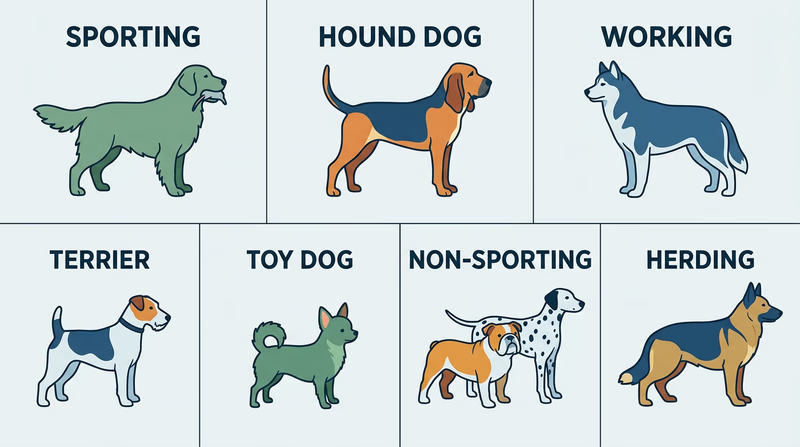
If you have ever wondered why a greyhound moves differently from a beagle, or why a border collie seems ready to work all day, the answer often starts with dog groups. These groups were created to organize breeds by the kinds of jobs they were developed to do. Group names do not tell you everything about an individual dog, but they do give you useful clues about behavior, energy, body shape, and instincts.
Why Dog Groups Matter
A group is like a big family of breeds with shared history and purpose. Dogs within the same group often have similar strengths, even if they look different. Knowing the seven major groups helps you predict what kinds of exercise, training, and attention a dog may need.
That matters for dog care. A dog bred to run, herd, or track scent may become bored or frustrated if it does not get outlets for those instincts. Understanding the group helps you care for the whole dog, not just its appearance.
The Seven Major Dog Groups
Sporting Group
Sporting dogs were bred to help hunters find and retrieve birds. Many are active, eager to learn, and friendly with people. They usually enjoy outdoor activity, games, and training that keeps their minds busy.
Common traits include strong energy, good teamwork with people, and enthusiasm for fetching or carrying. Retrievers, spaniels, and pointers belong here.
Hound Group
Hounds are hunting dogs, but many work more independently than sporting breeds. Some use their noses to follow scent, while others use sharp eyesight and speed to chase game.
Common traits include persistence, focus on a scent or moving target, and sometimes a strong independent streak. Beagles, dachshunds, and greyhounds are examples.
Working Group
Working dogs were bred for serious jobs such as guarding, pulling sleds, rescuing, and protecting livestock or property. They are often strong, confident, and capable.
Common traits include power, alertness, and willingness to take on demanding tasks. Boxers, mastiffs, Great Danes, and Siberian huskies fit in this group.
Terrier Group
Terriers were developed to hunt rats, foxes, and other small animals. Many are bold, energetic, and quick to react. They often like digging, chasing, and staying busy.
Common traits include bravery, persistence, and high energy packed into a smaller body. Many terriers are smart, but they may also decide they have their own plans.
Toy Group
Toy breeds were developed mainly for companionship. They are small, portable, and often strongly attached to their people. Even though they are tiny, many have big personalities.
Common traits include alertness, affection, and sensitivity to handling and weather. Chihuahuas, pugs, and Cavalier King Charles spaniels are common examples.
Non-Sporting Group
This group is a mixed collection of breeds that do not fit neatly into the other categories. Because of that, their sizes, coats, and temperaments vary a lot.
Common traits are harder to summarize, but many non-sporting breeds were kept as companions or multipurpose household dogs. Bulldogs, poodles, and dalmatians are found here.
Herding Group
Herding dogs were bred to control the movement of livestock. They are often highly observant, quick-thinking, and eager for jobs. Many notice movement right away and react fast.
Common traits include intelligence, trainability, stamina, and strong focus. Border collies, Australian shepherds, and German shepherds are examples.
How to Describe a Dog Group
Use these four categories with your counselor- Original job: What work was the group bred to do?
- Common temperament: Are the dogs usually social, independent, watchful, bold, or eager to please?
- Energy level: Do they need lots of activity or more moderate exercise?
- Care impact: How does the group’s history affect training, exercise, or supervision?
A quick video overview can help you hear the groups explained aloud before you talk through them yourself.
🎬 Video: Dog Breed Groups (video) — https://www.youtube.com/watch?v=CITzpWbTSE8
Use Groups as Clues, Not Labels
Groups are helpful, but they are not magic. Individual dogs can vary a lot based on training, breeding, health, age, and experience. A calm young retriever and a wild young retriever may both be sporting dogs, but their daily behavior can be very different.
That is why good dog care combines group knowledge with real observation. Look at the dog in front of you. The group tells you what to watch for, but the dog’s actual behavior tells you what care it needs.
A Smart Way to Prepare
Before meeting with your counselor, pick one or two breeds from each group and say out loud what job they were bred for and what traits often go with that job. That practice will help you move from memorizing names to actually understanding the groups.
In Req 1a, you saw how humans shaped dogs over time. Next, you will bring that idea down to the breed level by looking at seven specific breeds or the story of one breed in depth.
Req 1c — Breeds and Breed Stories
This requirement asks you to move from broad groups to real breeds. That means noticing what makes one breed stand out from another: size, coat, energy, temperament, work history, and special instincts. Your goal is not to memorize a giant list. Your goal is to be able to talk clearly about what makes a breed unique and why that matters in daily care.
Option 1: One Breed From Each Group
A strong way to do this is to choose one breed from each of the seven groups and make a short profile for each one. For every breed, try to cover these points:
- What group it belongs to
- What job it was originally bred for
- Two or three physical traits
- Two or three behavior traits
- What kind of care or exercise it needs most
For example, if you picked a beagle from the hound group, you might mention its strong nose, vocal nature, and tendency to follow scents. If you picked a border collie from the herding group, you would probably talk about intelligence, energy, and the need for a job.
Option 2: The Short History of One Breed
Instead of seven breeds, you can focus on one breed and tell its story. That history should go beyond saying what the breed looks like. A good breed history explains where the breed developed, what job people wanted it to do, what traits were selected, and how the breed is used today.
A short breed history might include:
- Country or region of origin
- Original purpose
- Important physical or behavioral traits
- How the breed changed over time
- Why people still choose that breed now
How to Make Your Examples Strong
Avoid vague words like “nice” or “good family dog” without explanation. Be specific. Instead of saying a Labrador retriever is friendly, explain that the breed was developed to work closely with humans, which helps explain its trainability and eagerness to retrieve. Instead of saying a bulldog is tough-looking, explain how its body shape affects exercise, breathing, and heat tolerance.
Think Like a Dog Caregiver
This requirement is really about matching breed traits to real life. A dog bred for speed may need room to run. A dog with a thick double coat needs more coat care. A dog bred to work closely with people may struggle if left alone for long periods.
That is why breed knowledge matters. It helps you understand why some dogs need more training, more exercise, more grooming, or more supervision around small animals or strangers.
A Sample Comparison Pattern
Here is a useful way to compare breeds when you prepare:
| Question | What to notice |
|---|---|
| What was the breed made to do? | Herd, guard, retrieve, chase, pull, or simply companion? |
| How does it move and work? | Fast, steady, powerful, alert, or scent-focused? |
| What care challenge comes with it? | Coat care, training needs, barking, digging, exercise, or heat sensitivity? |
| What kind of home fits best? | Active family, quiet home, rural setting, apartment, or experienced owner? |
The official video below can give you a quick tour through breed examples from the major groups.
🎬 Video: 7 Groups of Dog Breeds! (video) — https://www.youtube.com/watch?v=RqIpI3QhEFs
Avoid Common Mistakes
One common mistake is assuming every dog of a breed acts exactly the same. Another is choosing a breed based only on looks. Good dog care requires deeper thinking. A fluffy coat, small body, or cool appearance tells you much less than the breed’s behavior patterns, exercise needs, and working history.
In Req 1b, you learned the seven groups. Use that knowledge here as your map. The group helps you understand the big pattern, and the breed gives you the details.
A Good Counselor Conversation
When you speak with your counselor, try to connect traits to care. For example, say not only that a terrier is energetic, but also that this means the dog needs outlets for chasing and activity. Say not only that a toy breed is small, but also that its size affects safe handling, weather protection, and exercise style.
Now that you have looked at dog history, groups, and breeds, it is time to study the dog itself by learning the names of key body parts.
Req 2 — Dog Body Parts
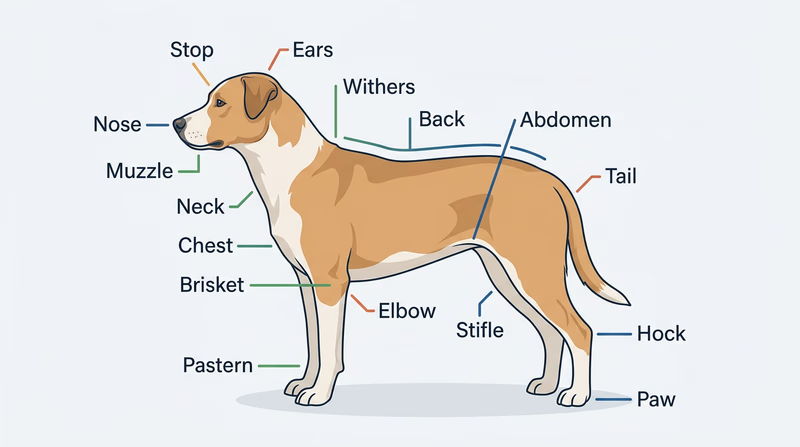
When a veterinarian, groomer, trainer, or dog owner talks about a dog’s body, they need clear words. If you can point to the hock, muzzle, withers, or pastern and use the right term, you can describe health problems, grooming needs, and movement much more accurately. This requirement is really about learning the language of dog care.
Start With the Big Areas
It helps to learn the body in sections rather than as one giant list. Most Scouts find it easiest to study the dog from front to back.
Head
Key parts include the muzzle, nose, stop (the point where the muzzle meets the forehead), skull, ears, and eyes. These parts matter in health and communication. Ear shape affects airflow and cleaning needs. Eye position can affect how the dog sees. Muzzle shape can affect breathing.
Neck and Front
The neck, shoulders, chest, brisket, and withers are all important. The withers are the highest point of the shoulders and are often used to describe a dog’s height. The brisket is the lower chest area between the front legs.
Body
The back, loin, ribs, abdomen, and croup make up the main body. These terms help when describing posture, movement, and body condition. A dog’s waist and rib area also help you judge whether it is at a healthy weight.
Legs and Feet
In the front legs, you may hear terms like elbow, forearm, pastern, and paw. In the rear legs, common terms include the stifle (similar to a knee), hock (similar to an ankle area), thigh, and paw.
Tail End
The tail, tail set, and hindquarters are also common terms. Tail carriage can tell you something about mood, breed type, or movement.
Ten Good Parts to Learn First
If you need a solid starter list for your counselor, these ten parts are excellent choices:
- Nose
- Muzzle
- Ears
- Neck
- Chest
- Withers
- Back
- Tail
- Hock
- Paw
You can absolutely learn more than ten, and that is often helpful.
How to Practice Dog Anatomy
Make the body terms stick- Use a real dog if it is safe and calm: Point gently and say each term out loud.
- Use a sketch if needed: Draw or print a side view and label it.
- Group related parts together: Head terms, body terms, and leg terms are easier to remember in sections.
- Connect each part to care: Ask yourself why that part matters for grooming, health, or movement.
The official anatomy video on this page is a useful refresher before you practice naming parts on your own sketch or dog.
🎬 Video: Basic Dog Anatomy (video) — https://youtu.be/ydzIvqvSKdk?si=uJiETon8SHdKagVg
Why Anatomy Matters in Real Life
Knowing body parts is not just for dog shows or science class. It helps you explain where a dog is sore, where a bandage belongs, where to brush carefully, or where a tick is attached. Later in this guide, especially in the first-aid section, those terms will make your explanations much clearer.
For example, saying “my dog hurt its leg” is vague. Saying “my dog is limping on the right rear leg near the hock” is much more useful. In the same way, knowing where the ribs, abdomen, and chest are helps you talk about breathing problems, injuries, or body condition.
A Smart Counselor Strategy
Be ready to do more than point. If your counselor asks follow-up questions, try adding one quick detail, such as what that body part does or why it matters. That shows you understand the dog as a living animal, not just a diagram.
After learning the parts of the dog, the next step is learning how good training shapes behavior and makes life safer for both dogs and people.
Req 3a — Training Foundations
A dog is not born knowing where to go to the bathroom, how to walk politely on a leash, or how to react calmly when meeting strangers. Dogs learn those things through training and experience. Good training is not about control for the sake of control. It is about helping a dog understand the human world so it can live safely and confidently in it.
House-Training: Teaching Clean Habits
House-training teaches a dog where and when it is appropriate to eliminate. Without it, life inside a home becomes stressful for everyone. A house-trained dog is easier to trust, easier to include in family life, and less likely to be punished for accidents it does not understand.
House-training works best when it is based on routine. Dogs learn faster when they go outside at regular times, such as after sleeping, eating, drinking, or playing. Praise for success is more effective than anger after a mistake.
Accidents usually mean the human needs to adjust the plan. Maybe the dog waited too long, got too excited, or was not supervised closely enough.
Obedience Training: Building Communication
Obedience training teaches a dog how to respond to cues such as sit, stay, come, heel, and down. These behaviors are useful in everyday life, but their deeper value is communication. A dog that understands clear cues can make better choices in exciting or distracting situations.
Obedience also supports safety. A reliable “come” can stop a dog from running into traffic. A solid “stay” can keep a dog calm at a doorway. A dog that walks under control on a leash is less likely to drag someone into danger.
Socialization: Teaching a Dog How the World Works
Socialization means helping a dog become comfortable with normal sights, sounds, people, animals, surfaces, and situations. This is especially important when dogs are young, but social learning continues throughout life.
A well-socialized dog is not automatically friendly with everything. Instead, it is more likely to stay calm and recover quickly when something new happens. That helps prevent fear-based reactions like barking, cowering, lunging, or snapping.
Why These Three Areas Work Together
House-training, obedience, and socialization are connected. A dog that trusts people and feels safe learns faster. A dog that understands cues is easier to guide through new situations. A dog with a stable routine is often calmer overall.
That is why good dog owners do not treat training as a one-time project. It is daily care, just like feeding and exercise.
What Good Training Should Look Like
Use these ideas no matter what skill you are teaching- Short sessions: A few focused minutes work better than a long, frustrating lesson.
- Clear timing: Reward the behavior you want right away so the dog connects action and result.
- Consistency: Use the same cue words and expectations each time.
- Patience: Dogs learn at different speeds depending on age, breed, experience, and temperament.
- Positive practice: Build success instead of waiting to punish mistakes.
The official video below reinforces why training and socialization are so important in the first place.
🎬 Video: How Important is Dog Training and Socialization? (video) — https://www.youtube.com/watch?v=bwB7qNdifP4
Training Helps the Whole Family
Training is not just for the dog. It teaches the people in the home to be clear, fair, and consistent too. If one person allows jumping while another punishes it, the dog gets mixed messages. A trained dog usually comes from a trained family.
In the next page, you will zoom out from specific training skills to the bigger idea behind them: what responsible pet ownership really means day after day.
Req 3b — Responsible Pet Ownership
A dog depends on people for almost everything. That means responsible pet ownership is not just liking dogs, playing with them, or buying them fun things. It means making steady, thoughtful choices that protect the dog’s health, safety, training, and quality of life every day for the dog’s entire life.
The Core Idea
Responsible pet ownership means meeting a dog’s needs even when it is inconvenient. Dogs need food, water, shelter, exercise, training, veterinary care, grooming, identification, and supervision. They also need patience, structure, and attention.
A responsible owner thinks ahead. They do not wait for trouble and then act surprised. They plan for routine care, emergencies, costs, travel, behavior issues, and aging.
What Responsible Ownership Includes
Meeting Basic Needs
A dog needs nutritious food, clean water, regular exercise, and safe shelter. Those basics sound simple, but they must be reliable. Feeding at random times, skipping walks, or leaving a dog in unsafe weather are signs of poor care.
Providing Health Care
Responsible owners schedule vaccinations, parasite prevention, dental care, and veterinary visits. They watch for changes in appetite, stool, breathing, weight, skin, or behavior and take concerns seriously.
Training and Supervision
A dog should not be expected to magically know how to behave. Responsible owners teach basic manners, use leashes and fences appropriately, and do not place the dog in situations it cannot handle safely.
Respecting Other People and Animals
A dog owner is responsible for what the dog does in public and at home. That includes picking up waste, following leash laws, preventing bites, and making sure the dog does not become a danger or nuisance to neighbors, wildlife, or other pets.
Commitment for Life
Dogs are not short-term hobbies. Puppies grow up, energetic adults become seniors, and healthy dogs may eventually need expensive or time-consuming care. Responsible ownership means staying committed through all those stages.
Signs of Responsible Pet Ownership
A responsible owner usually does all of these- Plans ahead for costs: Food, vet care, supplies, training, and emergencies all cost money.
- Uses identification: Tags, licenses, and microchips help dogs get home safely.
- Makes time for the dog: Exercise, play, training, and companionship are not optional extras.
- Follows local rules: Leash laws, vaccination rules, and licensing laws protect the whole community.
- Gets help when needed: Trainers, veterinarians, or behavior professionals can solve problems before they get worse.
The official video here is a helpful overview of what responsible ownership looks like in practice.
🎬 Video: Pet Protector - Responsible Pet Ownership (video) — https://www.youtube.com/watch?v=R_0HgVBhwBM
It Also Means Knowing Your Limits
One of the most responsible things a person can do is admit when a dog is too much for their time, budget, strength, or experience. A poor match can lead to frustration, neglect, unsafe behavior, or surrendering the dog later.
That is why responsible ownership starts before you even bring a dog home. Choosing the right dog is part of caring for the dog well.
In Req 3a, you learned how training supports good behavior. Next, you will use that same idea to think about the big decision of choosing a breed or type of dog that fits a family well.
Req 3c — Choosing the Right Dog
A dog may live with a family for ten to fifteen years or more, so choosing the right dog is a major decision. People sometimes fall in love with a look, a trend, or a funny online video and forget to ask the harder question: does this dog actually fit our home, schedule, budget, and experience? Good matches lead to safer, happier dogs and families. Poor matches often lead to stress, behavior problems, or surrender.
Temperament Comes First
Temperament means a dog’s general behavior style. Is the dog calm or intense? Social or cautious? Independent or eager to stay close to people? Every family should think carefully about temperament before breed appearance.
A family with young children may need a dog that is patient and steady. A very active household may enjoy a dog with high energy and enthusiasm. A quieter home may do better with a dog that is more settled. No breed guarantees a perfect temperament, but breed tendencies and the personality of the individual dog both matter.
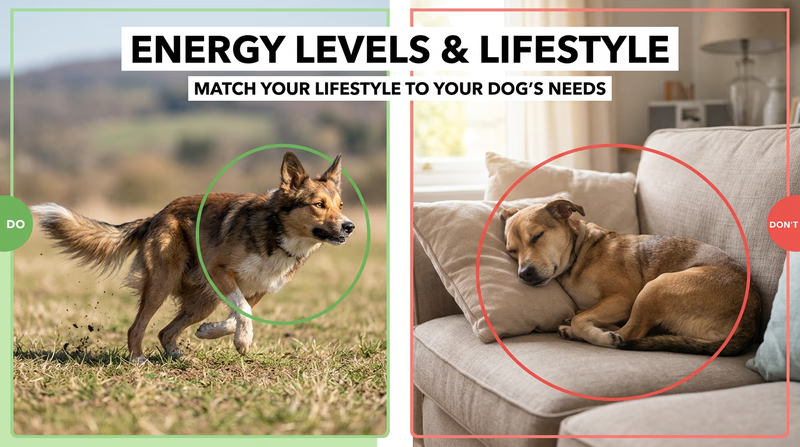
Energy Level and Exercise Needs
One of the biggest causes of family frustration is getting a dog that needs far more activity than expected. A high-drive working or herding breed may need serious daily exercise, training, and mental challenges. Without them, the dog may bark, chew, herd children, dig, or become destructive.
A lower-energy dog may still need walks and play, but the daily commitment will usually be different. Families should be honest about how much activity they can really provide in all seasons, not just on their best days.
Size and Strength
Size affects space, handling, food cost, travel, and safety. A giant dog in a small apartment creates different challenges from a toy breed in the same space. Strength matters too. A powerful dog that pulls hard on leash may be difficult for some family members to control.
Small dogs are not automatically easier. They can be fragile around rough play, harder to house-train in some cases, and more sensitive to weather or unsafe handling.
Grooming and Shedding
Some dogs need regular brushing, clipping, coat trimming, or more frequent baths. Others shed heavily and require regular cleanup even if they do not need fancy grooming. Families should think about coat care honestly. A beautiful coat becomes a problem fast if nobody wants to maintain it.
Trainability and Experience Level
Some dogs are very responsive to beginners. Others are smart but stubborn, sensitive, or intense, which can make them harder for a first-time owner. Families should consider whether they have time for classes, daily practice, and consistent rules.
Questions to Ask Before Choosing a Dog
A family should talk through these together- How much time do we have every day? Exercise, training, play, and cleanup all take time.
- What is our home like? Apartment, fenced yard, rural property, stairs, and noise level all matter.
- Who will do the work? The dog needs daily care even when school, sports, or vacations get busy.
- What can we afford? Food, grooming, training, supplies, and vet bills add up.
- How much dog experience do we have? Some breeds are far more forgiving of beginner mistakes than others.
Both official videos below are useful because they frame the decision around fit, not just popularity.
🎬 Video: How to Pick the Right Dog for You! (video) — https://www.youtube.com/watch?v=l0JWJDFmacs
🎬 Video: Top 10 Dogs for First Time Owners (video) — https://www.youtube.com/watch?v=_JRKX18rTbA
Children, Other Pets, and Lifestyle
Families also need to think about who already lives in the home. A dog that is wonderful with adults may not be ideal around toddlers. A breed with high prey drive may need careful management around cats, rabbits, or other small animals. A family that travels constantly may struggle with a dog that hates boarding or separation.
Health Issues and Breed Traits
Some breeds are more likely to have certain health problems. Flat-faced breeds may struggle more in heat or during hard exercise. Large breeds can have orthopedic issues. Long-backed breeds may have more spinal concerns. This does not mean a family should avoid every breed with known risks, but they should go in with open eyes.
The Match Matters More Than the Trend
In Req 3b, you learned that responsible ownership means planning ahead. This page is that idea in action. Choosing well is part of caring well.
Next you will move from choosing a dog to tracking real daily care over time. That is where responsibility becomes a measurable routine.
Req 4 — Two-Month Care Log
This requirement is where dog care becomes real. It is easy to say you care for a dog. It is harder — and much more useful — to record what that care actually looks like over two months. A log helps you notice patterns, build responsibility, and spot problems before they become serious.
Why a Care Log Matters
A good care log turns memory into evidence. Instead of saying, “I think the dog gets enough exercise,” you can show exactly when the dog was walked, trained, weighed, groomed, and fed. That helps your counselor see your effort, and it helps you learn how much work consistent dog care really takes.
A log also makes health changes easier to notice. A drop in appetite, missed bowel movements, sudden weight gain, or a new scratching problem may stand out only when you see the pattern over time.
What to Track Every Day
Your log should include the basics every day or every week, depending on the item:
- Feeding schedule — when the dog eats
- Type of food — kibble, canned, fresh, prescription, or another approved food
- Amount fed — exact amount if possible
- Exercise periods — walks, play sessions, fetch, training games, or yard time
- Training schedule — what you practiced and for how long
- Weekly weight — same day each week is best
- Grooming and bathing — brushing, nail trims, ear cleaning, baths, coat care
- Veterinary care — visits, medicines, vaccinations, or concerns
- Costs — food, treats, grooming, medicine, supplies, and vet care
- Shelter arrangements — where and how the dog lives and rests safely
Make the Log Easy to Keep
If your system is too complicated, you may stop using it. Pick a format you can actually maintain. Some Scouts prefer a notebook. Others use a chart, spreadsheet, or printed worksheet. The key is consistency.
A strong log entry is brief but specific. Instead of writing “exercise,” write “20-minute leash walk and 10 minutes of fetch.” Instead of “food,” write “1 cup kibble at 7:00 a.m. and 1 cup at 6:00 p.m.”
What Makes a Strong Dog Care Log
Use these habits for the full two months- Record details the same day: Waiting until later leads to guessing.
- Be specific: Times, amounts, and short notes are more useful than vague words.
- Track changes: Note anything unusual in appetite, energy, stool, coat, or behavior.
- Watch patterns: Repeated scratching, weight changes, or skipped meals may matter.
- Include costs honestly: Dog care has real financial responsibilities.
The official video below can help you think about ways to keep pet care organized and consistent.
🎬 Video: How to Keep Track of Pet Care (video) — https://youtu.be/rS4dprT0rg0?si=wZQbDaOU29oFYKDa
Shelter Arrangements Matter Too
Do not forget the final part of the requirement. You also need a brief description of the dog’s housing or shelter. That means explaining where the dog lives, sleeps, and stays safe. Is the dog indoors? Crate-trained? In a fenced yard only with supervision? Does it have shade, warmth, dry bedding, and protection from weather?
This is important because safe housing is part of responsible care, not an extra detail.
Use the Log to Learn, Not Just to Finish
Your log can teach you things. You may notice that your dog behaves better after exercise, that coat care takes longer than expected, or that feeding too late affects bedtime routine. This is one of the best parts of the badge: it turns daily care into observation and problem-solving.
Presenting It to Your Counselor
When you share your log, be ready to point out a few patterns you noticed. Maybe your dog gained weight after treats increased, maybe training improved after shorter sessions, or maybe muddy weather changed grooming needs. Those observations show that you were paying attention, not just filling blanks.
Next you will use those daily routines as the base for teaching specific obedience commands the right way.
Req 5 — Obedience Basics
Teaching obedience is really teaching communication. A dog does not automatically understand English words, hand signals, or family rules. Good obedience training shows the dog what you want, rewards success, and builds the behavior step by step. If training feels like a fight, something in the method probably needs to change.
What “Correct” Training Looks Like
Correct training is clear, consistent, and fair. You set the dog up for success, reward the right behavior quickly, and keep sessions short enough that the dog can stay focused. The goal is not to scare the dog into obeying. The goal is to help the dog understand and repeat a useful behavior.
Strong obedience training usually includes:
- A clear cue word or hand signal
- A reward the dog cares about
- Practice in short sessions
- Gradual increase in distractions
- Repetition over many days, not one long lesson
Equipment You May Need
You do not need a giant pile of gear to teach basic obedience. Most families can start with a few essentials.
Basic Equipment
- Flat collar or harness — for identification and control
- Standard leash — usually 4 to 6 feet for practice walks and control
- Treat pouch or rewards — to reinforce correct behavior
- Clicker — optional, but useful for marking exact behavior timing
- Favorite toy — especially helpful for fetch, get it, or reward-based practice
- Quiet training space — not equipment, but just as important
How to Teach Commands Step by Step
Many commands follow the same pattern:
- Get the dog’s attention.
- Cue the behavior with a word, signal, or lure.
- Reward the correct response immediately.
- Repeat a few times.
- Stop before the dog gets frustrated or tired.
For example, you can teach sit by moving a treat slowly above the dog’s nose so the head goes up and the rear drops down. The moment the dog sits, reward it. With come, you start at close range, use a happy tone, and reward the dog heavily for returning.
Practice the Commands in Real Life
The commands in this requirement all have practical value. Come improves safety. Stay creates control at doors or curbs. Drop it can prevent swallowing something dangerous. Heel makes walks safer and calmer. Fetch and get it can become useful games that also build focus.
Before You Demonstrate Three Commands
Set yourself and your dog up for success- Choose commands your dog already understands fairly well. This is not the time to gamble on brand-new skills.
- Practice in a low-distraction space first. Quiet success beats flashy failure.
- Use rewards your dog values. Tiny treats, praise, or toys can all work.
- Keep your cues consistent. One word should mean one behavior.
- End on a win. Finish with success so the dog stays confident.
Both official videos below show common commands and ways to teach them clearly.
🎬 Video: 10 Most Basic Commands Every Dog Owner Should Know (video) — https://www.youtube.com/watch?v=eHbcb2EQC88
🎬 Video: How to Teach Your Dog the Basics (video) — https://www.youtube.com/watch?v=lUzcA9qa_P8
Training Is a Daily Habit
In Req 4, you tracked daily routines. Obedience fits right into that same pattern. Dogs learn best when training is woven into ordinary life: before meals, during walks, at the door, and in short practice sessions throughout the week.
Next you will shift from behavior training to health care, starting with one of the most important preventive tools of all: vaccinations.
Req 6a — Vaccination Planning
Puppies explore the world with their noses, mouths, and paws, which means they can also run into dangerous diseases early in life. Vaccines protect dogs before they meet those threats. This requirement is not asking you to memorize one perfect national schedule forever. It is asking you to understand that vaccination plans change with age, local law, risk level, and veterinary guidance in your area.
Why Vaccines Matter
Vaccines train the immune system to recognize and fight specific diseases. Some of those diseases spread easily, can kill young dogs, or can threaten people too. Rabies is the clearest example because it is almost always fatal once symptoms appear and it can spread to humans.
Vaccination is preventive care. It is usually easier, safer, and less expensive to prevent disease than to treat it.
Puppy Vaccination Schedule
Puppies usually receive a series of shots rather than a single one-time vaccine. That is because the protection they get from their mother fades over time, and veterinarians want to build the puppy’s own immunity as that happens.
A typical puppy series often begins around 6 to 8 weeks of age and continues every few weeks until about 16 weeks old. Common core vaccines often include protection against diseases such as distemper, parvovirus, and adenovirus. Rabies is usually given later, based on veterinary guidance and local law.
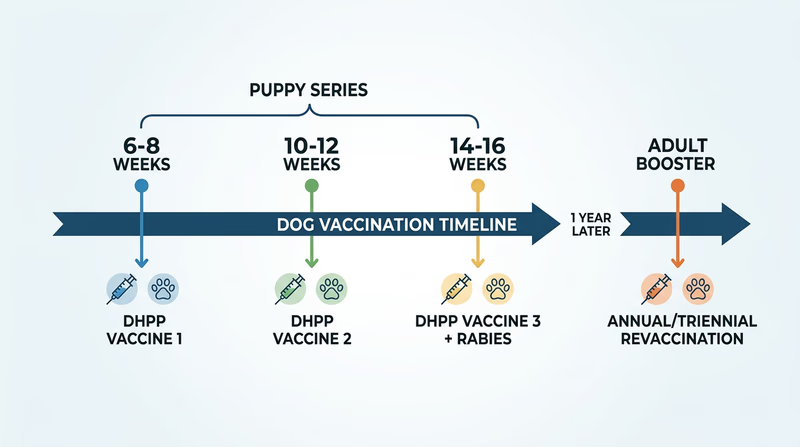
Adult Booster Schedule
Adult dogs often need booster shots after the puppy series. Some vaccines are boosted yearly. Others may be given on a longer schedule depending on the product used, the dog’s age, health, and local regulations. Rabies schedules are especially important because state or local law often determines when boosters are required.
This is why the phrase “in your area” matters. The correct answer should include local veterinary advice, not just a generic internet chart.
Core vs. Lifestyle Vaccines
Veterinarians often think about vaccines in two categories:
- Core vaccines — widely recommended for most dogs because the diseases are severe or widespread
- Lifestyle or risk-based vaccines — recommended depending on where the dog lives, travels, boards, hikes, or socializes
A dog that goes to boarding kennels, dog parks, training classes, or hunting areas may have different vaccine needs than a mostly home-based dog.
What Shapes a Dog's Vaccine Plan
Discuss these with your counselor and veterinarian- Age: Puppies, adults, and seniors may need different timing.
- Local law: Rabies rules vary by state and community.
- Lifestyle: Boarding, travel, dog parks, and outdoor exposure change risk.
- Regional disease patterns: Some infections are more common in certain areas.
- Health status: A veterinarian may adjust timing for individual medical needs.
The official video on this page is a helpful starting point for understanding the purpose and timing of puppy vaccines.
🎬 Video: Puppy Vaccinations 101: What, When, and Why (video) — https://www.youtube.com/watch?v=BnVVSciMymE
A Good Way to Discuss This Requirement
When you talk with your counselor, focus on the pattern rather than pretending there is one universal schedule. You can say that puppies receive a vaccine series, adults receive boosters, rabies timing often follows law, and veterinarians adjust plans based on local disease risks and the dog’s lifestyle.
In the next requirement, you will stay with preventive care but shift from vaccines to another major health topic: stopping parasites before they harm the dog.
Req 6b — Parasite Prevention
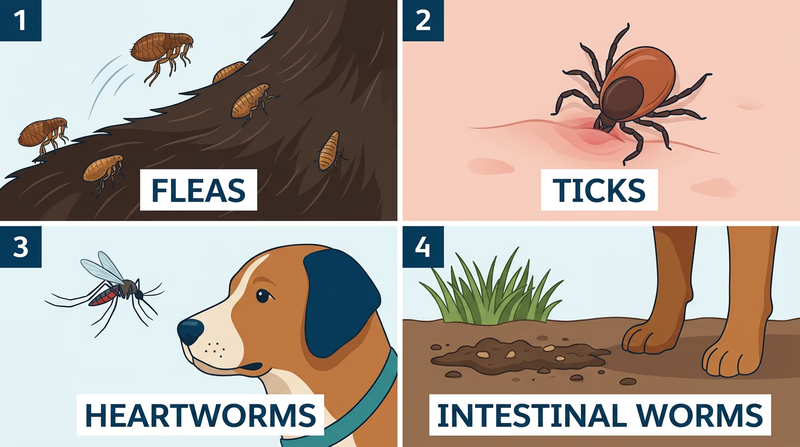
Parasites are one of the easiest dog health problems to underestimate. A flea looks small. A tick may go unnoticed. Worms live out of sight. But these pests can spread disease, steal nutrients, damage organs, and make a dog miserable. Good parasite control is not a one-time fix. It is a year-round plan based on the risks where you live.
Fleas
Fleas are tiny insects that feed on blood. They can cause intense itching, skin irritation, hair loss, and allergic reactions. Heavy infestations can make young or small dogs weak, and fleas can also spread tapeworms.
Prevention usually works better than trying to clean up a full infestation. Monthly preventives, regular cleaning of bedding, vacuuming, and treating all pets in a household when necessary are common control methods.
Ticks
Ticks attach to the skin and feed slowly. They are important because they can carry serious diseases. Tick risk depends a lot on your area, outdoor habits, and season, but in many places ticks are now a year-round problem.
Control methods often include veterinarian-approved preventives, frequent tick checks after hikes or yard time, and keeping grass and brush trimmed around living areas.
Heartworms
Heartworms are spread by mosquitoes. Once inside a dog, they can grow in the heart and blood vessels and cause severe disease. Treatment can be difficult, expensive, and hard on the dog, which is why prevention matters so much.
Heartworm prevention is usually given on a regular schedule, often monthly, but the exact plan should come from a veterinarian. In many regions, even indoor dogs are at some risk because mosquitoes come indoors too.
Intestinal Parasites
Intestinal worms can include roundworms, hookworms, whipworms, or tapeworms. Dogs may pick them up from contaminated soil, infected fleas, prey animals, or contact with feces. Puppies are especially vulnerable.
Control methods often include routine fecal testing, regular deworming or preventive medicine, prompt cleanup of stool, and preventing dogs from scavenging or eating questionable things outside.
A Strong Parasite Prevention Plan
These habits work together- Use veterinarian-approved preventives on schedule. Missed doses weaken the plan.
- Pick up stool promptly. This helps reduce spread of intestinal parasites.
- Check the dog’s skin and coat often. Early flea or tick detection matters.
- Keep the environment clean. Wash bedding and manage yard conditions.
- Ask what is common in your area. Local parasite risk should guide the plan.
The official video below gives a broad introduction to controlling the parasites named in this requirement.
🎬 Video: How to Treat Fleas, Ticks & Worms in Dogs (video) — https://www.youtube.com/watch?v=NdykIsBmmao
Why Prevention Starts Early
Puppies need parasite prevention too, but the specific medicines and timing may differ from those for adults. That is another reason local veterinary guidance matters. Prevention should grow with the dog, just like its vaccine plan does.
In Req 6a, you looked at vaccines as preventive care. Parasite control is the same kind of thinking: stop trouble before it starts.
Next you will move from general prevention to one part of the dog that owners often neglect until it causes pain: the mouth and teeth.
Req 6c — Dental Care
Bad breath is not just annoying. In dogs, it can be a warning sign. Food debris, bacteria, and plaque collect on teeth every day, and if they are not removed, they can harden into tartar and irritate the gums. Over time that can lead to pain, infection, loose teeth, and trouble eating.
Why Dental Care Matters
The mouth is part of the whole body. Gum disease does not stay neatly in the mouth. Ongoing infection and inflammation can affect a dog’s comfort and may contribute to wider health problems. A dog with sore teeth may stop chewing properly, avoid toys, resist handling near the mouth, or seem grumpy for reasons an owner misses.
Dental care helps prevent that cycle. It keeps the mouth cleaner, reduces pain, and can lower the chance of expensive dental treatment later.
Tooth Brushing Is the Main Daily Tool
The best routine dental care for most dogs is regular tooth brushing with dog-safe toothpaste. Brushing removes soft plaque before it hardens. The earlier a dog gets used to brushing, the easier it usually becomes.
Start slowly. Let the dog taste the toothpaste, then get used to having its lips lifted, then introduce a finger brush or toothbrush for short sessions. The goal is calm cooperation, not wrestling.
Other Parts of Dental Care
Brushing is central, but it is not the only piece. Veterinary dental exams, appropriate chew items, and attention to warning signs all matter too. Owners should watch for red gums, bleeding, broken teeth, bad breath, swelling, or changes in chewing behavior.
Some dogs are more prone to dental problems than others, especially small breeds or dogs with crowded teeth. That means owners need to be even more consistent.
Signs a Dog May Need Dental Attention
These clues should not be ignored- Bad breath that is stronger than normal
- Red, swollen, or bleeding gums
- Brown buildup on the teeth
- Dropping food or chewing on one side
- Pawing at the mouth or resisting face handling
The official video below gives a good overview of why dental health is so important for dogs.
🎬 Video: Dental Health Important for Your Pet Dogs (video) — https://www.youtube.com/watch?v=Qm92tNqrNAU
Dental Care Is Preventive Care
In Req 6a, you saw how vaccines prevent bigger problems. Dental care works the same way. Small, regular effort now can prevent pain, infection, and more serious treatment later.
Next you will move from teeth to the outside of the dog by looking at coat care and nail care, both of which affect comfort and health more than many people realize.
Req 6d — Grooming and Nail Care
A dog’s coat and nails can tell you a lot about its health. A shiny, clean coat and comfortable nail length do not happen by accident. Regular grooming removes dirt, reduces tangles, helps you spot skin problems early, and keeps the dog more comfortable in daily life.
Coat Care Does More Than Improve Appearance
Brushing removes loose hair, spreads natural skin oils, and helps prevent mats. Mats are not just messy. They can pull painfully on the skin, trap moisture, hide wounds, and make it harder to notice fleas, ticks, or irritation.
Different coats need different care. A short-coated dog may need only occasional brushing, while a long-haired or curly-coated dog may need frequent brushing and professional trimming. Double-coated breeds may shed heavily and need regular undercoat care.
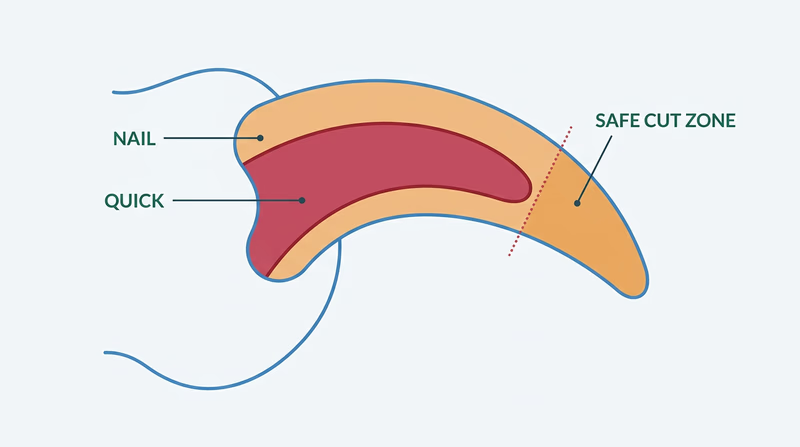
Nail Care Affects Movement and Comfort
Overgrown nails change how a dog stands and walks. That can make movement uncomfortable and put stress on joints and feet. Long nails may also catch on surfaces, split, or break painfully.
Regular trimming keeps the feet working the way they should. Some active dogs wear nails down naturally, but many still need trimming, especially dewclaws, which may not wear down much at all.
Grooming Is Also a Health Check
A good grooming session is a chance to inspect the dog. You may notice lumps, hot spots, ear debris, skin redness, burrs, cuts, or parasites. That makes grooming a useful health habit, not just a cosmetic one.
Benefits of Regular Grooming
Why the routine matters- Cleaner skin and coat: Dirt and loose hair get removed before they build up.
- Less matting and discomfort: Brushing prevents painful tangles.
- Earlier problem detection: You are more likely to notice skin issues or parasites.
- Better movement: Proper nail length helps the dog walk normally.
- More comfort around handling: Routine care teaches the dog that being touched is normal.
The official grooming video below covers the broad importance of maintaining a dog’s coat and general care routine.
🎬 Video: Everything You Need to Know About Dog Grooming (video) — https://www.youtube.com/watch?v=73abRtKHDfI
Good Grooming Fits the Individual Dog
Breed, coat type, age, activity, and season all change grooming needs. A dog that swims often may need more ear and coat attention. A shaggy dog in muddy weather may need far more brushing than the same dog in dry conditions.
After coat and nail care, the next step is looking outward at something else every good owner must consider: the weather and seasonal conditions where the dog lives.
Req 6e — Seasonal Safety
Weather changes dog care in a big way. A routine that feels fine in spring may be unsafe in summer heat, winter cold, or long periods of humidity. This requirement is about thinking locally. The right discussion depends on where you live and what your dog actually experiences through the year.
Hot Weather
Heat is one of the most serious seasonal risks for dogs. Dogs do not sweat over most of their bodies the way humans do, so overheating can happen fast. Dark coats, flat faces, heavy bodies, and thick coats can raise the risk even more.
Hot weather changes exercise plans. Walks may need to happen early or late in the day. Pavement can burn paws. Water and shade become essential, and parked cars become deadly traps.
Cold Weather
Cold affects dogs differently depending on coat type, body size, age, and health. A husky and a Chihuahua do not handle winter the same way. Thin-coated, small, elderly, or sick dogs may need extra protection and shorter outdoor time.
Snow and ice add more concerns. Dogs can slip, get ice packed between paw pads, or pick up de-icing chemicals on their feet and then lick them off.
Humidity and Wet Conditions
Humidity can make heat harder for dogs to handle because cooling becomes less effective. Wet conditions can also affect skin and ears, especially in dogs prone to ear infections or hot spots. Muddy seasons may increase grooming needs and parasite exposure.
Seasonal Planning Is Smart Dog Care
Good dog owners do not wait for a weather emergency before changing routines. They plan ahead. They know which seasons bring mosquitoes, ticks, icy sidewalks, heat waves, or storm risks. They adjust exercise, shelter, grooming, and supervision accordingly.
Seasonal Questions to Ask
Use these with your counselor for your local area- What weather is hardest on dogs where I live? Heat, cold, humidity, storms, or something else?
- How does that change exercise? Time of day, length of walks, and location may need to shift.
- What shelter adjustments are needed? Shade, dry bedding, airflow, or warmth may matter more in certain seasons.
- What pests appear seasonally? Mosquitoes, fleas, and ticks often change with weather.
- Which dogs are at higher risk? Puppies, seniors, flat-faced breeds, and very small dogs may need extra care.
The official resources below help frame both hot-weather and cold-weather safety concerns.
🎬 Video: Hot Weather Tips for Dogs! (video) — https://www.youtube.com/shorts/JsnPl3mvgG4
🎬 Video: Winter Weather - Pet Safety Tips (video) — https://www.youtube.com/watch?v=P7nVESKP_sA
Match Care to Your Own Region
A Scout in Arizona, Florida, Michigan, or Alaska should not give the exact same answer here. That is the point. Show your counselor that you understand your own climate and how it affects dog safety and routine.
Next you will discuss another long-term health and management topic: the considerations and advantages of spaying or neutering.
Req 6f — Spaying and Neutering
Spaying and neutering are important decisions in dog ownership, and good discussions about them are based on facts rather than myths. The right choice may depend on the dog’s sex, age, health, breed, local population concerns, and guidance from a veterinarian. This requirement asks you to understand the main considerations and the possible benefits.
What the Terms Mean
Spaying generally means surgically preventing a female dog from reproducing. Neutering generally means surgically preventing a male dog from reproducing. These procedures are common parts of veterinary care and community pet management.
Possible Advantages
One major advantage is preventing unwanted litters. That matters for both individual families and communities, because shelters and rescue groups often care for more dogs than they can easily place.
There can also be health and management benefits. Depending on the dog and timing, spaying or neutering may reduce some reproductive health risks or certain behavior problems linked to hormones. It may also reduce roaming in some dogs, which can improve safety.
Important Considerations
This is not a topic for one-size-fits-all answers. Timing matters. Breed matters. Health history matters. Some owners may need to discuss orthopedic development, cancer risk, behavior, breeding responsibility, or local rescue requirements with their veterinarian.
That is why the best answer is thoughtful rather than automatic. A responsible owner talks with a veterinarian, understands the reasons behind the decision, and considers the dog’s specific situation.
Points to Discuss About Spaying or Neutering
These make for a strong counselor conversation- Population control: Preventing accidental litters and reducing shelter pressure
- Health effects: Possible benefits or risks depending on the individual dog
- Behavior considerations: Roaming or hormone-related behavior may be affected in some dogs
- Timing: The right age may depend on breed, size, and veterinary advice
- Owner responsibility: Decisions should be informed, not based on myths or pressure alone
The official videos below present different angles on this decision and can help you prepare for a balanced discussion.
🎬 Video: Spaying and Neutering Pets: Myths Debunked & Health Benefits Explained (video) — https://www.youtube.com/watch?v=H9r9J3zlGZI
🎬 Video: To Neuter or Not? (video) — https://youtu.be/SaQRnYbco5M?si=8BgNtVlMOUSq_8Dd
This Is Part of the Bigger Health Picture
In the last several requirements, you have looked at vaccines, parasites, dental care, grooming, and seasonal planning. Spaying and neutering belong in that same big picture of preventive, responsible health care.
Next the guide shifts into first aid. You will start by learning one of the most important emergency lessons of all: even a friendly dog may act very differently when hurt.
Req 7a — Handling an Injured Dog
A hurt dog may be scared, confused, and in pain. Even a gentle family pet can snap or bite when it thinks it needs to protect itself. That is why the first rule of dog first aid is simple: protect yourself first so you can help safely.
Why Precautions Matter
Pain changes behavior. A dog that usually loves being touched may react badly if you grab an injured leg or try to move it too quickly. Fear also matters. Loud voices, crowding, or fast movement can make a dog panic.
Your job is to approach in a calm, careful way and reduce the risk of making things worse.
Safe Handling Basics
Approach slowly and speak softly. Let the dog see or hear you if possible before you touch it. Watch body language closely. Growling, stiff posture, whale eye, tucked tail, or snapping are warning signs that the dog feels threatened.
If the dog can still walk, avoid cornering it. If it must be moved, use slow, steady support and avoid pressure on painful areas.
Think Before You Touch
Before you reach for the dog, ask a few quick questions:
- Is the dog breathing normally?
- Is there traffic, water, fire, or another immediate danger nearby?
- Can I restrain the dog safely?
- Do I need another person to help?
- Does the dog need a muzzle before treatment?
These questions help you slow down and act safely instead of reacting blindly.
Precautions When Handling an Injured Dog
Use these in the order that fits the situation- Stay calm and move slowly. Sudden motion can frighten the dog.
- Watch for bite risk. Pain can make even friendly dogs defensive.
- Approach from the side if possible. Head-on pressure may feel threatening.
- Control the environment. Keep crowds, children, and other animals away.
- Support the body carefully. Avoid twisting or lifting in a way that worsens injuries.
The official video below focuses on safe handling around sick or injured dogs and is a good companion to this requirement.
🎬 Video: How to Be Safe When Handling a Sick or Injured Dog (video) — https://www.youtube.com/watch?v=7JP3IFdClU8
First Aid Starts With Safe Restraint
This page leads directly into the next one for a reason. One common precaution in dog first aid is using an emergency muzzle when needed. If you understand why injured dogs may bite, the next skill will make much more sense.
Req 7b — Emergency Muzzle
An emergency muzzle can protect people from being bitten while first aid is given, but it must be used with care and only in the right situation. A dog in pain may bite even if it is normally gentle. Learning this skill helps you protect everyone involved without adding panic to an already stressful moment.
What an Emergency Muzzle Does
A muzzle limits a dog’s ability to bite. In an emergency, it gives the handler a little more safety while examining, lifting, or bandaging the dog. It is not a punishment. It is a temporary safety tool.
When Not to Use One
You should not muzzle a dog that is vomiting, struggling to breathe, overheating, or has a serious facial injury. In those cases, a muzzle may make the emergency worse. This is why thinking first matters more than acting fast.
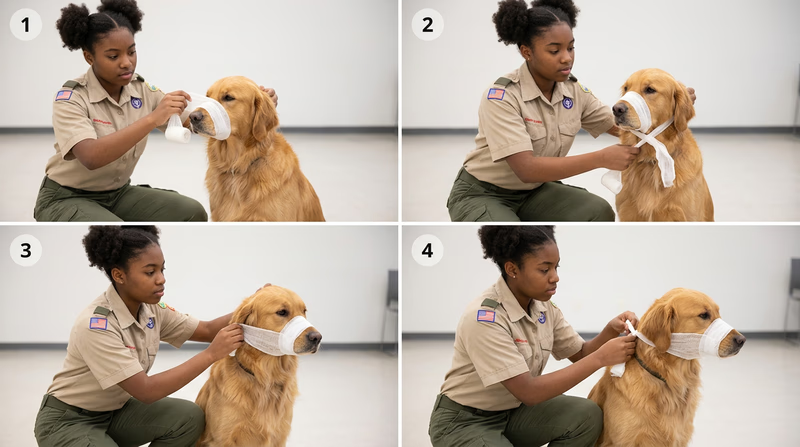
Basic Emergency Muzzle Method
A soft emergency muzzle can be improvised with gauze, a leash, or a long strip of cloth if you have been shown how to do it correctly. The general idea is to form a loop over the muzzle, tighten it enough to prevent biting, secure it under the jaw, and tie it behind the ears.
The fit should be firm enough to control biting but not so tight that it adds unnecessary distress. It should be used only long enough to handle the emergency safely.
Before Using an Emergency Muzzle
Ask these questions first- Is the dog breathing normally? If not, do not muzzle.
- Does the dog have facial trauma? If yes, a muzzle may be unsafe.
- Is the dog overheating or vomiting? If yes, do not muzzle.
- Do I truly need bite protection to help safely? Use the least restraint needed.
- Do I have help? A second calm person can make the process safer.
The official video below is important here because this is a show-and-do skill, not just a discussion topic.
🎬 Video: How Do I Safely Muzzle a Pet in an Emergency? (video) — https://www.youtube.com/watch?v=E7_77X7hAqQ
In Req 7a, you learned why injured dogs may bite. Now that you know one way to manage that risk, you are ready to think about actual wound care and what to do after a dog bite.
Req 7c — Wounds and Dog Bites
A small cut and a deep wound are not the same problem, and a dog bite has its own risks because teeth drive bacteria deep into tissue. This requirement is about knowing the basics of first aid, staying calm, and recognizing when home care is not enough.
Treating Minor Wounds on a Dog
For a minor wound, the main goals are to stop bleeding if possible, clean the area gently, and protect it until the dog can be checked further if needed. You want to avoid making the wound dirtier or more painful.
Basic wound care often includes:
- Restraining the dog safely if needed
- Applying gentle pressure to control bleeding
- Cleaning around the wound carefully
- Using a clean dressing if needed
- Watching for swelling, redness, discharge, or worsening pain
When a Wound Is Serious
Some wounds need veterinary help immediately. Deep punctures, heavy bleeding, large tears, wounds near the eye, chest, or abdomen, and any injury exposing deeper tissue are emergencies. Bite wounds can look small on the surface but be much worse underneath.
First Aid for a Dog Bite to a Person
If a person is bitten by a dog, first aid should start right away. Wash the bite thoroughly with soap and water, control bleeding with clean pressure if needed, and seek adult and medical help promptly. Dog bites can become infected, and reporting rules may apply depending on local law and the situation.
It is also important to gather information about the dog if possible, especially vaccination status and ownership.
When a Dog Bite Needs Medical Attention Fast
Treat these as urgent- The bite is deep or keeps bleeding
- The bite is on the face, hands, or near a joint
- The skin is badly torn or crushed
- The person bitten is very young, elderly, or immunocompromised
- You do not know the dog’s rabies status
The official video below focuses on first aid for dog bites and is especially useful for the human-injury side of this requirement.
🎬 Video: First Aid for Dog Bites (video) — https://www.youtube.com/watch?v=J5AeWWQ3eN0
First Aid Is the First Step, Not the Last Step
This page connects directly to the next one. Once you understand wound care, you also need to know how to protect a wound with a simple dressing or bandage. That skill helps prevent contamination and gives you another useful tool before professional care takes over.
Req 7d — Dressings and Bandages
A dressing covers a wound. A bandage holds that dressing in place and adds protection. This skill matters because dogs do not sit still and protect injuries the way people do. They lick, scratch, shake, and move, which means a poorly placed bandage can slip off or create new problems.
What a Simple Dressing Does
A clean dressing helps protect the wound from dirt and gives gentle coverage while the dog is moved or waits for veterinary care. It does not replace treatment. It buys time and protects the injury.
The Basic Bandaging Idea
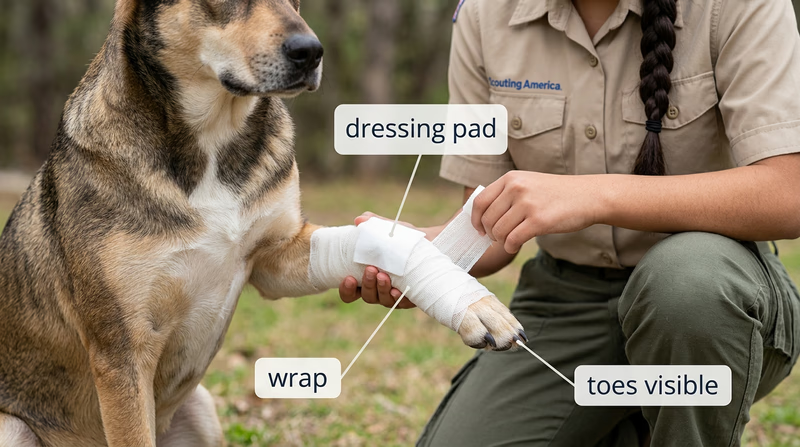
No matter where the bandage goes, the main rules stay the same:
- Start with a clean dressing over the wound
- Wrap snugly enough to stay on
- Do not wrap so tightly that circulation is reduced
- Check often for slipping, swelling, cold toes, or increased discomfort
Foot bandages are common because paws are easily cut outdoors. Body and head bandages can be harder to secure and often need extra care to avoid slipping.
Common Problems With Bandages
The biggest mistake is wrapping too tightly. A bandage that looks neat but cuts off circulation is dangerous. Another common mistake is leaving a bandage on too long without checking it. Moisture, swelling, and shifting can all turn a helpful bandage into a harmful one.
A Good Emergency Bandage Should Be
Use these standards when you demonstrate- Clean: Start with clean materials whenever possible.
- Secure: The dressing should stay in place during normal movement.
- Not too tight: Toes should not become swollen, cold, or discolored.
- Temporary: A bandage is often a bridge to further treatment, not the final answer.
- Monitored: Check the dog often after bandaging.
The official video below demonstrates paw bandaging, which is one of the most practical emergency bandaging skills for dog owners.
🎬 Video: Pet First Aid: How to Bandage Your Pet's Paw in Case of Emergency (video) — https://www.youtube.com/watch?v=s7ZvhxUv8HU
Bandaging Fits Into the Bigger First-Aid Picture
In Req 7c, you learned about wound care. Bandaging is one more tool for protecting those injuries until a veterinarian can take over when needed.
Next you will look at one of the most urgent emergencies in dog first aid: what to do if a dog is hit by a car.
Req 7e — If a Dog Is Hit by a Car
A dog hit by a car may have injuries you can see and injuries you cannot. Broken bones, internal bleeding, shock, head trauma, and fear are all possible. This is a true emergency. The goal is not to fully treat the dog on the roadside. The goal is to keep everyone safe, reduce further harm, and get the dog to veterinary care fast.
Step 1: Make the Scene Safe
Before rushing in, look for traffic and other hazards. A second accident helps no one. If possible, get adult help immediately and warn approaching drivers.
Step 2: Approach Carefully
An injured dog may try to run, bite, or collapse. Use the precautions from Req 7a. Speak calmly, move slowly, and do not assume the dog recognizes you or understands what is happening.
Step 3: Control Movement and Support the Body
If the dog must be moved, support it as evenly as possible. A board, blanket, or other firm surface can help move a dog while reducing twisting. Sudden movement may worsen fractures or internal injuries.
Step 4: Get Veterinary Help Immediately
Even if the dog stands up, it may still have serious internal injuries. A dog hit by a car should be examined by a veterinarian as soon as possible.
Priorities After a Dog Is Hit by a Car
Keep these in order- Protect people from traffic first
- Approach the dog carefully and expect fear or pain reactions
- Move the dog only if needed for safety or transport
- Use gentle support and avoid twisting the body
- Get to a veterinarian immediately
The official video below provides a focused look at what to do in this kind of roadside emergency.
🎬 Video: What to Do to Help a Dog Hit by a Car (video) — https://www.youtube.com/watch?v=Zidt9dhMEZ4
This Is Why Preparation Matters
A dog emergency is easier to handle when you already have a plan, transport method, and supplies ready. That leads directly into the next requirement, which asks what should be in every dog owner’s first-aid kit.
Req 7f — Dog First-Aid Kit
A first-aid kit is most useful before an emergency starts. If you wait until the dog is bleeding, limping, or vomiting to gather supplies, you lose time and add stress. A smart dog first-aid kit is organized, easy to grab, and stocked with items that solve common problems safely.
Core Supplies
Most dog first-aid kits should include supplies to clean wounds, control bleeding, protect injuries, and help with safe handling.
Common essentials include:
- Gauze pads and roll gauze
- Self-adhering wrap or bandage material
- Adhesive tape suitable for bandaging
- Clean towels
- Blunt-tip scissors
- Tweezers or tick-removal tool
- Disposable gloves
- Saline or wound-cleaning solution approved for pets
- Thermometer if you know how to use it correctly for dogs
- Emergency contact numbers, including your veterinarian and nearest emergency clinic
Dog-Specific Helpful Items
A dog owner’s kit should also include items that help with restraint, transport, and pet-specific emergencies.
Useful additions may include:
- A leash or spare slip lead
- Soft muzzle material or emergency muzzle option
- A blanket for lifting or warmth
- Styptic powder for minor nail bleeding
- A copy of vaccination records or microchip information
- A small flashlight
- Medications only if veterinarian-approved for that dog
Keep the Kit Ready, Not Just Complete
A first-aid kit is only helpful if the items are in good condition and easy to find. Replace used items, check expiration dates, and store the kit where adults can reach it quickly. If your family hikes, camps, or travels with the dog, a portable version is a smart idea too.
What Makes a Good Dog First-Aid Kit
Think beyond just owning supplies- Portable: Easy to carry in a car, on a trip, or around the house
- Organized: Items are easy to find under stress
- Pet-specific: Includes dog-safe supplies and contact info
- Maintained: Expired or missing items are replaced promptly
- Known location: Everyone who might help knows where it is stored
Both official videos below give useful examples of what to include in a dog first-aid kit, including outdoor-focused supplies.
🎬 Video: DIY Dog First Aid Kit - Basics and Beyond (video) — https://www.youtube.com/watch?v=Cz_ogJQhWmo
🎬 Video: What to Put in a Dog First Aid Kit for Hiking (video) — https://www.youtube.com/watch?v=7sszmRkdOyM
Supplies Do Not Replace Judgment
A good kit helps, but it does not make someone a veterinarian. Knowing when to stop home care and seek professional treatment is just as important as knowing what to pack.
That is exactly what the next requirement covers.
Req 7g — Limits of Home Treatment
Home treatment can be helpful for minor, clearly understood problems, but it becomes dangerous fast when a dog has a serious illness. One of the biggest mistakes an owner can make is thinking, “I’ll wait and see” when the dog actually needs urgent veterinary care. Serious problems can get worse quietly, and dogs are often good at hiding pain until they are in bad shape.
Why Home Treatment Can Be Risky
The first danger is misdiagnosis. Many serious problems look alike at the start. Vomiting, weakness, limping, collapse, coughing, or loss of appetite can come from many causes, some mild and some life-threatening. Treating based on a guess can waste precious time.
The second danger is using the wrong treatment. Human medicines, leftover prescriptions, internet advice, and home remedies may be ineffective or dangerous. A dose that seems small to a person may be toxic to a dog.
Delay Can Make Everything Worse
Serious illness is often time-sensitive. Internal bleeding, bloat, poisoning, heatstroke, trouble breathing, severe infection, and certain neurologic problems can all get worse by the hour or minute. Waiting at home may turn a treatable problem into an emergency.
Internet Advice Has Limits
Reading about symptoms online can help owners ask better questions, but it cannot replace a hands-on exam, proper history, lab tests, or imaging. Two dogs with similar symptoms may need completely different treatment.
Dangers of Home Treatment for Serious Illness
These are strong points to discuss with your counselor- Misreading the problem: The owner may guess wrong about what is causing the symptoms.
- Using unsafe treatments: Human drugs and random remedies can poison dogs.
- Losing valuable time: Delays can make treatment harder and outcomes worse.
- Masking symptoms: The dog may seem better briefly while the real problem grows.
- Missing emergencies: Breathing trouble, collapse, severe pain, or ongoing vomiting need prompt professional care.
These official articles reinforce the risks of do-it-yourself diagnosis and treatment.
8 Risks of Treating Your Pet (website) An overview of common mistakes owners make when trying to diagnose or treat pets at home without veterinary guidance. Link: 8 Risks of Treating Your Pet (website) — https://www.petmd.com/dog/care/8-risks-treating-your-pet-home Dangers of Dr. Google (website) A veterinarian-written reminder that online symptom searches cannot replace professional diagnosis and treatment. Link: Dangers of Dr. Google (website) — https://www.thedrakecenter.com/services/blog/diagnosing-and-treating-your-own-pet-dangers-dr-googleKnow the Line Between Care and Delay
Earlier first-aid requirements taught you how to respond in the first moments of a problem. This requirement teaches the other half of good judgment: knowing when to stop trying things at home and get expert help.
Next you will look at four major dog diseases and how they spread, what signs they cause, and how prevention works.
Req 7h — Major Dog Diseases
This requirement asks you to think like a prevention-minded owner. Each of these diseases has a different cause and spreads in a different way, but all four can be serious or deadly. If you understand how they spread, you will better understand why vaccines, mosquito control, and safe social contact matter so much.
Rabies
Rabies is caused by a virus that attacks the nervous system. It spreads mainly through bites from infected animals when virus-filled saliva enters tissue. Signs can include behavior changes, aggression, confusion, trouble swallowing, weakness, and paralysis.
Rabies prevention depends mainly on vaccination and avoiding exposure to wild or unknown animals. Because rabies can infect humans, it is also a major public health concern.
🎬 Video: Rabies Information (video) — https://www.youtube.com/watch?v=_tMORbU5c3Y
Parvovirus
Parvovirus is caused by a highly contagious virus, especially dangerous for puppies. It spreads through contact with infected feces, contaminated ground, or contaminated objects. Signs often include severe vomiting, diarrhea, weakness, fever, and dehydration.
Prevention depends heavily on vaccination and careful management of puppy exposure before the vaccine series is complete. Because the virus can survive in the environment, cleanup and caution matter too.
🎬 Video: Parvo Information (video) — https://www.youtube.com/watch?v=7pBKnJQlwSQ
Distemper
Distemper is a viral disease that can affect the respiratory, digestive, and nervous systems. It spreads through droplets and close contact with infected animals or contaminated materials. Signs may include fever, coughing, nasal discharge, vomiting, diarrhea, lethargy, and later neurologic problems.
Vaccination is one of the main prevention tools. Avoiding exposure to sick or unvaccinated animals also matters, especially for puppies.
Heartworms
Heartworms are caused by parasites spread by mosquitoes. Mosquitoes carry immature heartworms from one animal to another. Signs may include coughing, exercise intolerance, fatigue, and more serious heart and lung problems as the disease advances.
Prevention depends on regular heartworm preventive medicine and local mosquito awareness. Treatment exists but is far harder on the dog than prevention.
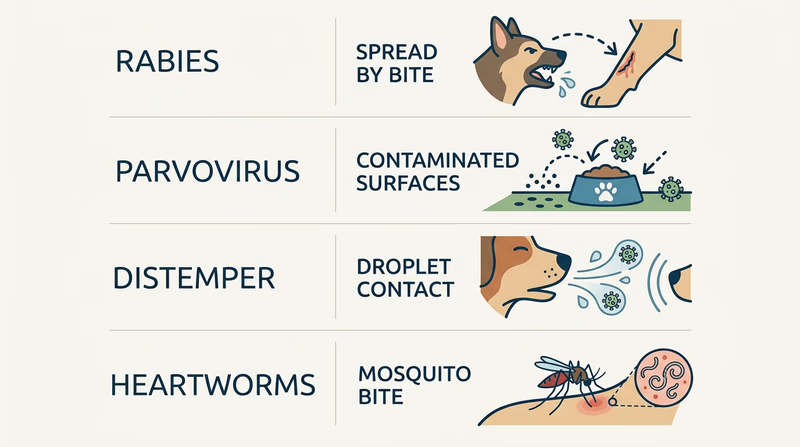
How These Diseases Differ
A useful way to explain them clearly- Rabies: Viral, spread mainly by bites, prevented by vaccination
- Parvovirus: Viral, spread by contaminated feces and surfaces, prevented by vaccination and sanitation
- Distemper: Viral, spread by close contact and droplets, prevented by vaccination
- Heartworms: Parasitic, spread by mosquitoes, prevented by regular preventive medicine
The official AVMA resource below adds useful context about disease risk in social settings where dogs meet other dogs.
Disease Risks for Dogs in Social Settings (website) A veterinarian-reviewed guide to contagious disease risks in places like dog parks, classes, shelters, and boarding facilities. Link: Disease Risks for Dogs in Social Settings (website) — https://www.avma.org/resources-tools/pet-owners/petcare/disease-risks-dogs-social-settingsLook for Patterns in Prevention
Three of these diseases are prevented mainly through vaccination. Heartworms are prevented mainly through regular medication and mosquito control. That pattern should sound familiar from Req 6a and Req 6b: the best dog care often prevents disease before it starts.
Next you will leave the home routine for a moment and learn from real people and real places by visiting a veterinary hospital or animal shelter.
Req 8 — Veterinary Hospital or Shelter Visit
This requirement takes you beyond reading and talking. It puts you in a place where dog care happens for real every day. Whether you visit a veterinary hospital or an animal shelter, you will see how much teamwork, planning, and responsibility go into helping dogs stay healthy and safe.
If You Visit a Veterinary Hospital
A veterinary hospital shows you the medical side of dog care. Pay attention to how the staff keeps animals calm, gathers history, performs exams, and explains treatment. You may notice how organized the building is, how carefully records are handled, and how many different roles support one patient’s care.
You might see exam rooms, treatment areas, kennels, surgical spaces, or diagnostic equipment depending on what the facility allows visitors to observe.
If You Visit an Animal Shelter
A shelter shows another side of dog care: intake, housing, cleaning, behavior evaluation, adoption, and population management. Shelters often care for dogs that are scared, under-socialized, sick, or simply lost. Their work combines animal care with community service.
Look for how the shelter manages sanitation, feeding, enrichment, exercise, and safety. Ask how they match dogs with adopters and what challenges they face.
Good Questions to Ask
A visit becomes much more useful if you ask thoughtful questions. For example:
- What does a normal day look like here?
- What are the most common health or behavior problems you see?
- How do you reduce stress for dogs?
- What skills matter most for the people who work here?
- What should dog owners understand better before getting a dog?
What to Include in Your Report
These details will make your report stronger- Where you went and what type of place it was
- Who you spoke with and what their role was
- What you observed about dog care, safety, and routines
- One or two things that surprised you
- What you learned that will make you a better dog owner or helper
These official videos can help you know what to look for before your visit.
🎬 Video: Small Animal Hospital Virtual Tour (video) — https://www.youtube.com/watch?v=O_R3raXyB8s
🎬 Video: What is an Animal Shelter (video) — https://www.youtube.com/watch?v=_CIC1OXl2u0
What This Requirement Teaches
This page is not just about checking off a visit. It helps you see that dog care is a system. Health care, sheltering, behavior work, sanitation, legal rules, records, and communication all matter.
That idea leads directly to the next requirement. Once you see how communities care for dogs, it makes sense to learn the laws and ordinances that guide dog ownership where you live.
Req 9 — Local Dog Laws
A responsible dog owner needs more than affection and supplies. They also need to know the rules. Local dog laws exist to protect dogs, owners, neighbors, wildlife, and the public. If you do not know your community’s ordinances, it is easy to break them by accident.
Common Topics in Dog Laws
Dog laws vary from place to place, but many communities cover the same basic issues. These often include:
- Licensing requirements
- Rabies vaccination requirements
- Leash laws
- Running-at-large rules
- Noise or nuisance rules
- Dangerous dog procedures
- Waste cleanup requirements
- Limits on numbers of animals or kennel operations
Some places also have rules about tethering, dogs in parks, dog beaches, or reporting bites.
Why These Laws Matter
These laws are not just paperwork. Licensing helps identify lost dogs. Rabies laws protect public health. Leash laws reduce bites, traffic injuries, and fights with other animals. Waste cleanup protects sanitation and neighbor relations.
In other words, laws turn responsible ownership into community safety.
How to Learn Your Local Rules
The best sources are usually your city, county, township, or local animal control office. A veterinarian or shelter may help point you in the right direction, but your counselor will want you to know the actual rules where you live.
That means a Scout in one town may have a different answer from a Scout a few miles away. Focus on your own community’s ordinances, not just a general article online.
What to Find Out in Your Community
Bring these facts to your counselor- Does a dog need a license? If yes, how often is it renewed?
- What rabies proof is required?
- Are dogs required to be leashed in public?
- What happens if a dog bites someone or runs loose?
- Are there rules about barking, cleanup, or dogs in public spaces?
The official video below is state-specific, but it can still help you understand the kinds of legal issues animal control laws often address.
🎬 Video: Michigan's Animal Control Laws (video) — https://www.youtube.com/watch?v=Hr7n_5GCiUk
Laws Are Part of Good Dog Care
This requirement connects strongly to Req 3b, where you learned about responsible ownership. Following the law is one part of being responsible. It protects your dog and helps keep dogs welcome in the community.
Next you will reach the final choose-one requirement, where you can explore either careers involving dogs or hobbies and lifestyles that use dog-care skills.
Req 10 — Careers or Hobbies
This final requirement asks you to choose exactly one path. You can either explore dog-related careers or think about how dog-care skills could become part of a hobby or healthy lifestyle.
Your Options
- Req 10a — Dog-Related Careers: Research three careers that use dog-care knowledge, then take a deeper look at one. You will learn what training, costs, entry steps, and job opportunities look like in the real world.
- Req 10b — Hobbies and Healthy Lifestyles: Explore ways dog-care skills can shape how you spend your time, stay active, and build long-term goals. You will think about enjoyment, commitment, costs, and what organizations can help you grow.
How to Choose
Choosing Your Option
Pick the path that fits what you most want to learn- Choose Req 10a if you are curious about jobs: This option is best if you want to know what adults actually do in dog-related careers and what it takes to enter one.
- Choose Req 10b if you care more about everyday life: This option fits Scouts who want to turn dog skills into exercise, volunteering, training sports, art, outdoor activity, or another personal interest.
- Think about research style: Req 10a leans more on career facts such as education, salary, and advancement. Req 10b leans more on lifestyle planning, goals, and finding the right community.
- Think about what you will gain: Req 10a builds career awareness and helps you compare professions. Req 10b helps you picture how dog care could stay part of your life even if it never becomes your job.
Both choices connect back to the whole badge. The history in Req 1, the ownership decisions in Req 3, the health care in Req 6, and the first-aid skills in Req 7 all show that dog care is not just information. It can grow into service, employment, recreation, or a lifelong interest.
Req 10a — Dog-Related Careers
If you have ever watched a veterinarian, trainer, groomer, shelter worker, or handler and thought, “That would be a cool job,” this requirement shows you how to look deeper. Dog-related work can be rewarding, but it also demands patience, training, responsibility, and a realistic understanding of what daily life in that job is really like.
Start With Three Career Ideas
Begin by identifying three careers that use dog-care knowledge. Try to pick three that are genuinely different rather than three versions of the same job. For example, a veterinarian works in medicine, a trainer works in behavior and communication, and a groomer focuses on coat care, hygiene, and handling. Other possibilities include veterinary technician, animal shelter manager, kennel operator, animal control officer, service-dog trainer, dog walker, breeder, canine physical rehabilitation specialist, or search-and-rescue handler.
A strong list gives you something to compare. Ask yourself:
- What does this person actually do each day?
- Do they work in a clinic, home, shelter, training field, office, or outdoors?
- Do they spend more time with dogs, with people, or both?
- Does the job require science knowledge, handling skill, business skill, or some mix of all three?
Then Research One Career Deeply
After identifying three careers, choose one for deeper research. Your goal is not just to say, “This job sounds fun.” Your goal is to understand the pathway into it.
What to Research About the Career
Career Research Checklist
These are the points your counselor will expect you to understand- Training and education: Does the job require high school courses, college, trade school, apprenticeships, or on-the-job training?
- Certification or licensing: Are there state rules, professional exams, or voluntary certifications that help someone get hired?
- Experience: What beginner experience helps most, such as volunteering at a shelter, shadowing a clinic, or helping in obedience classes?
- Expenses: What costs come with training, tuition, equipment, transportation, licensing, or continuing education?
- Employment outlook: Is the field growing, competitive, seasonal, local, or specialized?
- Starting salary and advancement: What might a beginner earn, and how could the career grow over time?
When you research, pay attention to the difference between a dream and a plan. Plenty of people enjoy dogs. Fewer people know what it costs, what education is required, or what a first job in that field usually looks like.
Compare the Careers Honestly
A career with dogs is not automatically easy. Some jobs involve early mornings, cleaning messes, dealing with worried owners, handling scared animals, or making hard medical and welfare decisions. In Req 8, you saw some of that real-world responsibility during a veterinary hospital or shelter visit. This requirement asks you to connect that reality to possible future work.
Three Common Examples
Here are three strong examples of dog-related careers you might compare.
Veterinarian
Veterinarians diagnose illness, perform exams, prescribe treatment, do surgery, and guide owners in prevention and long-term care. This path usually requires the most formal education and the highest training cost, but it also offers major responsibility and broad opportunities.
🎬 Video: Is Vet School Right for You? (video) — https://youtu.be/Nn3IE61JM00?si=lEr2OMOa_AuiW_FJ
If you research this career, pay close attention to college preparation, veterinary school requirements, debt, competition, and the emotional demands of the work.
Dog Trainer
Dog trainers teach dogs and owners how to communicate better. Some focus on pet manners, while others specialize in service work, behavior cases, agility, scent work, or sport training. Training careers vary widely, which means certification, mentoring, and reputation can matter a lot.
🎬 Video: What Is the Difference Between Dog Training Certification Programs? | Animal Care Jobs (video) — https://www.youtube.com/watch?v=aDYaE4d_H94
A trainer may need strong observation skills, patience, teaching ability, business sense, and continuing education in behavior science.
Groomer
Groomers do more than make dogs look neat. They also notice skin problems, ear issues, nail conditions, coat matting, and signs of discomfort during handling. Grooming combines physical skill, safe restraint, dog knowledge, and customer communication.
🎬 Video: Becoming a Pet Groomer (video) — https://www.youtube.com/watch?v=86eSPiTckRA
This path may involve grooming school, apprenticeships, tool costs, and a workday that is physically demanding.
Careers in Dogs - Skills Needed in Careers With Dogs (website) A practical overview of the personal qualities and work habits that matter across many different dog-related careers. Link: Careers in Dogs - Skills Needed in Careers With Dogs (website) — https://www.akc.org/public-education/resources/dog-related-career-skills/What Makes Your Report Strong
Your counselor will care less about whether you picked the “best” career and more about whether you did serious thinking. A strong discussion includes both facts and reflection.
You might find that a career sounds exciting but not like the right fit for you. That is still useful. Real career research helps you understand both opportunities and trade-offs.
Think About the Human Side Too
Dog jobs are never just about dogs. They also involve people. Trainers coach owners. Veterinarians explain difficult choices. Groomers reassure nervous clients. Shelter workers help adopters and manage community problems. If you enjoy both animal care and communication, many of these fields may fit you well.
By this point in the badge, you already know that good dog care includes health, training, law, safety, and daily responsibility. That broad foundation is exactly why dog-related careers can be so varied.
Req 10b — Hobbies and Healthy Lifestyles
Not every Scout who loves working with dogs wants a dog-related career. Sometimes the better fit is a hobby, sport, art form, volunteer role, or active routine that keeps dogs part of your life in a healthy and enjoyable way. This requirement is about seeing dog care as something you can keep doing long after the badge is finished.
Think Beyond Pet Ownership
Owning a dog already teaches responsibility, but hobbies and lifestyles take that knowledge farther. Maybe you enjoy walking and want to build longer hiking habits with a dog. Maybe you like training and want to try obedience, rally, agility, scent work, or trick training. Maybe your interest is creative, such as photography, carving, drawing, or writing about dogs. Maybe you are most excited by service, such as volunteering at a shelter or helping raise future service dogs.
The point is not to pick the fanciest activity. The point is to identify a realistic path that matches your interests, your time, and the kind of life you want.
Questions to Research
Plan Your Hobby or Lifestyle Path
These details turn a fun idea into a workable goal- What activity interests you most? Choose something specific, such as agility, backpacking with a dog, therapy-dog volunteering, dog photography, or dog-themed carving.
- What extra training is needed? Some hobbies need only practice, while others need classes, safe handling skills, or mentor guidance.
- What will it cost? Consider fees, equipment, travel, grooming, club memberships, or event entry costs.
- Which organizations help? Clubs, kennel organizations, training schools, breed clubs, or volunteer groups can provide structure and support.
- What are your goals? Think about one short-term goal you could start soon and one long-term goal that would take more time.
Examples of Good Paths to Explore
Active Lifestyle With Dogs
Dogs can make exercise more consistent because they need activity whether you feel motivated or not. Walking, hiking, jogging, or outdoor play can turn dog care into a healthy routine for both dog and owner. This path works best when the dog’s breed, age, and health fit the activity level.
If you choose this kind of path, research what training makes outings safer. Loose-leash walking, recall, trail manners, hydration planning, and temperature awareness all matter. Req 6e and Req 7 already gave you some of the safety knowledge that supports an active lifestyle with a dog.
Training Sports and Skill-Based Hobbies
Some Scouts enjoy the challenge of teaching dogs new skills. Obedience, rally, agility, dock diving, scent work, tracking, and trick titles all turn training into a hobby with goals and measurable progress. These paths often involve instructors, practice spaces, event fees, and organizations that provide rules or titles.
Creative and Service Paths
Dog interests do not have to be athletic. Some people enjoy dog photography, sketching, carving, writing, or making dog-related crafts. Others build a healthy lifestyle around service by volunteering at shelters, helping with adoption events, or supporting community dog programs.
🎬 Video: Dog Carving (video) — https://www.youtube.com/shorts/bRJr3fVXGnU
This kind of path can still require training, practice, and affiliation. A volunteer may need orientation and handling rules. A creative hobby may need classes, tools, or a club where people share advice and encouragement.
9 Dog-Friendly Hobbies to Strengthen Your Connection With Your Pup (website) A broad list of dog-centered activities that can help you compare which hobbies are active, creative, social, or training-focused. Link: 9 Dog-Friendly Hobbies to Strengthen Your Connection With Your Pup (website) — https://thenatureofhome.com/dog-friendly-hobbies/Make Your Goals Realistic
A strong answer for this requirement includes honest planning. You do not need to promise something huge. You just need goals that make sense.
Organizations Matter
Organizations can make a hobby safer and more enjoyable. Clubs and training groups give structure. Breed clubs and kennel organizations provide events and standards. Volunteer groups teach procedures and expectations. A Scout who connects with the right group usually learns faster and sticks with the hobby longer.
When you discuss this with your counselor, explain not just what sounds fun, but why it fits you. Maybe you want more outdoor exercise. Maybe you want a creative outlet. Maybe you want a service-based way to help dogs and people. Any of those can be a strong answer if you research the training, costs, organizations, and goals carefully.
This final option also reveals something important about the whole badge: dog care is not a single task. It can become part of your health, your community life, your friendships, and your future interests.
Extended Learning
A. Congratulations
You finished a badge that mixes history, science, responsibility, training, first aid, and community awareness. That is a big deal. Dog care may look simple from the outside, but by now you know it is really a combination of daily habits, good judgment, and respect for both animals and people.
If this badge sparked a stronger interest, you do not have to stop here. Dogs connect to health care, public service, behavior science, outdoor life, sports, art, and volunteer work. The more you learn, the more clearly you see that good dog care is really about building trust and meeting real needs.
B. Deep Dive: How Dogs Read People
One of the most interesting things about dogs is how closely they pay attention to humans. Dogs notice body posture, voice tone, speed of movement, and routines. That is one reason training works best when people stay clear and consistent. A dog may not understand every word you say, but it becomes very good at reading patterns.
This matters in everyday ownership, but it also matters in advanced work. Service dogs, therapy dogs, sport dogs, and working dogs all depend on careful communication. Even a family dog becomes easier to live with when the people around it use cues the same way every time. Mixed signals create confusion. Clear signals build confidence.
If you want to keep learning, start watching not just what dogs do, but why they do it. What happened right before the barking? Why did the dog relax around one person but not another? Why does the dog succeed faster with one kind of reward than another? Those questions lead into behavior study, observation, and better training decisions.
Modern dog behavior work also reminds owners to think about welfare, not just performance. A dog that is frightened, overstimulated, or physically uncomfortable will not learn as well. That means kindness, timing, environment, and health all matter together. This is a deeper layer of dog care than simply giving commands.
C. Deep Dive: Dogs in Public Service and Community Life
Many Scouts first think of dogs as pets, but dogs also work in ways that help entire communities. Search-and-rescue dogs help locate missing people. Detection dogs assist with law enforcement, conservation, and safety work. Therapy dogs visit hospitals, schools, and care facilities. Service dogs help individuals live more independently.
Each of these roles depends on careful selection, training, and teamwork. The dog needs the right temperament. The handler needs skill and patience. The organization behind them needs standards, testing, and support. In other words, successful working-dog programs are not based on talent alone. They are built on structure.
You can learn a lot by studying how these programs work. Ask what qualities matter most in a working dog. Ask how handlers keep skills sharp over time. Ask how dogs are protected from stress and burnout. Those questions show maturity because they focus on the dog’s well-being as well as the job.
This deep dive also connects back to local laws and responsible ownership. Communities welcome dogs more readily when owners act responsibly and when working or visiting dogs are properly trained and managed. Good community dog culture does not happen by accident. People build it.
D. Deep Dive: The Ethics of Breeding, Adoption, and Welfare
Dog care is not only about what happens after a dog enters a home. It also involves where dogs come from and how society cares for them before that point. Ethical questions around breeding, adoption, overpopulation, spay-and-neuter decisions, and sheltering are part of the bigger picture.
A thoughtful dog-care student learns to ask better questions. If someone breeds dogs, are they selecting for health and temperament, or just appearance? If someone adopts, do they understand the dog’s background and needs? If a shelter is crowded, what support systems help reduce abandonment and improve adoption success? These are not always easy questions, but they matter.
This is a good area for advanced learning because it pushes you beyond personal preference. It asks you to think about the welfare of dogs as a population, not just one dog at a time. It also connects science, law, and compassion. A person can care deeply about dogs and still disagree with others about the best solutions. That is why listening, research, and respectful discussion matter.
If you keep exploring this topic, look for information from veterinarians, humane organizations, breed clubs with health standards, and reputable animal-welfare groups. Strong sources will usually explain trade-offs honestly instead of pretending every issue has a simple answer.
E. Real-World Experiences
Visit a Dog Show or Performance Event
Watch how handlers prepare, move, cue, and reward dogs. Pay attention to the teamwork and self-control behind what may look effortless.
Attend an Obedience, Rally, or Agility Class
A class lets you see how instructors break big skills into small steps. You may also notice how much owner behavior affects dog behavior.
Volunteer With a Shelter or Rescue
If age rules allow, help with cleaning, enrichment, events, or supply drives. Even indirect support teaches you about the daily work behind animal welfare.
Shadow a Professional
A veterinarian, trainer, groomer, or shelter worker can show you how much planning and communication happen behind the scenes. This is one of the best ways to connect badge knowledge to real life.
Keep a Longer Training or Care Journal
Req 4 had you track care over two months. Try extending that idea by recording progress in behavior, exercise, health, or grooming over an even longer period.
F. Organizations
American Kennel Club (AKC)
The AKC provides information about breeds, sports, events, training activities, and responsible dog ownership. It is especially useful if you want to explore organized dog hobbies or performance events.
American Veterinary Medical Association (AVMA)
The AVMA offers veterinarian-reviewed information about dog health, preventive care, and welfare topics. It is a strong source when you want evidence-based health guidance.
ASPCA
The ASPCA shares resources on adoption, behavior, safety, and animal welfare. It is helpful for learning about rescue issues and practical care guidance.
The Humane Society of the United States
This organization provides information about animal protection, community support, and welfare issues affecting dogs and other animals.
Pet Partners
Pet Partners is one example of an organization connected to therapy-animal work. Exploring programs like this can help you understand how teams are trained and evaluated for public visits.
Local Clubs and Shelters
Your local obedience club, kennel club, breed club, shelter, or rescue group may be the most practical next step of all. Nearby organizations are often the easiest way to find volunteer work, classes, events, and mentors.