Req 1b — The Seven Dog Groups
If you have ever wondered why a greyhound moves differently from a beagle, or why a border collie seems ready to work all day, the answer often starts with dog groups. These groups were created to organize breeds by the kinds of jobs they were developed to do. Group names do not tell you everything about an individual dog, but they do give you useful clues about behavior, energy, body shape, and instincts.
Why Dog Groups Matter
A group is like a big family of breeds with shared history and purpose. Dogs within the same group often have similar strengths, even if they look different. Knowing the seven major groups helps you predict what kinds of exercise, training, and attention a dog may need.
That matters for dog care. A dog bred to run, herd, or track scent may become bored or frustrated if it does not get outlets for those instincts. Understanding the group helps you care for the whole dog, not just its appearance.
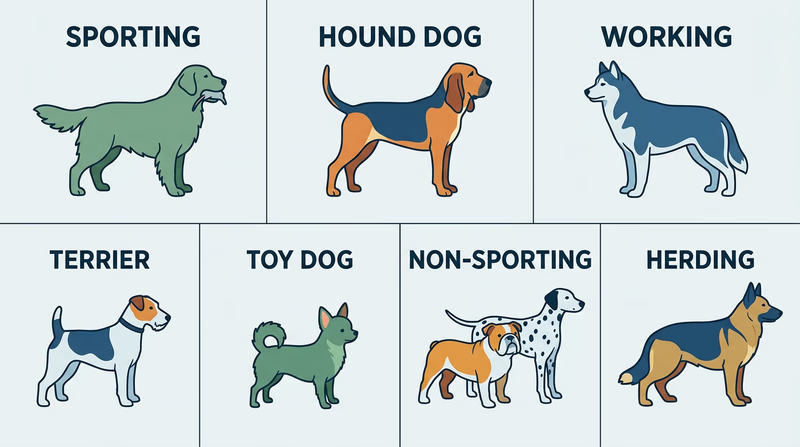
The Seven Major Dog Groups
Sporting Group
Sporting dogs were bred to help hunters find and retrieve birds. Many are active, eager to learn, and friendly with people. They usually enjoy outdoor activity, games, and training that keeps their minds busy.
Common traits include strong energy, good teamwork with people, and enthusiasm for fetching or carrying. Retrievers, spaniels, and pointers belong here.
Hound Group
Hounds are hunting dogs, but many work more independently than sporting breeds. Some use their noses to follow scent, while others use sharp eyesight and speed to chase game.
Common traits include persistence, focus on a scent or moving target, and sometimes a strong independent streak. Beagles, dachshunds, and greyhounds are examples.
Working Group
Working dogs were bred for serious jobs such as guarding, pulling sleds, rescuing, and protecting livestock or property. They are often strong, confident, and capable.
Common traits include power, alertness, and willingness to take on demanding tasks. Boxers, mastiffs, Great Danes, and Siberian huskies fit in this group.
Terrier Group
Terriers were developed to hunt rats, foxes, and other small animals. Many are bold, energetic, and quick to react. They often like digging, chasing, and staying busy.
Common traits include bravery, persistence, and high energy packed into a smaller body. Many terriers are smart, but they may also decide they have their own plans.
Toy Group
Toy breeds were developed mainly for companionship. They are small, portable, and often strongly attached to their people. Even though they are tiny, many have big personalities.
Common traits include alertness, affection, and sensitivity to handling and weather. Chihuahuas, pugs, and Cavalier King Charles spaniels are common examples.
Non-Sporting Group
This group is a mixed collection of breeds that do not fit neatly into the other categories. Because of that, their sizes, coats, and temperaments vary a lot.
Common traits are harder to summarize, but many non-sporting breeds were kept as companions or multipurpose household dogs. Bulldogs, poodles, and dalmatians are found here.
Herding Group
Herding dogs were bred to control the movement of livestock. They are often highly observant, quick-thinking, and eager for jobs. Many notice movement right away and react fast.
Common traits include intelligence, trainability, stamina, and strong focus. Border collies, Australian shepherds, and German shepherds are examples.
How to Describe a Dog Group
Use these four categories with your counselor
- Original job: What work was the group bred to do?
- Common temperament: Are the dogs usually social, independent, watchful, bold, or eager to please?
- Energy level: Do they need lots of activity or more moderate exercise?
- Care impact: How does the group’s history affect training, exercise, or supervision?
A quick video overview can help you hear the groups explained aloud before you talk through them yourself.
Use Groups as Clues, Not Labels
Groups are helpful, but they are not magic. Individual dogs can vary a lot based on training, breeding, health, age, and experience. A calm young retriever and a wild young retriever may both be sporting dogs, but their daily behavior can be very different.
That is why good dog care combines group knowledge with real observation. Look at the dog in front of you. The group tells you what to watch for, but the dog’s actual behavior tells you what care it needs.
A Smart Way to Prepare
Before meeting with your counselor, pick one or two breeds from each group and say out loud what job they were bred for and what traits often go with that job. That practice will help you move from memorizing names to actually understanding the groups.
In Req 1a, you saw how humans shaped dogs over time. Next, you will bring that idea down to the breed level by looking at seven specific breeds or the story of one breed in depth.