Req 6a — Vaccination Planning
Puppies explore the world with their noses, mouths, and paws, which means they can also run into dangerous diseases early in life. Vaccines protect dogs before they meet those threats. This requirement is not asking you to memorize one perfect national schedule forever. It is asking you to understand that vaccination plans change with age, local law, risk level, and veterinary guidance in your area.
Why Vaccines Matter
Vaccines train the immune system to recognize and fight specific diseases. Some of those diseases spread easily, can kill young dogs, or can threaten people too. Rabies is the clearest example because it is almost always fatal once symptoms appear and it can spread to humans.
Vaccination is preventive care. It is usually easier, safer, and less expensive to prevent disease than to treat it.
Puppy Vaccination Schedule
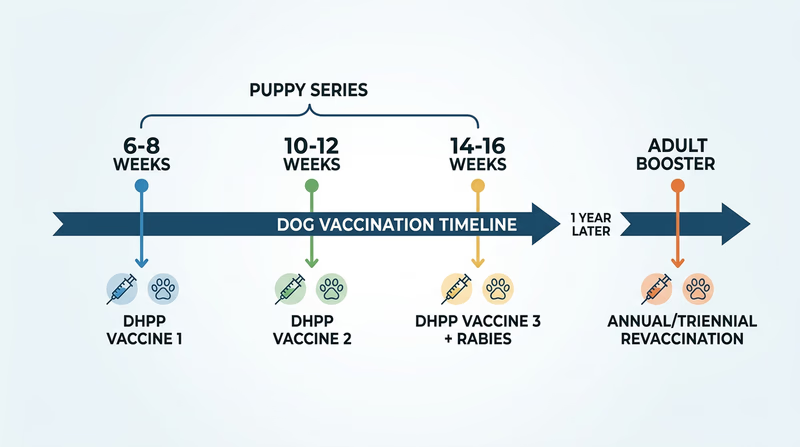
Puppies usually receive a series of shots rather than a single one-time vaccine. That is because the protection they get from their mother fades over time, and veterinarians want to build the puppy’s own immunity as that happens.
A typical puppy series often begins around 6 to 8 weeks of age and continues every few weeks until about 16 weeks old. Common core vaccines often include protection against diseases such as distemper, parvovirus, and adenovirus. Rabies is usually given later, based on veterinary guidance and local law.
Adult Booster Schedule
Adult dogs often need booster shots after the puppy series. Some vaccines are boosted yearly. Others may be given on a longer schedule depending on the product used, the dog’s age, health, and local regulations. Rabies schedules are especially important because state or local law often determines when boosters are required.
This is why the phrase “in your area” matters. The correct answer should include local veterinary advice, not just a generic internet chart.
Core vs. Lifestyle Vaccines
Veterinarians often think about vaccines in two categories:
- Core vaccines — widely recommended for most dogs because the diseases are severe or widespread
- Lifestyle or risk-based vaccines — recommended depending on where the dog lives, travels, boards, hikes, or socializes
A dog that goes to boarding kennels, dog parks, training classes, or hunting areas may have different vaccine needs than a mostly home-based dog.
What Shapes a Dog's Vaccine Plan
Discuss these with your counselor and veterinarian
- Age: Puppies, adults, and seniors may need different timing.
- Local law: Rabies rules vary by state and community.
- Lifestyle: Boarding, travel, dog parks, and outdoor exposure change risk.
- Regional disease patterns: Some infections are more common in certain areas.
- Health status: A veterinarian may adjust timing for individual medical needs.
The official video on this page is a helpful starting point for understanding the purpose and timing of puppy vaccines.
A Good Way to Discuss This Requirement
When you talk with your counselor, focus on the pattern rather than pretending there is one universal schedule. You can say that puppies receive a vaccine series, adults receive boosters, rabies timing often follows law, and veterinarians adjust plans based on local disease risks and the dog’s lifestyle.
In the next requirement, you will stay with preventive care but shift from vaccines to another major health topic: stopping parasites before they harm the dog.