Req 6b — Parasite Prevention
Parasites are one of the easiest dog health problems to underestimate. A flea looks small. A tick may go unnoticed. Worms live out of sight. But these pests can spread disease, steal nutrients, damage organs, and make a dog miserable. Good parasite control is not a one-time fix. It is a year-round plan based on the risks where you live.
Fleas
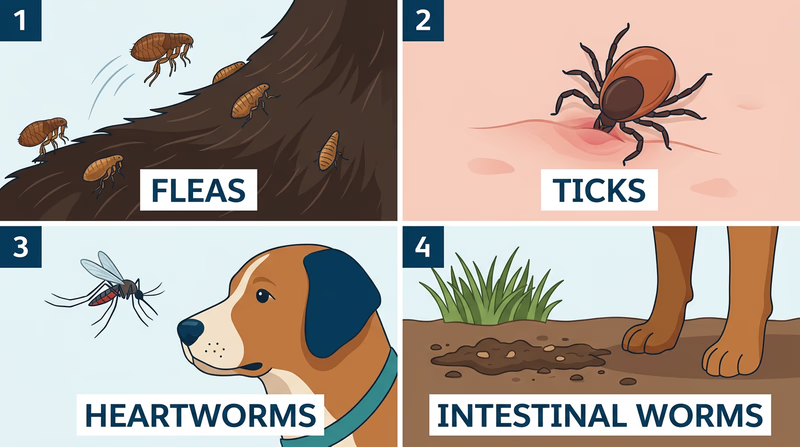
Fleas are tiny insects that feed on blood. They can cause intense itching, skin irritation, hair loss, and allergic reactions. Heavy infestations can make young or small dogs weak, and fleas can also spread tapeworms.
Prevention usually works better than trying to clean up a full infestation. Monthly preventives, regular cleaning of bedding, vacuuming, and treating all pets in a household when necessary are common control methods.
Ticks
Ticks attach to the skin and feed slowly. They are important because they can carry serious diseases. Tick risk depends a lot on your area, outdoor habits, and season, but in many places ticks are now a year-round problem.
Control methods often include veterinarian-approved preventives, frequent tick checks after hikes or yard time, and keeping grass and brush trimmed around living areas.
Heartworms
Heartworms are spread by mosquitoes. Once inside a dog, they can grow in the heart and blood vessels and cause severe disease. Treatment can be difficult, expensive, and hard on the dog, which is why prevention matters so much.
Heartworm prevention is usually given on a regular schedule, often monthly, but the exact plan should come from a veterinarian. In many regions, even indoor dogs are at some risk because mosquitoes come indoors too.
Intestinal Parasites
Intestinal worms can include roundworms, hookworms, whipworms, or tapeworms. Dogs may pick them up from contaminated soil, infected fleas, prey animals, or contact with feces. Puppies are especially vulnerable.
Control methods often include routine fecal testing, regular deworming or preventive medicine, prompt cleanup of stool, and preventing dogs from scavenging or eating questionable things outside.
A Strong Parasite Prevention Plan
These habits work together
- Use veterinarian-approved preventives on schedule. Missed doses weaken the plan.
- Pick up stool promptly. This helps reduce spread of intestinal parasites.
- Check the dog’s skin and coat often. Early flea or tick detection matters.
- Keep the environment clean. Wash bedding and manage yard conditions.
- Ask what is common in your area. Local parasite risk should guide the plan.
The official video below gives a broad introduction to controlling the parasites named in this requirement.
Why Prevention Starts Early
Puppies need parasite prevention too, but the specific medicines and timing may differ from those for adults. That is another reason local veterinary guidance matters. Prevention should grow with the dog, just like its vaccine plan does.
In Req 6a, you looked at vaccines as preventive care. Parasite control is the same kind of thinking: stop trouble before it starts.
Next you will move from general prevention to one part of the dog that owners often neglect until it causes pain: the mouth and teeth.