Req 6d — Grooming and Nail Care
A dog’s coat and nails can tell you a lot about its health. A shiny, clean coat and comfortable nail length do not happen by accident. Regular grooming removes dirt, reduces tangles, helps you spot skin problems early, and keeps the dog more comfortable in daily life.
Coat Care Does More Than Improve Appearance
Brushing removes loose hair, spreads natural skin oils, and helps prevent mats. Mats are not just messy. They can pull painfully on the skin, trap moisture, hide wounds, and make it harder to notice fleas, ticks, or irritation.
Different coats need different care. A short-coated dog may need only occasional brushing, while a long-haired or curly-coated dog may need frequent brushing and professional trimming. Double-coated breeds may shed heavily and need regular undercoat care.
Nail Care Affects Movement and Comfort
Overgrown nails change how a dog stands and walks. That can make movement uncomfortable and put stress on joints and feet. Long nails may also catch on surfaces, split, or break painfully.
Regular trimming keeps the feet working the way they should. Some active dogs wear nails down naturally, but many still need trimming, especially dewclaws, which may not wear down much at all.
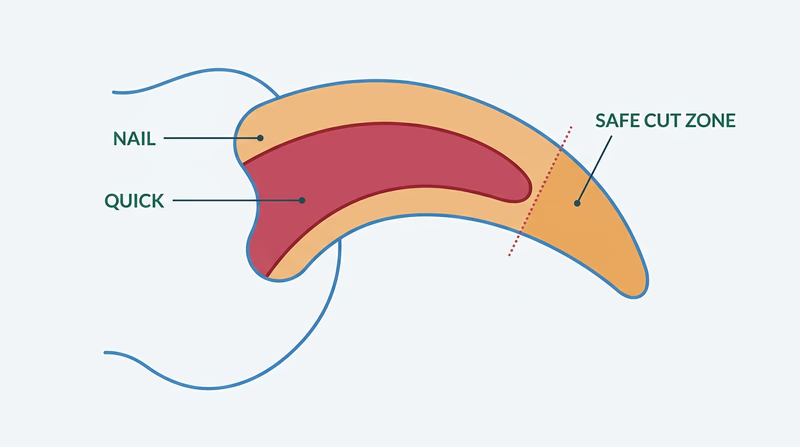
Grooming Is Also a Health Check
A good grooming session is a chance to inspect the dog. You may notice lumps, hot spots, ear debris, skin redness, burrs, cuts, or parasites. That makes grooming a useful health habit, not just a cosmetic one.
Benefits of Regular Grooming
Why the routine matters
- Cleaner skin and coat: Dirt and loose hair get removed before they build up.
- Less matting and discomfort: Brushing prevents painful tangles.
- Earlier problem detection: You are more likely to notice skin issues or parasites.
- Better movement: Proper nail length helps the dog walk normally.
- More comfort around handling: Routine care teaches the dog that being touched is normal.
The official grooming video below covers the broad importance of maintaining a dog’s coat and general care routine.
Good Grooming Fits the Individual Dog
Breed, coat type, age, activity, and season all change grooming needs. A dog that swims often may need more ear and coat attention. A shaggy dog in muddy weather may need far more brushing than the same dog in dry conditions.
After coat and nail care, the next step is looking outward at something else every good owner must consider: the weather and seasonal conditions where the dog lives.