Req 7b — Emergency Muzzle
An emergency muzzle can protect people from being bitten while first aid is given, but it must be used with care and only in the right situation. A dog in pain may bite even if it is normally gentle. Learning this skill helps you protect everyone involved without adding panic to an already stressful moment.
What an Emergency Muzzle Does
A muzzle limits a dog’s ability to bite. In an emergency, it gives the handler a little more safety while examining, lifting, or bandaging the dog. It is not a punishment. It is a temporary safety tool.
When Not to Use One
You should not muzzle a dog that is vomiting, struggling to breathe, overheating, or has a serious facial injury. In those cases, a muzzle may make the emergency worse. This is why thinking first matters more than acting fast.
Basic Emergency Muzzle Method
A soft emergency muzzle can be improvised with gauze, a leash, or a long strip of cloth if you have been shown how to do it correctly. The general idea is to form a loop over the muzzle, tighten it enough to prevent biting, secure it under the jaw, and tie it behind the ears.
The fit should be firm enough to control biting but not so tight that it adds unnecessary distress. It should be used only long enough to handle the emergency safely.
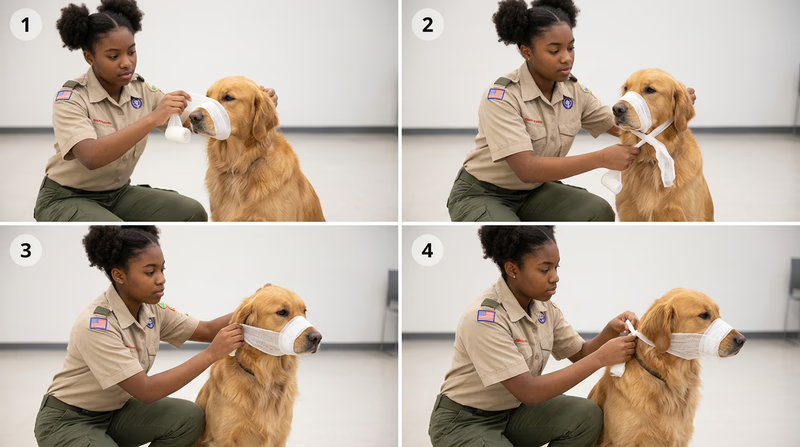
Before Using an Emergency Muzzle
Ask these questions first
- Is the dog breathing normally? If not, do not muzzle.
- Does the dog have facial trauma? If yes, a muzzle may be unsafe.
- Is the dog overheating or vomiting? If yes, do not muzzle.
- Do I truly need bite protection to help safely? Use the least restraint needed.
- Do I have help? A second calm person can make the process safer.
The official video below is important here because this is a show-and-do skill, not just a discussion topic.
In Req 7a, you learned why injured dogs may bite. Now that you know one way to manage that risk, you are ready to think about actual wound care and what to do after a dog bite.