Req 7h — Major Dog Diseases
This requirement asks you to think like a prevention-minded owner. Each of these diseases has a different cause and spreads in a different way, but all four can be serious or deadly. If you understand how they spread, you will better understand why vaccines, mosquito control, and safe social contact matter so much.
Rabies
Rabies is caused by a virus that attacks the nervous system. It spreads mainly through bites from infected animals when virus-filled saliva enters tissue. Signs can include behavior changes, aggression, confusion, trouble swallowing, weakness, and paralysis.
Rabies prevention depends mainly on vaccination and avoiding exposure to wild or unknown animals. Because rabies can infect humans, it is also a major public health concern.
Parvovirus
Parvovirus is caused by a highly contagious virus, especially dangerous for puppies. It spreads through contact with infected feces, contaminated ground, or contaminated objects. Signs often include severe vomiting, diarrhea, weakness, fever, and dehydration.
Prevention depends heavily on vaccination and careful management of puppy exposure before the vaccine series is complete. Because the virus can survive in the environment, cleanup and caution matter too.
Distemper
Distemper is a viral disease that can affect the respiratory, digestive, and nervous systems. It spreads through droplets and close contact with infected animals or contaminated materials. Signs may include fever, coughing, nasal discharge, vomiting, diarrhea, lethargy, and later neurologic problems.
Vaccination is one of the main prevention tools. Avoiding exposure to sick or unvaccinated animals also matters, especially for puppies.
Heartworms
Heartworms are caused by parasites spread by mosquitoes. Mosquitoes carry immature heartworms from one animal to another. Signs may include coughing, exercise intolerance, fatigue, and more serious heart and lung problems as the disease advances.
Prevention depends on regular heartworm preventive medicine and local mosquito awareness. Treatment exists but is far harder on the dog than prevention.
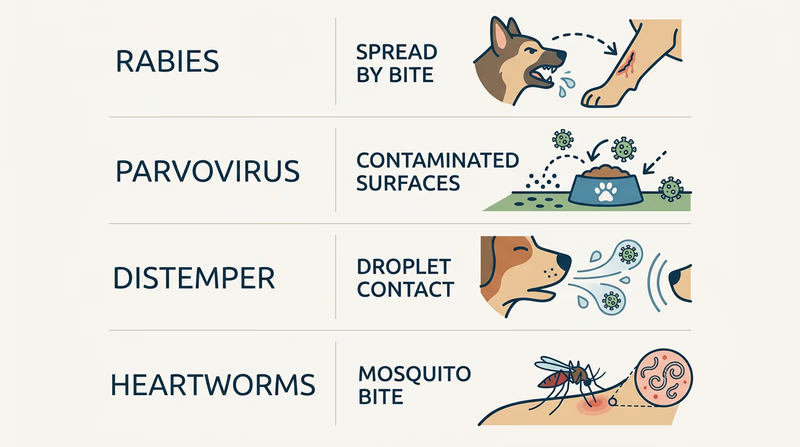
How These Diseases Differ
A useful way to explain them clearly
- Rabies: Viral, spread mainly by bites, prevented by vaccination
- Parvovirus: Viral, spread by contaminated feces and surfaces, prevented by vaccination and sanitation
- Distemper: Viral, spread by close contact and droplets, prevented by vaccination
- Heartworms: Parasitic, spread by mosquitoes, prevented by regular preventive medicine
The official AVMA resource below adds useful context about disease risk in social settings where dogs meet other dogs.
Disease Risks for Dogs in Social Settings (website) A veterinarian-reviewed guide to contagious disease risks in places like dog parks, classes, shelters, and boarding facilities.Look for Patterns in Prevention
Three of these diseases are prevented mainly through vaccination. Heartworms are prevented mainly through regular medication and mosquito control. That pattern should sound familiar from Req 6a and Req 6b: the best dog care often prevents disease before it starts.
Next you will leave the home routine for a moment and learn from real people and real places by visiting a veterinary hospital or animal shelter.