Req 9 — Invasive Species
9.
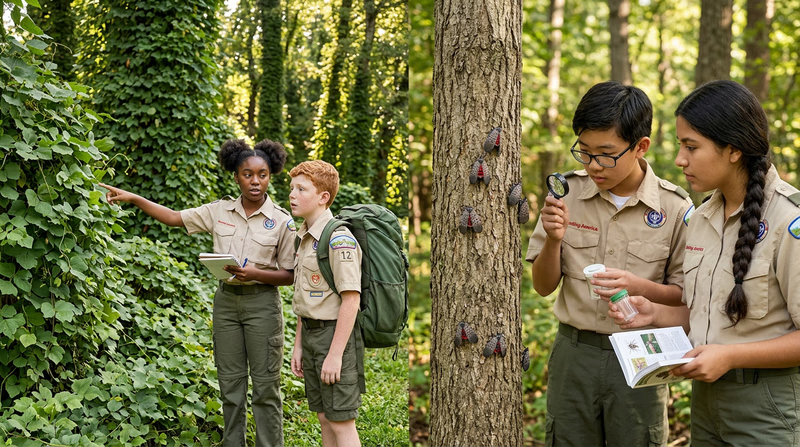
Invasive Species. In your community or camp, investigate two invasive plant or animal species. Learn where the species originated, how they were transported to this ecosystem, their life history, how they are spread, how they impact the native ecosystem, and the recommended means to eradicate or control their spread. Discuss what you learned with your counselor.
What Makes a Species “Invasive”?
Not every non-native species is invasive. A species is considered invasive when it meets all three criteria:
- It is not native to the ecosystem where it is found.
- It was introduced by human activity — either deliberately or accidentally.
- It causes harm to the environment, economy, or human health.
Many non-native species exist peacefully alongside native ones. But invasive species spread aggressively, outcompete native organisms, and disrupt the balance of the ecosystem.
How Do Invasive Species Arrive?
Invasive species reach new ecosystems through many pathways:
- Intentional introduction — Some species were brought on purpose. Kudzu was planted across the southeastern U.S. in the 1930s to control erosion. European starlings were released in New York City in the 1890s by a group that wanted every bird mentioned in Shakespeare’s plays to live in America.
- Accidental transport — Ships carry organisms in their ballast water. Packing materials harbor insects. Firewood moves forest pests from state to state.
- Escape from cultivation or captivity — Pet snakes released in the Everglades. Aquarium plants dumped in lakes. Garden plants that jump the fence and spread into wild areas.
- Natural spread after introduction — Once established, invasive species expand their range through wind, water, and animal dispersal.
Invasive Species to Know
Here are well-known examples from across the country. You should research species found specifically in your community or camp, but these can give you context:
Invasive Plants
- Kudzu — “The vine that ate the South.” Grows up to one foot per day and smothers native trees by blocking their sunlight. Native to Japan.
- Purple loosestrife — A showy purple flower that invades wetlands and displaces native plants that wildlife depends on. Native to Europe and Asia.
- Garlic mustard — A shade-tolerant plant that invades forest floors and releases chemicals that inhibit the growth of native plants and the fungi that help trees absorb nutrients.
- English ivy — Climbs trees, blocks their light, and adds weight that makes them more likely to fall in storms. Covers the forest floor and prevents native seedlings from growing.
Invasive Animals
- Burmese python — Tens of thousands now live in the Florida Everglades after being released by pet owners. They prey on native birds, mammals, and even alligators.
- Spotted lanternfly — An insect from Asia that feeds on over 70 plant species, including grapevines, fruit trees, and hardwoods. First detected in Pennsylvania in 2014 and spreading rapidly.
- Emerald ash borer — A beetle from Asia that has killed hundreds of millions of ash trees across North America since its discovery in 2002.
- Feral hogs — Descendants of escaped domestic pigs. They root up native vegetation, destroy crops, erode stream banks, and carry diseases. Found in at least 35 states.
- Zebra mussels — Tiny freshwater mussels from Eastern Europe that clog water intake pipes, coat boat hulls, and outcompete native mussels. They arrived in the Great Lakes in the late 1980s in ship ballast water.
How to Research Your Two Species
For each of your two chosen species, gather information on:
Invasive Species Research Guide
What to learn about each species
- Origin: Where is this species originally from?
- Introduction: How and when did it arrive in your area?
- Life history: What does it eat? How fast does it reproduce? What is its lifespan?
- Spread: How does it disperse — wind, water, animal transport, human activity?
- Impact: How does it harm native species and ecosystems? Economic damage?
- Control methods: What is being done to eradicate or contain it? Biological controls? Chemical treatments? Manual removal?
Where to Find Information
- Your state’s Department of Natural Resources — most publish invasive species lists and fact sheets
- USDA National Invasive Species Information Center (invasivespeciesinfo.gov)
- Your local cooperative extension service — university experts who study local invasive species
- EDDMapS (eddmaps.org) — an invasive species mapping system where you can see reported sightings in your area
- Park rangers and nature center staff — they deal with invasive species firsthand
Now that you understand how invasive species disrupt ecosystems, it is time to think like an environmental planner.