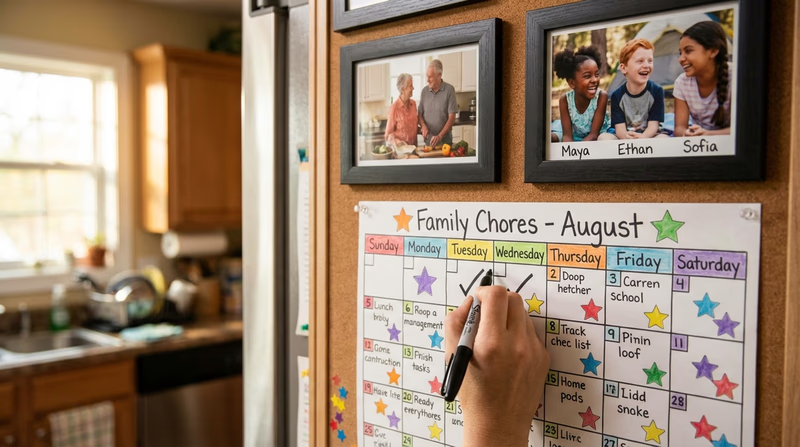
Req 3 — Home Duties & Chores
This requirement is the longest one in the badge — not because it’s the hardest, but because it takes 90 days of consistent effort. That’s about three months of showing up, doing the work, and proving that you can be counted on. By the end, you’ll have built habits that serve you for the rest of your life.
Why Chores Matter
Chores aren’t punishment. They’re practice for adulthood. Every time you do a load of laundry, take out the trash, or wash the dishes, you’re learning responsibility, time management, and the satisfaction of a job well done.
Chores also help your family run smoothly. A household is like a troop — when everyone does their part, things work. When someone slacks off, others have to pick up the extra weight, and that builds resentment.
Choosing Your Chores
The requirement says “at least five.” Choose chores that are real, regular tasks — things your family genuinely needs done. Here are some categories to consider:
Kitchen duties:
- Washing dishes or loading/unloading the dishwasher
- Setting or clearing the table
- Helping prepare meals
- Wiping counters and cleaning the kitchen after meals
Cleaning and organizing:
- Vacuuming or sweeping floors
- Dusting furniture and surfaces
- Cleaning bathrooms
- Organizing shared spaces (living room, garage, mudroom)
Outdoor tasks:
- Mowing the lawn or raking leaves
- Taking out the trash and recycling
- Shoveling snow or clearing walkways
- Watering plants or maintaining the garden
Laundry and personal care:
- Doing your own laundry (washing, drying, folding, putting away)
- Helping with family laundry
- Making your bed daily
- Keeping your room clean
Family care:
- Caring for family pets (feeding, walking, cleaning)
- Helping younger siblings with homework or getting ready
- Running errands with a parent or guardian
- Checking on elderly family members
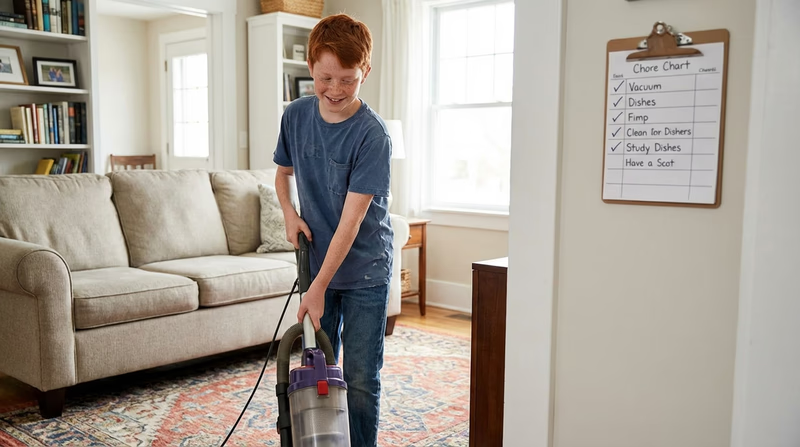
Tracking Your Chores for 90 Days
The requirement says to “keep a record.” This is important — your counselor will want to see documentation, not just a verbal report. Here are some tracking methods:
Paper tracker: Print out a chart with your chores listed down the side and dates across the top. Check off each chore as you do it. Simple and effective.
Digital tracker: Use a spreadsheet, a notes app, or a chore-tracking app on your phone. Some families use shared apps so everyone can see who did what.
Calendar method: Mark each chore on a physical or digital calendar. Color-code different chores for easy visual tracking.
Whichever method you choose, be honest. If you miss a day, don’t fake it — just note that you missed it and get back on track the next day. Your counselor will respect honesty more than a perfect record.
90-Day Chore Tracking LogBuilding the Habit
Ninety days is long enough to turn a chore into a habit. Here’s how to make it stick:
Habit-Building Strategies
Tips for staying consistent over 90 days
- Set a routine: Do certain chores at the same time every day (dishes after dinner, bed made before school).
- Pair it with something you enjoy: Listen to music or a podcast while you clean.
- Start small: If a chore feels overwhelming, break it into smaller steps.
- Track your streak: Seeing a row of checkmarks on your tracker is motivating.
- Don’t aim for perfection: Missing one day doesn’t erase all your progress. Just pick it back up.
Discussing the Effect on Your Family
At the end of your 90 days, your counselor will ask you how your chores affected your family. Think about these questions:
- Did your parent or guardian notice a difference? Did they have more free time or less stress?
- Did the house run more smoothly? Were there fewer arguments about who does what?
- Did your attitude toward chores change over the 90 days?
- Did other family members start doing their chores more consistently because of your example?
- What did you learn about yourself — your discipline, your preferences, your limits?
Explore More Resources
10 Chores for Teens That Teach Them to Be Responsible Lifelong (video) A video exploring which chores are most valuable for building lifelong responsibility. Family Chores (video) An overview of how chores contribute to a healthy family dynamic. Create a Household Chore Checklist in Word (video) A tutorial for creating your own digital chore tracking checklist.