Req 4 — Individual Home Project
This is your chance to step up and take ownership of something meaningful. Unlike daily chores, this is a one-time project that you plan, execute, and complete on your own. It should make a real, visible difference in your home or your family’s life.
What Makes a Good Home Project?
A good project has three qualities:
- It benefits your family. The result should improve your home, save time, reduce stress, or solve a real problem that your family faces.
- It requires planning. This isn’t a 15-minute task. You should need to think through materials, steps, and a timeline.
- You do it yourself. Your family can advise and support you, but the work is yours. This is about initiative and follow-through.
Project Ideas
Every home is different, so your project should address a genuine need in your household. Here are some categories to spark ideas:
Organization projects:
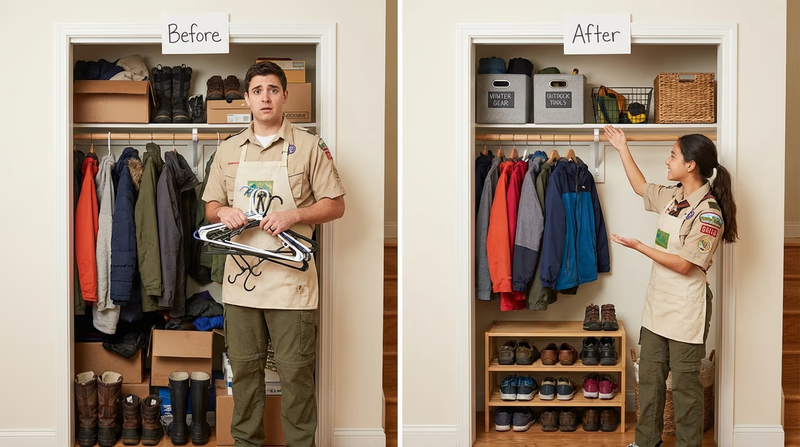
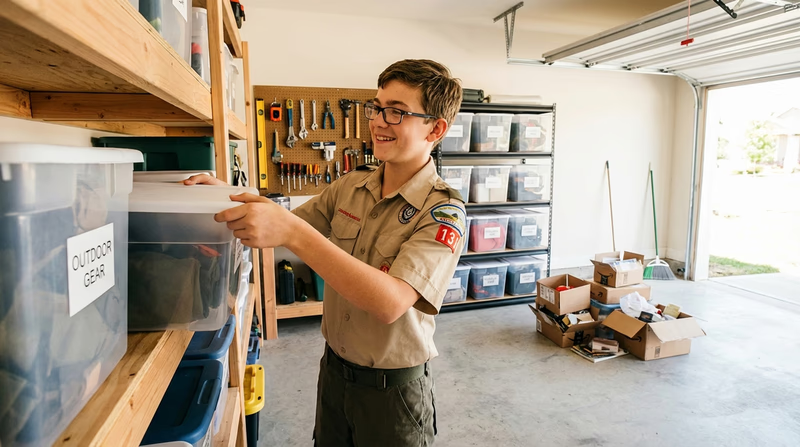
- Organize the garage, basement, or storage area so your family can find things easily
- Build or install shelving for a cluttered room
- Create a family command center (calendar, mail sorter, key hooks) near the front door
- Sort through and donate outgrown clothes and unused items
Home improvement projects:
- Paint a room that needs refreshing
- Build a raised garden bed for growing vegetables or herbs
- Install weather stripping to reduce drafts and save on heating costs
- Create a composting system for the kitchen and yard
Functional projects:
- Set up a family recycling station with labeled bins
- Create a household emergency kit with first-aid supplies, flashlights, and water
- Organize the family’s digital photos into albums
- Build a bookshelf, toy chest, or storage bench
Yard and outdoor projects:
- Clear and mulch garden beds
- Build or repair a fence section
- Create a backyard fire pit area (with proper safety measures)
- Plant shade trees or a pollinator garden
Planning Your Project
Once you’ve chosen a project, create a simple plan before you begin. You’ll need approval from both your parent or guardian and your counselor, so having a clear plan shows you’ve thought it through.
Project Planning Steps
Map out your project before you start
- Define the goal: What will be different when you’re done? Be specific.
- List materials needed: What supplies, tools, or purchases are required?
- Estimate the time: How long will the project take? One afternoon? A full weekend?
- Identify help needed: Will you need an adult to supervise power tools or help lift heavy items?
- Set a deadline: When will you complete the project?
- Get approval: Present your plan to your parent or guardian and your counselor before starting.
Carrying Out the Project
Here are some practical tips for executing your project well:
- Take “before” photos. You’ll want them for your discussion with your counselor, and they’ll show just how much you accomplished.
- Work safely. Use proper tools for the job. Wear safety glasses, gloves, or other protection as needed. Ask for help with anything involving heights, electricity, or heavy materials.
- Stay organized. Clean up as you go. A messy work area slows you down and can be dangerous.
- Adapt if needed. Projects rarely go exactly as planned. If you hit a snag, problem-solve. That’s part of the learning.
- Take “after” photos. The comparison will make you proud.
Discussing the Results
After you finish, you’ll discuss the project with your family first, then with your counselor. Be ready to talk about:
- The objective: What were you trying to accomplish? Why did you choose this project?
- The process: What steps did you take? What went well? What was harder than expected?
- The results: Did you achieve your goal? How has the project benefited your family?
- What you learned: What skills did you develop? What would you do differently next time?
Explore More Resources
How to Start a Project (video) A helpful guide for planning and starting any kind of project from scratch. Handy Teen Finishes House (video) An inspiring video about a teen who tackled a major home improvement project.