Extended Learning
A. Congratulations!
You have worked through one of the most comprehensive merit badges in the Scouting program. The skills you have learned — from assessing an emergency scene to performing CPR to recognizing a stroke — are not just requirements on a checklist. They are genuine, life-saving capabilities that set you apart. Let’s explore some ways to take your first aid knowledge even further.
B. Building a Home Emergency Plan
First aid skills are most powerful when they are part of a broader emergency preparedness strategy. Creating a family emergency plan means you are ready not just for a scraped knee at camp, but for the unexpected events that can affect your home and community.
Start by identifying the emergencies most likely in your area — severe storms, earthquakes, floods, wildfires, or power outages. Then build a plan around three pillars: communication, supplies, and practice.
A communication plan means everyone in your family knows who to call, where to meet, and how to get in touch if cell phone networks are down. Choose two meeting points — one near your home (like a neighbor’s mailbox) and one outside your neighborhood (like a library or community center).
Stock a home emergency kit with 72 hours of water (one gallon per person per day), non-perishable food, flashlights, a battery-powered radio, extra medications, copies of important documents, and — of course — a well-stocked first-aid kit. Store it in a place the whole family can access quickly.
Finally, practice. Run a family fire drill. Walk through what you would do during a severe weather warning. Quiz each other on where the emergency kit is kept and how to turn off the water and gas. Plans that never get practiced are just good intentions on paper.
C. Advanced Certifications: What Comes Next
The First Aid merit badge gives you a strong foundation, but there are certifications that take your skills to the next level — and some of them are available to you right now.
CPR/AED Certification through the American Heart Association or American Red Cross is the most common next step. Many courses are available for teens and take just a few hours. Certification typically lasts two years and is required for many jobs, including lifeguarding and coaching.
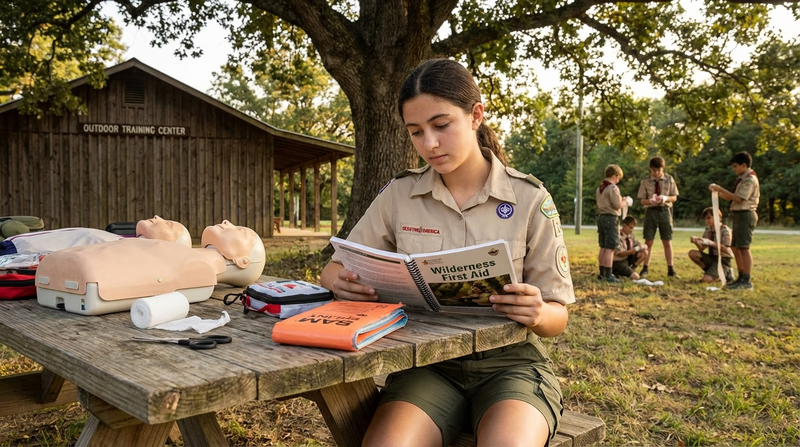
Wilderness First Aid (WFA) is a 16-hour course designed for people who lead trips in remote settings. It teaches you how to handle emergencies when professional help is hours or even days away — how to improvise splints, manage evacuations, and make tough decisions with limited resources. The Wilderness Medical Society, NOLS, and SOLO all offer WFA courses, and many accept students 16 and older.
Wilderness First Responder (WFR) is the gold standard for outdoor professionals — an 80-hour intensive course covering advanced assessment, wound management, medications, and evacuation decision-making. Many summer camps, outdoor programs, and guiding companies require their leaders to hold a WFR certification.
EMT Certification is the entry point to a career in emergency medical services. EMT courses are typically 120–150 hours and include clinical rotations in emergency departments and ambulance ride-alongs. Some states allow certification starting at age 16, though most require 18.
D. Stop the Bleed: A Movement You Can Join
The Stop the Bleed campaign was launched in 2015 by the White House in response to the Sandy Hook tragedy. Its mission is simple: train as many people as possible to control life-threatening bleeding before professional help arrives. Just as CPR training transformed cardiac arrest survival rates over the past 50 years, Stop the Bleed aims to do the same for hemorrhaging.
The training covers three key skills: applying direct pressure, packing a wound, and using a tourniquet — all skills you practiced in this badge. What makes Stop the Bleed unique is its focus on making these skills available to everyone, everywhere. Bleeding control kits are now being installed alongside AEDs in schools, airports, sports stadiums, and houses of worship across the country.
You can take a free Stop the Bleed class in your community, often hosted by hospitals, fire departments, and trauma centers. Better yet, once you are trained, you can help teach others — bringing the skills back to your troop, school, or faith community. Many Scouts have used Stop the Bleed as the foundation for Eagle Scout service projects, installing bleeding control kits in public buildings and training community members to use them.
E. Real-World Experiences
Stop the Bleed Course
American Red Cross Volunteer
CERT Training (Community Emergency Response Team)
Hospital or EMS Ride-Along
Lifeguard Certification
F. Organizations
The nation’s premier first aid, CPR, and disaster response organization. Offers free and low-cost training, volunteer opportunities, and resources for communities and individuals.
The leading authority on CPR and cardiovascular emergency care. Provides CPR/AED certification courses, Heartsaver programs, and community training resources.
America’s leading nonprofit safety advocate. Offers first aid training, workplace safety programs, and defensive driving courses. Publishes the annual Injury Facts report.
A national awareness campaign and training program to empower bystanders to help in bleeding emergencies. Offers free courses and instructor training.
The professional organization representing EMTs and paramedics. Offers advanced training courses, advocacy, and career resources.
The leading medical organization focused on wilderness and environmental medicine. Publishes clinical practice guidelines and offers educational programs.