Req 11 — Heat & Cold Conditions
Environmental conditions — extreme heat, extreme cold, and improper hydration — cause some of the most common medical emergencies at Scout events. Understanding these conditions can literally keep your patrol alive during summer camp, winter campouts, and high-adventure treks.
Dehydration and Over-Hydration
Dehydration
Dehydration occurs when your body loses more fluid than it takes in. This is extremely common during physical activity, especially in hot weather.
Signs and symptoms: Thirst, dark yellow urine, dry mouth, headache, fatigue, dizziness, reduced urine output, muscle cramps.
First aid: Move to shade or a cool area. Drink water or an electrolyte drink in small, frequent sips. Rest. If the person is confused, vomiting, or unable to keep fluids down, call 911.
Prevention: Drink water before, during, and after activity. Aim for about 1 cup every 15–20 minutes during vigorous exercise. Do not wait until you are thirsty.
Over-Hydration (Hyponatremia)
Over-hydration happens when you drink so much water that your blood sodium levels drop dangerously low. This is less common than dehydration but potentially more dangerous.
Signs and symptoms: Nausea, headache, confusion, swelling in hands and feet, fatigue, muscle cramps or weakness, seizures (in severe cases).
First aid: Stop drinking water. Eat salty snacks (pretzels, crackers, trail mix). If symptoms are severe (confusion, seizures), call 911 immediately.
Prevention: Do not force yourself to drink massive amounts of water. Include electrolyte drinks or salty snacks during prolonged activity. Monitor urine — clear urine may actually indicate over-hydration.
The Heat Illness Spectrum
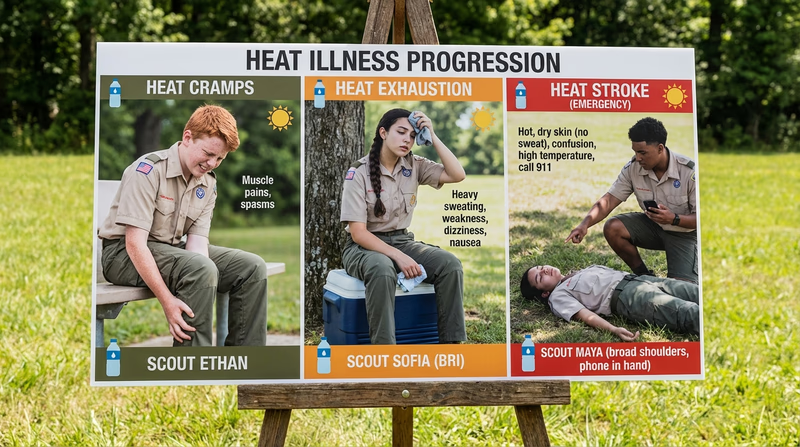
Heat-related illnesses form a spectrum of severity. Recognizing the progression allows you to intervene before a manageable condition becomes a life-threatening emergency.
Heat Cramps
The mildest form of heat illness. Painful muscle spasms — usually in the legs, arms, or abdomen — caused by heavy sweating, electrolyte loss, and dehydration during physical exertion.
Signs: Painful, involuntary muscle contractions. The person is usually alert and sweating.
First aid: Stop activity. Move to shade or a cool area. Stretch the affected muscles gently. Drink water or an electrolyte beverage. Eat salty snacks. Do not return to activity until cramps are completely gone.
Heat Exhaustion
A more serious condition caused by the body’s inability to cool itself adequately. Heat exhaustion can develop over hours or days of exposure to high temperatures.
Signs and symptoms: Heavy sweating, pale and clammy skin, fast and weak pulse, nausea or vomiting, fatigue, headache, dizziness, muscle cramps, cool and moist skin.
First aid:
- Move the person to a cool, shaded area or air-conditioned building.
- Lay them down and elevate their legs.
- Loosen or remove excess clothing.
- Apply cool, wet cloths to the skin — especially the neck, armpits, and groin (where major blood vessels are close to the surface).
- Fan the person.
- Give cool water in small sips (if conscious and not vomiting).
- If they do not improve within 30 minutes, or symptoms worsen, call 911. Heat exhaustion can progress to heat stroke.
Heat Stroke
Heat stroke is a medical emergency. The body’s cooling system has completely failed. Internal body temperature can exceed 104°F (40°C), causing organ damage and death if not treated immediately.
Signs and symptoms: High body temperature (104°F or higher), hot, red, dry skin (sweating often stops), rapid and strong pulse, headache, confusion, agitation, slurred speech, loss of consciousness, seizures.
First aid:
- Call 911 immediately.
- Cool the person as rapidly as possible. This is the single most important action:
- Immerse in cold water if available (the fastest method)
- Apply ice packs to the neck, armpits, and groin
- Spray or pour cool water over the body and fan aggressively
- Do not give fluids if the person is unconscious or vomiting.
- Monitor breathing and be prepared to perform CPR.
Chest Pains from Cold Exposure
Cold temperatures cause blood vessels to constrict, increasing blood pressure and making the heart work harder. For people with underlying heart conditions, this increased workload can cause angina (chest pain) or even trigger a heart attack.
Signs and symptoms: Chest pain, tightness, or pressure during cold exposure. Pain may radiate to the arm, neck, or jaw. Shortness of breath.
First aid: Stop all physical activity. Move to a warm environment. Loosen restrictive clothing. If the person has prescribed nitroglycerin, help them take it. Call 911 if the pain does not subside within a few minutes — treat as a possible heart attack (see Req 7a).
Prevention: People with heart conditions should avoid sudden exertion in cold weather. Warm up gradually. Dress in layers. Stay hydrated.
Hypothermia
Hypothermia occurs when the body loses heat faster than it can produce it, causing core body temperature to drop below 95°F (35°C). It can happen in surprisingly mild conditions — cold rain and wind at 50°F can cause hypothermia, especially if clothing is wet.
Stages:
| Stage | Temperature | Signs |
|---|---|---|
| Mild | 95–90°F (35–32°C) | Shivering, cold pale skin, fumbling hands, confusion, poor judgment |
| Moderate | 90–82°F (32–28°C) | Violent shivering that may stop, drowsiness, slurred speech, loss of coordination |
| Severe | Below 82°F (28°C) | Shivering stops, very slow breathing, weak pulse, loss of consciousness, may appear dead |
First aid:
- Move to warmth — shelter, tent, building, or vehicle.
- Remove wet clothing and replace with dry layers.
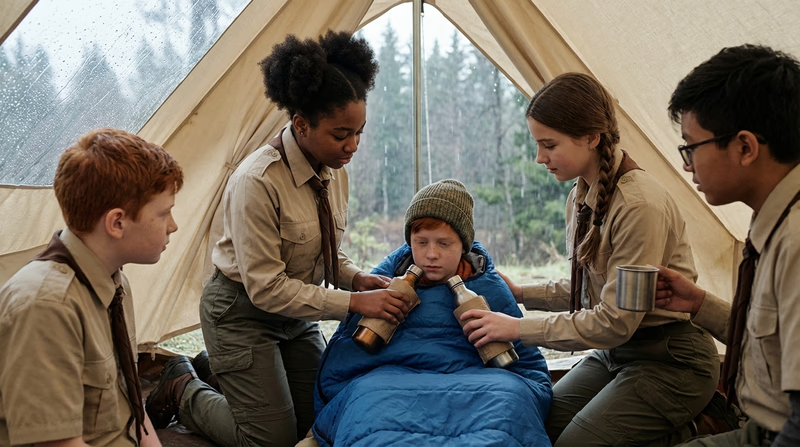
- Warm the core first — warm blankets, sleeping bags, warm water bottles placed at the neck, armpits, and groin. Do not warm the extremities first — this can cause cold blood to rush to the heart and trigger cardiac arrest.
- Handle gently. A hypothermic person’s heart is very sensitive. Rough handling can cause dangerous heart rhythms.
- Give warm (not hot) drinks if the person is conscious and able to swallow. No alcohol or caffeine.
- For moderate to severe hypothermia, call 911. These victims need hospital care with controlled rewarming.