Req 12 — Mental Health & Stress
First aid is not just for physical injuries. Mental and emotional well-being are just as important as physical health — and as a Scout trained in first aid, you should be able to recognize when someone is struggling emotionally and know what to do about it.
Stress Reactions
Stress is a normal part of life. Your body’s stress response — the “fight, flight, or freeze” reaction — is designed to help you deal with challenges. But when stress becomes overwhelming, it can cause real physical and emotional symptoms.
Common Stressful Situations in Scouting
Everyone responds to stress differently. Here are situations many Scouts find stressful, along with the reactions they might trigger:
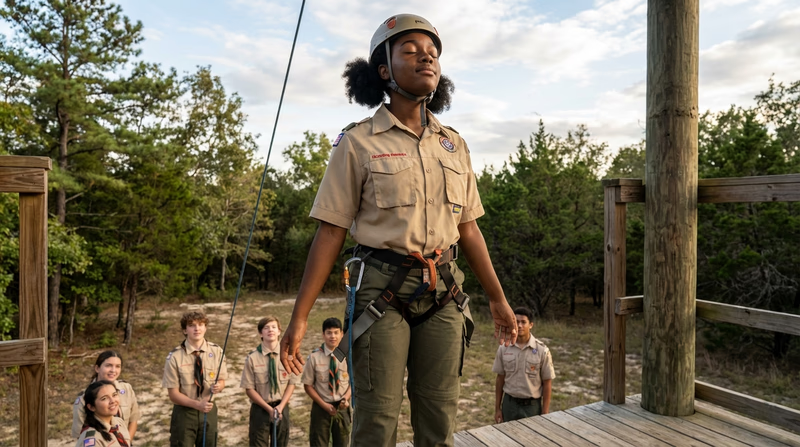
High-adventure activities (rappelling, ropes course, cliff jumping):
- Racing heart, sweaty palms, shaking
- Freezing in place — unable to move
- Feeling nauseated or dizzy
- Crying or wanting to quit
Performance situations (speaking to a group, swim test, sports tryouts):
- Dry mouth, voice shaking
- Mind going blank
- Stomach pain or “butterflies”
- Wanting to avoid the situation entirely
Social situations (meeting new people, calling an adult, homesickness):
- Anxiety, worry, feeling “on edge”
- Difficulty sleeping
- Withdrawing from the group
- Tearfulness or irritability
Preparing for and Managing Stress
Before the stressful event:
- Practice and prepare. The more familiar you are with a skill, the less stressful it feels. Rehearse presentations. Practice knots before climbing. Take a swim test at your pool first.
- Learn about it. Fear of the unknown is a powerful stressor. Learn what to expect — watch videos, talk to people who have done it, ask questions.
- Visualize success. Athletes use visualization to perform under pressure. Picture yourself succeeding.
- Talk about it. Tell a friend, parent, or leader that you are nervous. Just saying it out loud reduces its power.
During the stressful event:
- Breathe. Slow, deep breaths (4 seconds in, hold 4, out 4) activate the calming part of your nervous system. This is one of the most effective stress management techniques that exists.
- Focus on one step at a time. Do not think about the whole rappel — just focus on the next foot placement.
- Use positive self-talk. “I can do this. I am prepared. I have done hard things before.”
- Accept imperfection. You do not have to be perfect. You just have to try.
After the stressful event:
- Reflect on what went well. Even if it was hard, you did it.
- Talk about it. Sharing the experience helps process the emotions.
- Rest. Stress is exhausting — your body and mind need recovery time.
Recognizing Danger to Self or Others
This section is serious. As a Scout, you spend time with peers in settings where adults may not always be present — hiking, camping, late-night conversations in tents. You may be the first person to notice that someone is in crisis.
Warning Signs That Someone May Be a Danger to Themselves
- Talking about wanting to die or wanting to kill themselves
- Talking about feeling hopeless, having no reason to live, or being a burden to others
- Withdrawing from friends, family, and activities they used to enjoy
- Giving away possessions — especially meaningful items
- Sudden calmness after a period of depression (may indicate they have made a decision)
- Increased use of alcohol or drugs
- Reckless or self-destructive behavior — taking unusual risks
- Changes in eating or sleeping — too much or too little
- Expressing rage, anger, or desire for revenge
- Researching methods of self-harm
Warning Signs That Someone May Be a Danger to Others
- Threats of violence — spoken, written, or posted online
- Fascination with weapons or past acts of violence
- Expressing a desire to hurt specific people
- History of bullying, cruelty to animals, or violent behavior
- Extreme anger that seems out of proportion
- Plans or preparations for a violent act
What to Do
If You Suspect Someone Is a Danger to Themselves
- Take it seriously. Never dismiss or minimize what someone tells you.
- Listen without judgment. You do not need to fix the problem — just be present. Say things like, “I hear you. I’m glad you told me.”
- Ask directly. It is okay to ask, “Are you thinking about hurting yourself?” Research shows this question does not increase risk — it opens the door to help.
- Do not promise to keep it a secret. Say, “I care about you too much to keep this to myself. We need to get you help.”
- Tell a trusted adult immediately — a parent, Scout leader, teacher, school counselor, or religious leader.
- Call or text 988 (the Suicide and Crisis Lifeline) if you are unsure what to do or if the person is in immediate danger.
- Stay with the person until help arrives. Do not leave them alone.
If You Suspect Someone Is a Danger to Others
- Do not confront them. Your safety is the priority.
- Tell a trusted adult immediately.
- If the threat is imminent, call 911.
- Remove yourself and others from the situation if possible.
- Document what you saw or heard — specific words, dates, and context. This helps adults and authorities assess the situation.