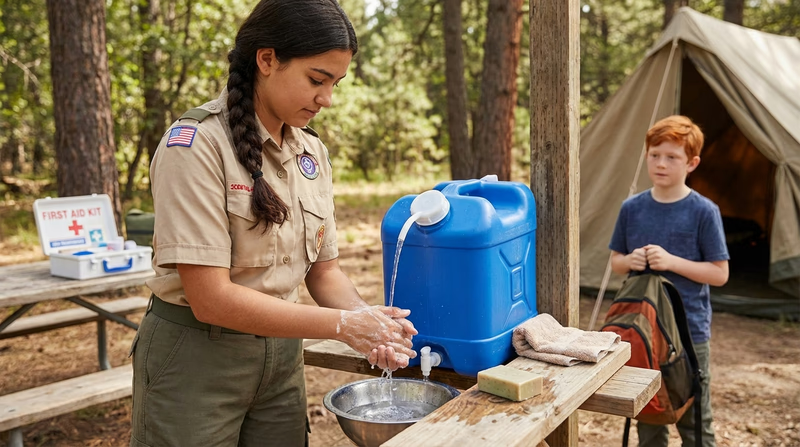
Req 1c — Infection Prevention
When you give first aid, you may come into contact with another person’s blood, saliva, vomit, or other body fluids. These fluids can carry diseases that are invisible to the naked eye. Protecting yourself and the victim from infection is not optional — it is a fundamental part of every first aid response.
Body Substance Isolation (BSI)
Body Substance Isolation (BSI) is the practice of treating all body fluids as if they could be infectious. You do not need to know whether the person is sick — you simply protect yourself every time.
The key principle: create a barrier between you and body fluids.
Your BSI Toolkit
Personal Protective Equipment (PPE)
Items every first aider should have ready
- Disposable nitrile or vinyl gloves: Wear on both hands before touching any wound or body fluid. Latex-free options prevent allergic reactions.
- CPR breathing barrier: A pocket mask or face shield with a one-way valve protects you during rescue breathing.
- Eye protection: Safety glasses or sunglasses protect against splashes. Especially important for large wounds or vomiting.
- Hand sanitizer or soap and water: For thorough handwashing after removing gloves.
How to Use Gloves Properly
Putting on gloves is easy — taking them off safely is the part most people get wrong.
Putting Gloves On
- Wash or sanitize your hands.
- Pull a glove over each hand, making sure it fits snugly with no tears.
- Check for rips or holes before you begin.
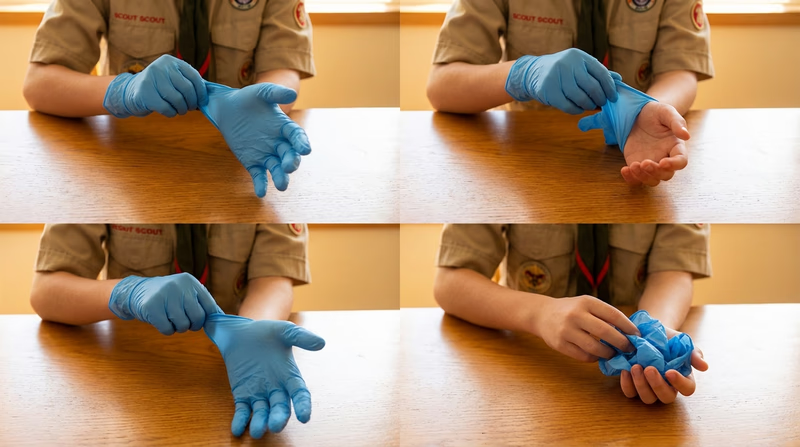
Taking Gloves Off (The Pinch-and-Peel Method)
- Pinch the outside of one glove near the wrist. Peel it off, turning it inside out as you go.
- Hold the removed glove in your still-gloved hand.
- Slide a finger under the wrist of the remaining glove. Peel it off over the first glove, creating a neat inside-out bundle.
- Dispose of the gloves in a sealed plastic bag or biohazard container.
- Wash your hands thoroughly with soap and water.
Safe Disposal of Used Supplies
Used bandages, gloves, gauze, and other first aid supplies that have contacted body fluids are considered biohazardous waste. They need to be handled carefully.
Disposal Steps
- Contain it. Place all used supplies — gloves, gauze, bandages, wrappers — into a sealed plastic bag. A zip-lock bag from your first-aid kit works well.
- Label it. If a biohazard bag is available, use it. Otherwise, mark the bag clearly so others know not to open it.
- Transport it. Bring the sealed bag to a proper disposal location. At home, double-bag it and place it in the trash. In a medical facility, use the designated biohazard bins.
- Clean up. Wipe down any surfaces that contacted body fluids with a disinfectant or a bleach solution (one part bleach to nine parts water).
After Providing First Aid
Even after careful BSI, you should always:
- Wash your hands with soap and warm water for at least 20 seconds.
- Change your clothes if they came into contact with body fluids.
- Report the exposure to a parent, Scout leader, or medical professional if you had direct contact with blood or body fluids — especially if your gloves tore or you had open wounds on your hands.
- Restock your kit. Replace any supplies you used so you are ready next time.