Req 3b — Cold Injuries & Abrasions
This page covers cold-weather injuries and friction injuries — two categories that Scouts encounter frequently on camping trips, hikes, and outdoor activities.
Snow Blindness
Snow blindness (photokeratitis) is essentially a sunburn of the cornea — the clear front surface of your eye. It happens when UV rays reflect off snow, water, sand, or ice and overwhelm the unprotected eye.
Signs and symptoms: Pain, redness, watery eyes, blurred vision, sensitivity to light, a gritty “sand in the eyes” feeling. Symptoms usually appear 6–12 hours after exposure.
First aid:
- Move the person to a dark or dimly lit area.
- Apply cool, damp cloths over closed eyes.
- Do not rub the eyes.
- Pain relievers (with parent/guardian approval) can help with discomfort.
- Snow blindness usually heals on its own within 24–48 hours, but seek medical attention if symptoms persist or vision does not return to normal.
Prevention: Wear sunglasses or ski goggles with UV protection whenever you are on snow, water, or bright sandy terrain. In an emergency, you can improvise snow goggles by cutting narrow slits in a piece of cardboard or duct tape.
Immersion Foot, Frostnip, Frostbite, and Ice Burns
These are all cold-related injuries to the skin and tissue, ranging from mild to severe.
Immersion Foot (Trench Foot)
Caused by prolonged exposure to cold, wet conditions — not necessarily freezing. It can develop after as little as 12 hours with wet feet in cold temperatures.
Signs and symptoms: Tingling, numbness, pain, swelling, discoloration (red or blue), and a heavy feeling in the foot. In severe cases, blisters and open sores.
First aid: Remove wet socks and shoes. Dry the feet gently. Warm the feet gradually (air-dry or use body heat — not hot water). Elevate the feet. Do not walk on affected feet if possible. Seek medical attention.
Frostnip
The mildest form of cold injury. Skin turns red and feels cold, tingly, or numb. Typically affects the nose, ears, cheeks, fingers, and toes.
First aid: Move to a warm area. Warm the affected skin gently with body heat — tuck fingers into armpits, cup warm hands over ears or nose. Do not rub the skin. Frostnip does not cause permanent damage.
Frostbite
Frostbite is the actual freezing of skin and underlying tissue. It is a serious medical condition.
| Stage | Skin Appearance | Sensation |
|---|---|---|
| Superficial | White or grayish-yellow, waxy | Numb, hard on the surface but soft underneath |
| Deep | White or blotchy, hard all the way through | Completely numb, wooden feeling |
First aid:
- Move to warmth. Get the person indoors or into a warm shelter.
- Do not rub or massage the frostbitten area — ice crystals in the tissue can cause more damage.
- Remove wet clothing and jewelry from the affected area.
- Rewarm gradually. If you are near medical care, let professionals handle rewarming. If in a remote location and there is no risk of refreezing, immerse the affected area in warm water (100–104°F / 37–40°C) for 20–30 minutes.
- Do not rewarm if there is any chance of refreezing. Thawing and refreezing causes far worse damage than staying frozen.
- Protect the area. Place sterile gauze between frostbitten fingers and toes. Do not pop blisters.
- Seek medical help immediately.
Ice Burns
An ice burn happens when ice, frozen metal, or chemical cold packs are held directly against the skin for too long. The tissue response is similar to frostbite.
First aid: Remove the cold source. Warm the area gently with lukewarm water. Cover with a sterile bandage. Seek medical attention if blistering or discoloration occurs.
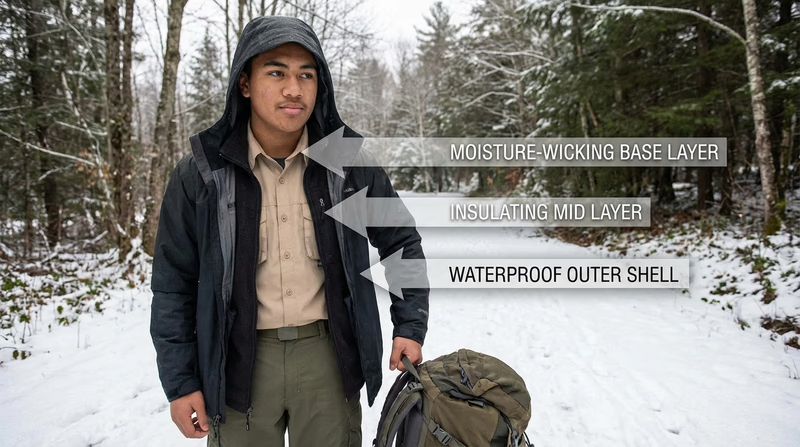
Prevention (all cold injuries): Dress in moisture-wicking layers. Keep spare dry socks in a zip-lock bag. Avoid tight-fitting boots that restrict circulation. Stay hydrated. Know the signs and check each other frequently in cold weather.
Abrasions: Chafing and Rope Burns
An abrasion is a scrape — the top layer of skin is worn away by friction, leaving a raw, red surface that may ooze. Abrasions are painful because they expose nerve endings.
Chafing
Caused by skin rubbing against skin or clothing, especially during prolonged activity. Common areas: inner thighs, armpits, nipples, and waistband area.
First aid: Clean the area gently with mild soap and water. Apply a thin layer of petroleum jelly or anti-chafing balm. Cover with a soft bandage if needed.
Prevention: Wear moisture-wicking, well-fitting clothing. Apply anti-chafing products to high-friction areas before activity. Avoid cotton in hot or wet conditions (it holds moisture).
Rope Burns
Friction burns from ropes sliding through hands or against skin. Common in rappelling, climbing, and pioneering activities.
First aid: Cool the area with clean, cool water. Clean gently and apply antibiotic ointment. Cover with a sterile non-stick bandage.
Prevention: Always wear gloves when handling ropes under tension. Use proper belaying technique. Wear long pants and sleeves during rope activities.
Blisters
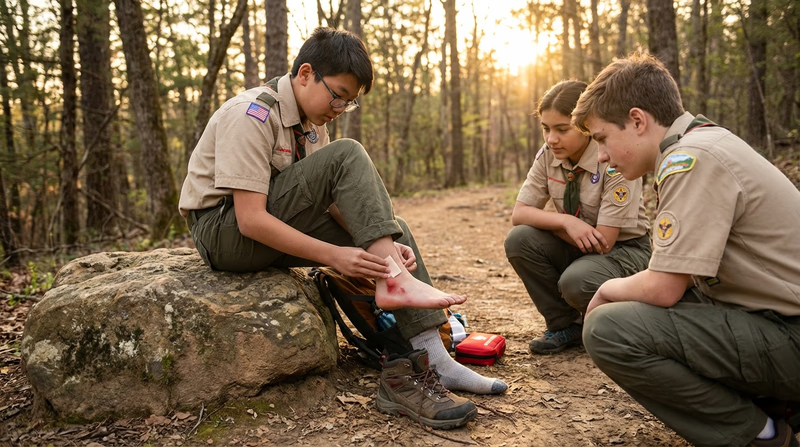
Blisters are fluid-filled pockets that form when friction separates the upper layers of skin. They are the most common trail injury for hikers and backpackers.
Common locations: Feet (heels, toes, ball of the foot), hands (from tools or paddles), shoulders (from pack straps), buttocks (from prolonged sitting on hard surfaces).
Signs and symptoms: A “hot spot” — a warm, red, tender area — is the early warning sign. If ignored, it develops into a fluid-filled blister.
First aid:
- Hot spot (pre-blister): Cover immediately with moleskin, athletic tape, or a blister-prevention patch. Eliminate the friction source — adjust socks, retie boots, add padding.
- Intact blister: Do not pop it if you can avoid it. The fluid cushion protects healing skin underneath. Cover with a donut-shaped moleskin pad (hole over the blister, padding around it) to relieve pressure.
- Popped blister: Clean the area with antiseptic. Do not remove the loose skin — it acts as a natural bandage. Apply antibiotic ointment and cover with a sterile bandage.
Prevention:
- Break in new boots before long hikes.
- Wear moisture-wicking socks (wool or synthetic, never cotton).
- Keep feet dry — change socks if they get wet.
- Stop and address hot spots immediately. Five minutes of prevention saves hours of pain.