Req 3c — Punctures, Plants & Stings
This page covers puncture wounds, plant rashes, and the many creatures whose bites and stings you may encounter as a Scout. For each one, know the symptoms and signs, first aid treatment, and how to prevent it.
Puncture Wounds
A puncture wound is caused by a sharp, pointed object piercing the skin. The entry wound may be small, but the damage can go deep — and the wound is hard to clean, making infection a real risk.
Common Causes and First Aid
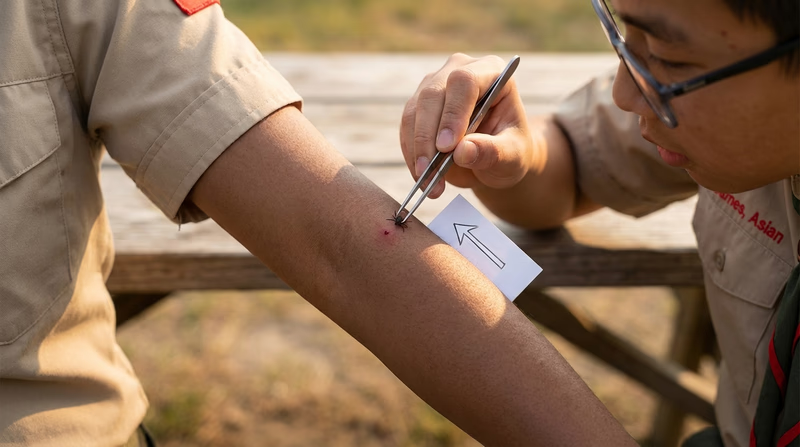
Splinters (wood and rope): Remove with clean tweezers, pulling in the direction the splinter entered. Clean with soap and water. Apply antibiotic ointment and a bandage. If a splinter is deep, large, or you cannot remove it completely, seek medical attention.
Nails: Clean the wound thoroughly with soap and running water. Apply antibiotic ointment and cover with a sterile bandage. Check tetanus status — a nail puncture is a classic route for tetanus infection. Seek medical attention if the nail was rusty, dirty, or the wound is deep.
Fish hooks: If the hook is embedded past the barb, do not try to pull it out backward — the barb will cause more damage. If trained, you can use the advance-and-cut method: push the hook through until the barb exits the skin, cut off the barb with wire cutters, and remove the hook. Otherwise, stabilize the hook in place and seek medical help.
Poisonous Plant Rashes
The oils from poison ivy, poison oak, and poison sumac cause an allergic skin reaction called contact dermatitis in about 85% of people. The oily resin — called urushiol — can stay active on clothing, tools, and pet fur for months.
The rule to remember: “Leaves of three, let it be.”
Signs and symptoms: Itching, redness, swelling, and blisters that develop 12–72 hours after contact. The rash is not contagious — you cannot spread it by touching the blisters.
First aid:
- Wash the area immediately with soap and cool water. The sooner you wash, the less oil absorbs into the skin.
- Remove and wash all clothing that may have contacted the plant.
- Apply calamine lotion or hydrocortisone cream to relieve itching.
- Cool compresses can help with swelling.
- Avoid scratching — it can cause infection.
- Seek medical help for rashes covering large areas, rashes on the face or genitals, or difficulty breathing (from inhaling smoke from burning poison plants).
Prevention: Learn to identify poison ivy, poison oak, and poison sumac in your area. Wear long pants and long sleeves when hiking through dense vegetation. Wash skin within 15 minutes of suspected contact. Products like Tecnu and Zanfel can remove urushiol oil after exposure.
Bug Bites
Chiggers
Tiny mites that attach to skin in grassy and wooded areas. They inject digestive enzymes that cause intense itching and small red welts, usually around the ankles, waist, and areas where clothing fits tightly.
First aid: Wash the area with soap and water. Apply anti-itch cream. Avoid scratching.
Prevention: Tuck pants into socks. Apply insect repellent containing DEET to clothing and exposed skin. Shower as soon as possible after outdoor activity.
Ticks
Ticks attach to the skin and feed on blood. They can transmit diseases including Lyme disease, Rocky Mountain spotted fever, and ehrlichiosis.
First aid for tick removal:
- Use fine-tipped tweezers. Grasp the tick as close to the skin surface as possible.
- Pull upward with steady, even pressure. Do not twist or jerk.
- Clean the bite area with rubbing alcohol or soap and water.
- Save the tick in a sealed bag (with the date) in case symptoms develop later.
Prevention: Wear light-colored clothing so ticks are visible. Tuck pants into socks. Use insect repellent. Do thorough tick checks after every outdoor activity — check the scalp, behind the ears, armpits, waist, and groin.
Mosquitoes
Mosquito bites cause itchy, raised bumps. More importantly, mosquitoes can carry diseases like West Nile virus and Zika virus.
First aid: Wash with soap and water. Apply anti-itch cream or a cold pack.
Prevention: Use EPA-registered insect repellent. Wear long sleeves at dawn and dusk. Eliminate standing water near camp.
Biting Gnats (No-See-Ums)
Tiny flying insects whose bites cause red, itchy welts disproportionate to their size.
First aid: Wash the area. Apply anti-itch cream.
Prevention: Fine-mesh head nets and screens. Insect repellent. Avoid dawn and dusk near water.
Bee Stings
Bee stings inject venom that causes localized pain, redness, and swelling in most people. For those with allergies, a single sting can trigger life-threatening anaphylaxis.
First aid:
- Remove the stinger by scraping it off with a credit card or your fingernail. Do not squeeze it with tweezers — this can inject more venom.
- Wash with soap and water.
- Apply a cold pack to reduce swelling.
- Watch for signs of allergic reaction (see Req 5 — Breathing Emergencies for anaphylaxis).
Prevention: Avoid brightly colored clothing and strong fragrances outdoors. Keep food and drinks covered. Stay calm around bees — swatting makes them more likely to sting.
Spider Bites
Most spider bites cause only mild, localized reactions. Two spiders in North America are medically significant:
Black widow: Shiny black with a red hourglass on the abdomen. Bite causes severe muscle pain, cramping, nausea, and sweating.
Brown recluse: Brown with a violin-shaped mark on the back. Bite may initially be painless but can develop into a deep, slow-healing ulcer over days.
First aid: Wash with soap and water. Apply a cold pack. If a black widow or brown recluse is suspected, seek medical attention immediately. Try to safely capture or photograph the spider for identification.
Prevention: Shake out shoes, clothing, and sleeping bags before use. Wear gloves when moving firewood or reaching into dark spaces. Check under logs and rocks before sitting.
Scorpion Stings
Scorpion stings cause immediate, intense pain at the sting site, numbness, tingling, and sometimes muscle twitching. The bark scorpion (found in the southwestern United States) can cause more severe symptoms, especially in children.
First aid: Wash the area. Apply a cold pack. Keep the victim calm and still. Seek medical attention — especially for children or if symptoms spread beyond the sting site. Call Poison Control (1-800-222-1222).
Prevention: Shake out shoes, clothing, and bedding. Do not walk barefoot at night in scorpion territory. Use a UV flashlight at night — scorpions glow under ultraviolet light.
Animal and Human Bites
All mammal bites carry a risk of infection because mouths are full of bacteria. Animal bites also carry the risk of rabies — a fatal viral disease if untreated.
First aid:
- Control bleeding with direct pressure.
- Wash the wound thoroughly with soap and running water for at least 5 minutes.
- Apply antibiotic ointment and a sterile bandage.
- Seek medical attention for all animal bites — the doctor will assess the rabies risk and may prescribe antibiotics.
- Report the bite to local animal control.
Human bites carry a high risk of infection due to the bacteria in human mouths. Treat the same way and seek medical attention.
Prevention: Do not approach, touch, or feed wild animals. Vaccinate pets against rabies. Teach children not to disturb animals that are eating, sleeping, or caring for young.
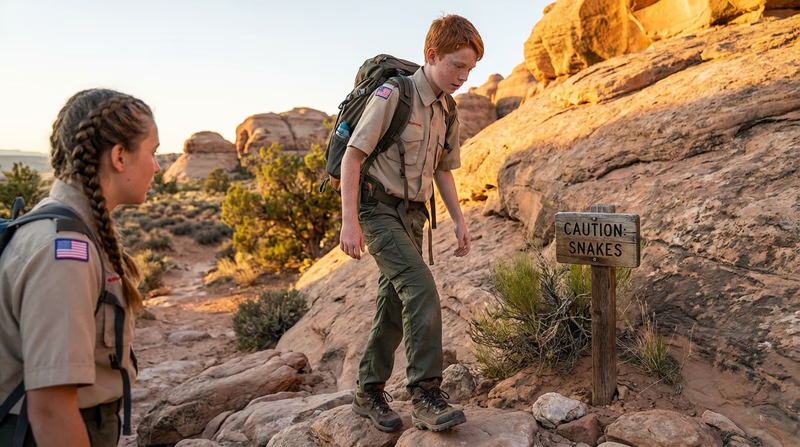
Venomous Snake Bites
About 7,000 venomous snake bites occur in the United States each year. The four types of venomous snakes in North America are rattlesnakes, copperheads, cottonmouths (water moccasins), and coral snakes.
Signs and symptoms: Fang marks (one or two puncture wounds), severe pain, rapid swelling, bruising around the bite, nausea, difficulty breathing, blurred vision.
First aid:
- Move away from the snake. Do not try to catch or kill it — take a photo from a safe distance if possible.
- Call 911 immediately. Antivenin treatment must be given at a hospital.
- Keep the victim calm and still. Movement speeds venom circulation.
- Remove jewelry and tight clothing near the bite before swelling starts.
- Keep the bitten area at or below heart level.
- Mark the edge of swelling with a pen and note the time — this helps doctors track progression.
Prevention: Watch where you step and reach. Wear boots and long pants in snake country. Use a flashlight on trails at night. Never reach under rocks, logs, or into holes blindly.