Req 4a — Nosebleeds & Mild Bleeding
Bleeding is the body’s signal that something has broken through the skin. In most cases, the bleeding you encounter will be mild — a scrape from a fall, a cut from a pocketknife, or a nosebleed on a dry day. These injuries are rarely life-threatening, but they still require proper care to prevent infection and promote healing.
Nosebleeds
Nosebleeds are common and usually not serious. They happen when the tiny blood vessels inside the nose break — from dry air, nose-picking, a bump to the face, allergies, or physical exertion.
First aid:
- Sit the person upright and have them lean slightly forward (not backward — leaning back causes blood to run down the throat, which can cause nausea and choking).
- Pinch the soft part of the nose (just below the bony bridge) firmly between the thumb and index finger.
- Hold for 10–15 minutes without releasing to check. It takes time for a clot to form.
- Apply a cold pack to the bridge of the nose or the back of the neck — this can help constrict blood vessels.
- After the bleeding stops, tell the person not to blow their nose, bend over, or do anything strenuous for several hours — these actions can dislodge the clot.
When to seek medical help:
- The bleeding does not stop after 20 minutes of continuous pressure
- The nosebleed was caused by a blow to the head
- The person is on blood-thinning medication
- Nosebleeds happen frequently without clear cause
Open Wounds with Mild or Moderate Bleeding
Types of Open Wounds
Abrasion (scrape or scratch): The top layers of skin are scraped away. Painful because nerve endings are exposed. Usually oozes rather than bleeds heavily. Common cause: falls on rough surfaces.
Laceration (cut): A cut through the skin caused by a sharp object — knife, broken glass, sharp rock. Shallow lacerations bleed moderately and usually respond well to direct pressure.
First Aid for Mild to Moderate Bleeding
- Put on gloves — always protect yourself with BSI (see Req 1c).
- Apply direct pressure with a sterile gauze pad or clean cloth. Press firmly and hold.
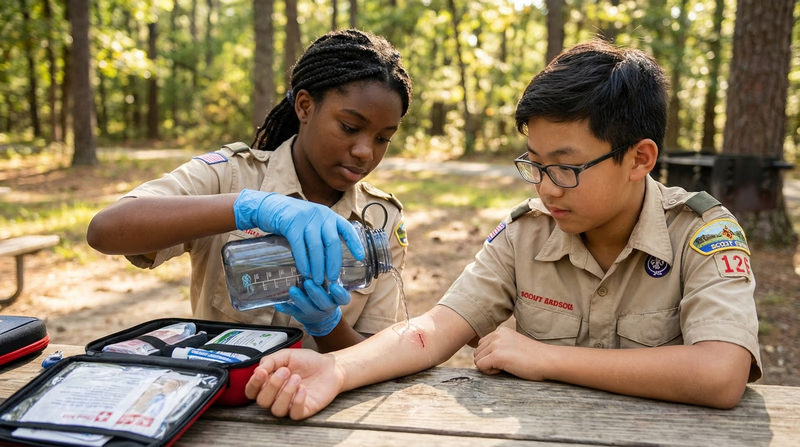
- Clean the wound once bleeding slows. Rinse with clean, running water for several minutes to flush out dirt and debris. Use soap around (not in) the wound.
- Remove debris. Use tweezers to pick out any visible dirt, gravel, or splinters that did not flush out.
- Apply antibiotic ointment to reduce infection risk.
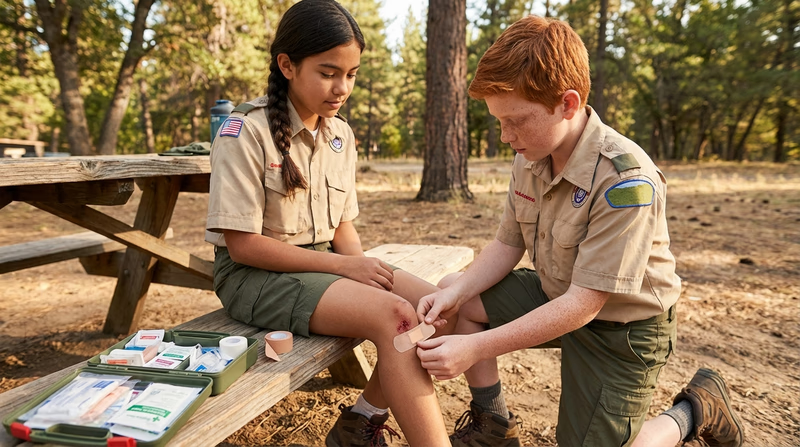
- Cover the wound with a sterile adhesive bandage or gauze pad secured with tape.
- Change the bandage at least once a day or whenever it gets wet or dirty.
When a Cut Needs Stitches
A laceration may need professional medical closure (stitches, staples, or skin glue) if:
- It is deeper than a quarter-inch
- It will not stop bleeding after 10 minutes of direct pressure
- It is on the face, hands, or over a joint
- The edges of the wound gape open and do not hold together
- You can see fat, muscle, or bone