Req 5 — Breathing Emergencies
Breathing emergencies are among the most time-critical situations you will face. When someone cannot breathe, you may have only minutes to act. For each condition on this page, learn the symptoms, the first aid response, and how to prevent it.
Choking
Choking occurs when food, a small object, or liquid blocks the airway. A person who is choking may not be able to speak, cough, or breathe.
Signs: Clutching the throat (the universal choking sign), inability to speak or cough, wheezing or high-pitched sounds, blue lips or face, panic.
First aid — Conscious adult or child (over 1 year):
- Ask, “Are you choking? Can I help?” If they cannot speak or nod, act immediately.
- Stand behind the person and wrap your arms around their waist.
- Make a fist with one hand and place it just above the navel, thumb side in.
- Grab your fist with the other hand and deliver quick, upward abdominal thrusts (the Heimlich maneuver).
- Repeat until the object is expelled or the person becomes unconscious.
If the person becomes unconscious:
- Lower them gently to the ground.
- Call 911.
- Begin CPR. Each time you open the airway to give breaths, look in the mouth for the object. If you see it, remove it.
Prevention: Chew food thoroughly. Do not talk or laugh with food in your mouth. Cut food into small pieces for young children. Keep small objects away from children.
Asthma Attack
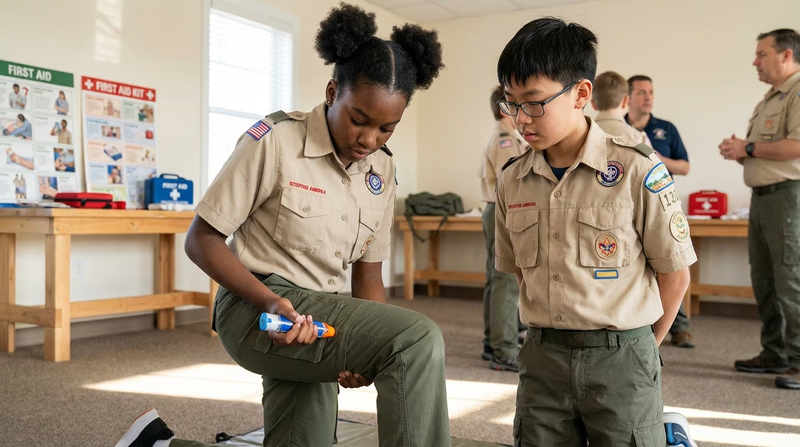
Asthma is a chronic condition that narrows the airways and makes breathing difficult. An asthma attack can be triggered by exercise, cold air, allergens, smoke, strong emotions, or respiratory infections.
Signs: Wheezing (a whistling sound when breathing), shortness of breath, tight feeling in the chest, coughing, difficulty speaking in full sentences, sitting in a tripod position (leaning forward with hands on knees).
First aid:
- Help the person sit up in a comfortable position — sitting upright opens the airways more than lying down.
- Help them use their rescue inhaler (usually albuterol, a blue inhaler). Shake it, have them exhale fully, then inhale the medication deeply and hold their breath for 10 seconds.
- Stay calm and reassure them. Anxiety worsens an attack.
- If the inhaler does not relieve symptoms within 15 minutes, or if the person cannot speak, has blue lips, or is getting worse — call 911 immediately.
Prevention: Avoid known triggers. Always carry a rescue inhaler. Warm up gradually before exercise. In cold weather, breathe through a scarf or neck gaiter to warm the air.
Anaphylaxis
Anaphylaxis is a severe, whole-body allergic reaction that can kill within minutes. It happens when the immune system overreacts to a trigger — most commonly insect stings, foods (peanuts, tree nuts, shellfish), or medications.
Signs: Swelling of the face, lips, tongue, or throat. Difficulty breathing or swallowing. Hives or widespread rash. Rapid pulse. Dizziness or fainting. Nausea, vomiting, or abdominal pain. A feeling of “impending doom.”
First aid:
- Call 911 immediately. This is always a life-threatening emergency.
- Help the person use their epinephrine auto-injector (EpiPen or similar) if they have one. Inject into the outer thigh — it works through clothing.
- Have the person lie down with legs elevated, unless they are having trouble breathing — in that case, let them sit up.
- Monitor breathing. Be prepared to perform CPR if they stop breathing.
- A second dose of epinephrine may be needed if symptoms do not improve in 5–10 minutes.
Prevention: People with known severe allergies should carry two epinephrine auto-injectors at all times. Wear a medical alert bracelet. Read food labels carefully. Inform Scout leaders, counselors, and friends about your allergies.
Inhalation Injuries
Inhalation injuries occur when a person breathes in harmful substances — smoke, toxic gases, steam, or chemical fumes. These injuries can damage the airways and lungs even when the person looks fine on the outside.
Signs: Coughing, hoarse voice, soot around the mouth or nose, singed nasal hairs, difficulty breathing, wheezing, chest pain, confusion, headache.
First aid:
- Move the person to fresh air immediately — but only if you can do so safely. Do not enter a smoke-filled room or chemical environment without proper respiratory protection.
- Call 911.
- Monitor breathing. Airway swelling from heat or chemical exposure can worsen rapidly.
- If the person is not breathing, begin rescue breathing or CPR.
- Keep the person calm and sitting upright if they are conscious and breathing.
Prevention: Never enter a confined space without proper ventilation. Use a campfire responsibly — do not inhale smoke. Never mix cleaning chemicals (bleach + ammonia creates toxic chloramine gas). Install carbon monoxide detectors at home.
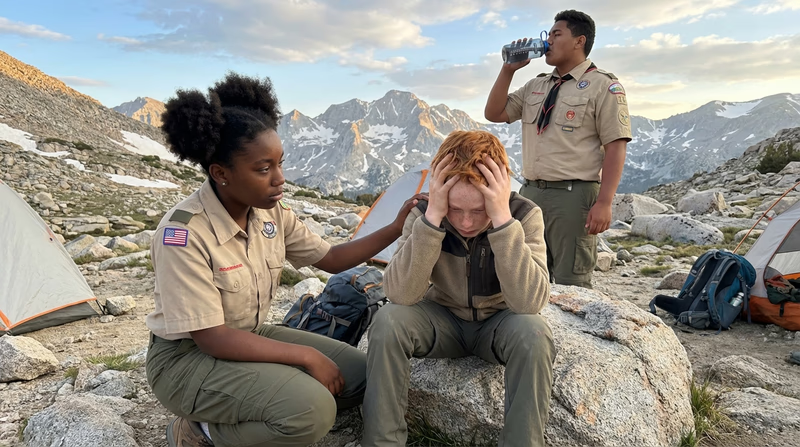
Altitude Sickness
Altitude sickness (acute mountain sickness, or AMS) occurs when you ascend to high elevation faster than your body can adjust to the lower oxygen levels. It typically starts above 8,000 feet and is common at high-adventure bases like Philmont Scout Ranch.
Signs and symptoms: Headache, nausea, dizziness, fatigue, loss of appetite, shortness of breath, difficulty sleeping. Symptoms usually appear 6–12 hours after arrival at altitude.
More severe forms:
- HACE (High Altitude Cerebral Edema): Brain swelling. Confusion, loss of coordination, irrational behavior. Life-threatening.
- HAPE (High Altitude Pulmonary Edema): Fluid in the lungs. Severe shortness of breath, cough with pink or frothy sputum, inability to walk uphill. Life-threatening.
First aid:
- Stop ascending. Rest at the current altitude until symptoms improve.
- Hydrate. Drink plenty of water.
- Descend if symptoms worsen or do not improve within 24 hours. Descent is the definitive treatment.
- For severe symptoms (HACE or HAPE), descend immediately and call for emergency evacuation. These are medical emergencies.
Prevention: Ascend gradually — no more than 1,000–1,500 feet of elevation gain per day above 8,000 feet. Stay hydrated. Avoid alcohol. Listen to your body and report symptoms honestly to your group.