Req 6 — Loss of Consciousness
These emergencies can happen fast and look overwhelming, but the same pattern helps you stay focused: recognize the warning signs, give the right first aid, and understand how the emergency might have been prevented. Work through each condition below with that three-part frame in mind.
Fainting (Syncope)
Fainting happens when the brain temporarily does not get enough blood flow. It is usually brief — the person collapses, then wakes up within a minute or two. Common triggers include standing for long periods, heat, dehydration, emotional stress, and standing up too quickly.
Signs before fainting: Lightheadedness, pale or gray skin, sweating, nausea, blurred or tunnel vision, feeling warm.
First aid:
- If you notice warning signs, help the person sit or lie down immediately. Have them put their head between their knees if sitting.
- If they have already fainted, check for breathing and pulse. Place them on their back and elevate their legs about 12 inches.
- Loosen tight clothing around the neck and waist.
- Do not splash water on their face or slap them — this is not helpful.
- When they wake up, keep them lying down for several minutes. Offer water. Help them sit up slowly.
- Call 911 if the person does not regain consciousness within a minute, if they hit their head during the fall, if they have chest pain or difficulty breathing, or if this is their first fainting episode with no clear cause.
Prevention: Stay hydrated. Avoid standing still for long periods — shift your weight, flex your calves. If you feel faint, lie down or sit with your head between your knees right away. Eat regular meals.
🎬 Video: Fainting — https://youtu.be/7lTWGG2ZvK4
Hypoglycemia (Low Blood Sugar)
Hypoglycemia occurs when blood sugar drops too low — usually below 70 mg/dL. It most commonly affects people with diabetes who take insulin or certain medications, but it can also happen to anyone who has not eaten for a long time, especially during intense physical activity.
Signs and symptoms: Shakiness, sweating, pale skin, hunger, irritability, confusion, dizziness, rapid heartbeat, weakness, slurred speech, and in severe cases, loss of consciousness and seizures.
First aid:
If the person is conscious and can swallow, give them fast-acting sugar immediately:
- Glucose tablets (the best option — carried by many diabetics)
- Fruit juice (4 oz)
- Regular soda (not diet)
- Hard candy
- Honey or sugar packets
Wait 15 minutes, then check if they feel better. If not, give another dose of sugar.
Once they improve, have them eat a snack with protein and carbohydrates (peanut butter crackers, cheese and crackers) to stabilize blood sugar.
If the person is unconscious or unable to swallow, do not put anything in their mouth. Call 911 immediately. Place them in the recovery position and keep the airway clear (review Req 1). If they carry a glucagon kit, a trained person can administer it by injection.
Prevention: People with diabetes should monitor blood sugar regularly, carry fast-acting sugar at all times, and eat balanced meals. For all Scouts — eat regular meals and snacks during activities, especially in hot weather or during strenuous exercise.

🎬 Video: Diabetic Emergencies — https://www.youtube.com/watch?v=ASqdE2sqHgM
Seizure
A seizure occurs when there is a sudden burst of abnormal electrical activity in the brain. Seizures can be caused by epilepsy, head injuries, high fever, low blood sugar, drug overdose, or other medical conditions. Some seizures involve full-body convulsions; others may appear as staring spells or repetitive movements.
Signs of a generalized (tonic-clonic) seizure: Sudden stiffening of the body, uncontrolled jerking or shaking, loss of consciousness, drooling or foaming at the mouth, eyes rolling back, loss of bladder control, confusion or sleepiness after the seizure ends.
First aid:
- Do not restrain the person. You cannot stop a seizure by holding someone down. Restraining them can cause injuries.
- Do not put anything in their mouth. Despite the old myth, people cannot swallow their tongues during a seizure. Putting objects in the mouth can break teeth or cause choking.
- Protect their head. Place something soft (jacket, towel, your hands) under their head to prevent it from hitting the ground.
- Clear the area. Move furniture, rocks, or anything the person could hit during the seizure.
- Time the seizure. This information is critical for medical professionals.
- After the seizure stops, turn the person onto their side (recovery position) to keep the airway clear.
- Stay with them. The person will be confused and disoriented when they wake up. Speak calmly and reassure them.
When to call 911:
- The seizure lasts more than 5 minutes
- The person does not regain consciousness
- Another seizure begins shortly after the first
- The person is injured during the seizure
- This is their first seizure or you do not know their seizure history
- The person is pregnant, has diabetes, or is in water
Prevention: People with epilepsy should take prescribed medications consistently, get adequate sleep, and avoid known triggers. For other causes — prevent head injuries with helmets, manage diabetes, and avoid substance abuse.

🎬 Video: Seizure First Aid — Epilepsy Foundation — https://www.youtube.com/watch?v=Ovsw7tdneqE
Drug Overdose and Alcohol Poisoning
An overdose occurs when a person takes more of a substance than their body can safely process. This can happen with prescription medications, over-the-counter drugs, illegal drugs, or alcohol.
Alcohol poisoning is a specific type of overdose caused by drinking a dangerous amount of alcohol in a short period. It is a leading cause of death among young people.
Signs and symptoms: Confusion or unresponsiveness, slow or irregular breathing (fewer than 8 breaths per minute), blue or pale skin, vomiting (especially while unconscious), seizures, low body temperature, inability to be woken up.
First aid:
- Call 911 immediately. Do not wait to “see if they get better.”
- Check breathing. If the person is not breathing, begin CPR.
- Place them in the recovery position if they are breathing but unconscious — this prevents choking on vomit.
- Stay with them. Monitor breathing continuously.
- If you suspect an opioid overdose (heroin, fentanyl, prescription painkillers) and naloxone (Narcan) is available, administer it as a nasal spray. Naloxone temporarily reverses opioid effects and is available without a prescription in most states.
- Do not give them coffee, cold showers, or try to “walk it off.” These do not reverse an overdose and waste precious time.
Prevention: Never misuse prescription medications. Avoid alcohol and drugs entirely — they are illegal for minors and dangerous at any age. If you see someone in danger, call for help. Good Samaritan laws in many states protect people who call 911 for an overdose from prosecution.
🎬 Video: Naloxone Treatment of an Opioid Overdose — https://youtu.be/8eUUf5ssH_4
Underwater Hypoxic Blackout
Underwater hypoxic blackout (also called shallow water blackout) happens when a swimmer loses consciousness underwater due to low oxygen levels in the blood. It is most often caused by hyperventilating before diving — taking several fast, deep breaths to “load up” on air. This does not actually increase oxygen — it just lowers carbon dioxide, which is the signal that tells your brain to breathe. The swimmer feels fine, dives under, and blacks out without warning.
Signs: A swimmer who suddenly stops moving underwater. An unconscious person at the bottom of a pool. A swimmer who surfaces unconscious or limp.
First aid:
- Get the person out of the water immediately. If you are trained in water rescue, follow safe rescue techniques. If not, use a reaching or throwing assist — do not swim to the victim unless you are a trained lifeguard.
- Call 911.
- Check breathing and pulse. Begin CPR immediately if needed.
- Do not give up. Drowning victims — especially in cold water — have survived after extended submersion. Continue CPR until EMS arrives.
Prevention: Never hyperventilate before swimming underwater. Swim with a buddy who watches you from the surface. Never swim alone. Follow the BSA Safe Swim Defense guidelines.
Underwater Blackout A focused educational resource explaining shallow-water blackout, why hyperventilation is dangerous, and how to prevent this silent drowning hazard. Link: Underwater Blackout — https://underwaterhypoxicblackout.org/Cold Water Shock and Drowning
Cold water shock is the body’s involuntary response to sudden immersion in cold water (below 70°F / 21°C). Within the first minute, the body gasps, hyperventilates, and the heart rate spikes. This can cause a person to inhale water and drown even if they are a strong swimmer.
If a person survives the initial shock, cold water rapidly saps strength and coordination. Within 10–15 minutes, the muscles may become so weak that the person cannot swim or hold onto a rescue device.
Drowning is death by suffocation in water. It is the leading cause of unintentional death for children ages 1–4 and a top cause for all ages.
Signs of a drowning person: Head low in the water with mouth at water level. Head tilted back with mouth open. Glassy, unfocused eyes. Vertical body position, not using legs. Trying to swim but making no forward progress. Attempting to roll over on the back. Silence — drowning is almost always silent.
First aid:
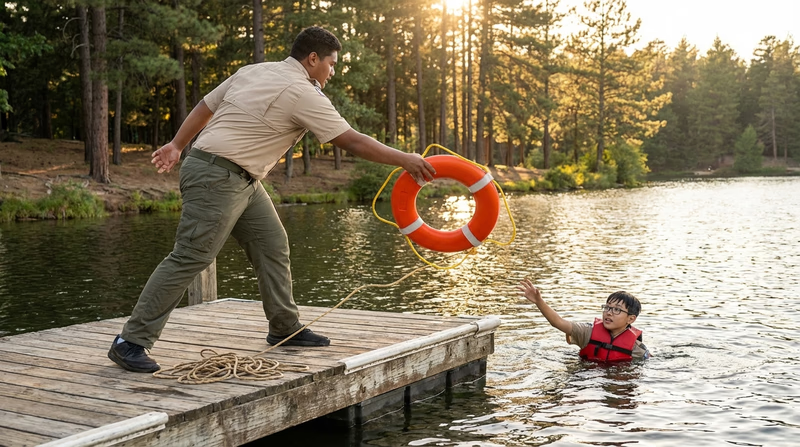
- Do not jump in unless you are trained in water rescue. More than half of people who die trying to rescue a drowning person are untrained bystanders.
- Reach, throw, row, go — in that order. Extend a pole or branch. Throw a flotation device. Use a boat. Enter the water only as a last resort with proper training.
- Call 911.
- Once the person is out of the water, check breathing and begin CPR if needed.
- Treat for hypothermia. Remove wet clothing. Wrap in blankets. Warm gradually.
Prevention: Always wear a PFD when boating or paddling. Never swim alone. Follow BSA Safe Swim Defense and Safety Afloat policies. Learn to swim well. Know the water temperature before entering.
🎬 Video: How to Perform CPR for a Drowning Victim — https://youtu.be/mnfhnyY-Udk?si=hDJw11X7ejwN54WI
Lightning Strike and Electric Shock
A lightning strike delivers up to 300 million volts in a fraction of a second. Lightning can cause cardiac arrest, severe burns, nerve damage, and brain injury. Electric shock from power lines, outlets, or equipment can cause similar injuries.
Signs and symptoms: Loss of consciousness, cardiac arrest (no pulse), burns (entry and exit points), confusion, muscle pain, numbness, difficulty breathing, seizures.
First aid:
- Ensure the scene is safe. For lightning: if there is still a storm, move the victim and yourself to a safe structure or vehicle if you can do so quickly. For electrical shock: make sure the power source is off before touching the victim.
- Call 911 immediately.
- Check for breathing and a pulse. Lightning can stop the heart. Begin CPR immediately if there is no pulse — lightning victims have a high survival rate with prompt CPR.
- Treat burns at entry and exit points.
- Treat for shock — lay the person down, elevate legs, keep warm.
- Check for spinal injuries — the force of a lightning strike or fall from electrical contact can cause fractures.
Prevention: Follow the 30/30 rule — if the time between a lightning flash and thunder is 30 seconds or less, go inside. Wait 30 minutes after the last thunder before going back outside. Avoid open fields, hilltops, tall isolated trees, and bodies of water during storms. Stay away from downed power lines.