 Getting Started
Introduction & Overview
A still pond at sunrise, a trout stream rushing over rocks, a pier buzzing with voices at sunset — fishing can feel peaceful, exciting, and full of surprises all at once. It teaches patience, observation, outdoor skills, and respect for the water and the life in it.
The Fishing merit badge is about far more than catching something on a hook. You will learn how to stay safe, choose gear, tie reliable knots, handle fish responsibly, and understand the rules and ethics that protect waterways for everyone.
Then and Now
Then — Fishing for Food and Survival
For thousands of years, people fished because they needed food. Long before modern rods and reels, people made hooks from bone, carved spears, braided lines from plant fibers, and used nets, traps, and weirs to catch fish in rivers, lakes, and along coasts. Knowing where fish gathered — and when they moved — could help a family survive.
Scouting picked up that same spirit of self-reliance. Early Scouts learned fishing as an outdoor skill tied to camping, conservation, and learning how to provide for yourself in the field.
- Purpose: Food, survival, and practical outdoor skill
- Tools: Hand lines, simple poles, handmade hooks, nets, and traps
- Mindset: Know the water, understand fish behavior, and waste nothing
Now — Recreation, Conservation, and Skill
Today, many people fish for enjoyment, challenge, and connection to nature. Modern gear is lighter, stronger, and more specialized than ever. At the same time, anglers now know much more about habitat loss, invasive species, fish stress, and the need for responsible catch-and-release practices.
Modern fishing mixes skill with stewardship. A good angler is not just someone who can catch fish, but someone who protects the places fish live and treats other anglers, landowners, and wildlife with respect.
- Purpose: Recreation, food, family tradition, and conservation
- Tools: Spinning outfits, baitcasting gear, fly rods, sonar, and specialized tackle
- Mindset: Enjoy the sport while protecting the resource
Get Ready! You are about to learn skills that can turn a frustrating day of tangles and missed bites into a confident day on the water. Pay attention to the details in this guide — small habits make a big difference in fishing.
Kinds of Fishing
Fishing is not one single activity. Different places, fish species, and goals create very different styles of angling.
Bank and Shore Fishing
This is where many Scouts begin. You fish from the edge of a pond, lake, river, or canal with simple gear and easy access. Bank fishing teaches the basics well because you can focus on casting, lure choice, and reading the water without worrying about controlling a boat.
Boat Fishing
Fishing from a boat lets you reach deeper water, offshore structure, and spots that shore anglers cannot easily access. It also adds extra responsibilities like life jackets, weather awareness, and safe movement around hooks and gear.
Fly Fishing
Fly fishing uses a weighted line to cast very light flies that imitate insects, baitfish, or other natural food. It can look fancy, but at its core it is about understanding what fish are eating and presenting something that looks alive and natural.
Freshwater Fishing
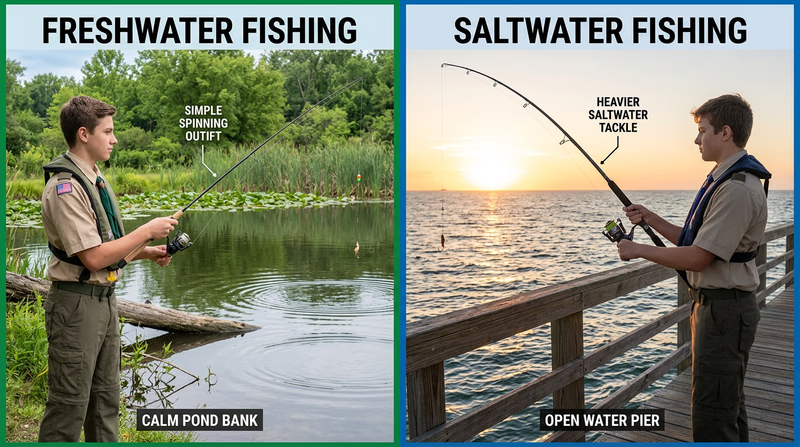
Ponds, lakes, rivers, and streams hold species like bass, bluegill, trout, catfish, and crappie. Freshwater fishing is the most common starting point for Scouts because it is often close to home and does not require expensive equipment.
Saltwater Fishing
Saltwater fishing can happen from beaches, piers, bays, flats, or offshore boats. Saltwater fish are often stronger and faster, and the salt itself is hard on gear. That means anglers must rinse and maintain equipment carefully after every trip.
Catch-and-Keep and Catch-and-Release
Some anglers fish to bring home food. Others release nearly every fish they catch. Many do both, depending on the species, season, regulations, and the condition of the fish. Learning when to keep fish and when to release them is part of becoming a responsible angler.
Ready to start with the most important part of the badge — safety? Before you worry about gear or knots, make sure you know how to prevent problems and respond when something goes wrong.