Req 10 — Cleaning and Cooking Your Catch
This final requirement brings fishing full circle. Catching a fish is exciting, but using it responsibly for food teaches another level of outdoor skill and respect. It reminds you that fish are not just trophies. They are a natural resource that should be handled carefully and never wasted.
First Question: Is It Legal and Safe?
Before you clean or cook any fish, make sure all of these are true:
- the species is legal to keep,
- the fish meets size and bag rules,
- the water body does not have a health advisory that affects eating fish,
- and the fish has been kept cold and clean enough for safe food use.
This is where Req 7 matters again. A fish that is illegal to keep is not your dinner.
Cleaning a Fish
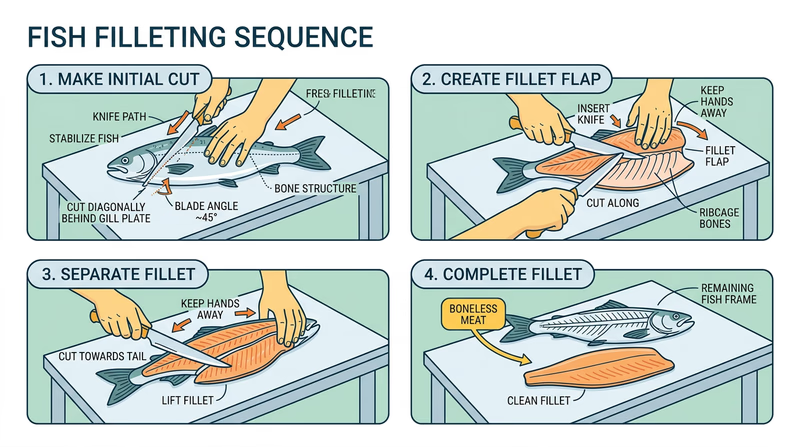
Cleaning methods vary by species, but most start with the same ideas: work on a clean surface, use a sharp fillet knife carefully, and keep the fish cool.
Common cleaning steps may include:
- Scale the fish if the skin will stay on and the species requires scaling.
- Open the body cavity or begin filleting, depending on the method.
- Remove entrails or fillets carefully.
- Rinse briefly if needed and keep the meat clean.
- Dispose of remains properly according to local rules.
Some species are usually filleted. Others may be cooked whole or dressed differently.
Cooking the Fish
The cooking method can be simple. Pan-frying, baking, grilling, or foil-packet cooking are all common options.
What matters most is safe food handling:
- keep raw fish cold until cooking,
- avoid cross-contamination with ready-to-eat food,
- cook thoroughly,
- and clean tools and surfaces afterward.
A simple seasoning and careful cooking often tastes better than trying to hide the fish under too many ingredients.
If You Did Not Catch a Fish for Eating
The requirement gives a backup plan. If regulations, conditions, or bad luck keep you from catching an edible fish, you may acquire one and still demonstrate the cleaning and cooking skills.
That keeps the focus where it belongs: learning the process, not pretending success always comes easy on the water.
Respect for the Resource
This requirement connects back to the history in the Introduction page. For most of human history, catching fish meant food. Cleaning and cooking a fish teaches respect for that tradition. It also teaches that if you keep a fish, you should use it well.
Before You Clean and Cook
A quick reality check
- Is the fish legal to keep?
- Is it safe to eat from this water?
- Has it been kept cold and clean?
- Do you have a safe workspace and sharp knife?
- Do you have a simple cooking plan before you start cutting?
You have reached the end of the Fishing badge requirements. The next page looks beyond the badge to deeper skills, experiences, and organizations that can keep you learning.