Req 1a — Fishing Hazards
A fishing trip can go from calm to dangerous fast. A hook in skin, lightning moving in over open water, a slip on a muddy bank, or heat building up after hours in the sun can end the day in a hurry. Good anglers do not just react to hazards — they look ahead and reduce the chance of trouble before the first cast.
Think in Four Steps
This requirement uses four key ideas: anticipate, prevent, mitigate, and respond.
- Anticipate means noticing what could go wrong before it does.
- Prevent means taking steps to stop the problem from happening.
- Mitigate means reducing the seriousness if the problem does happen.
- Respond means acting correctly once there is an actual emergency.
If you use those four steps every time you fish, you will sound prepared when you talk to your counselor — because you will be prepared.
Common Fishing Hazards
Hooks, Knives, and Sharp Gear
Fishing gear is full of sharp points and edges. Hooks, fillet knives, fish spines, gill plates, and even broken fishing line can injure you if you rush or get careless.
To anticipate this hazard, look around before every cast and before reaching into a tackle box. Notice who is standing behind you and whether lures are swinging loose.
To help prevent injuries, keep hooks covered when possible, store knives in sheaths, carry pliers, and cast only when your area is clear. Polarized sunglasses are smart because they protect your eyes from glare and from flying hooks.
To mitigate the problem, keep a basic first-aid kit nearby, along with bandages, antiseptic wipes, and tools for removing hooks when appropriate.
To respond, stop fishing immediately, control bleeding, clean the wound, and decide whether the injury needs professional medical care.
Slippery Banks, Docks, and Boats
Water and mud make surfaces slick. Wet rocks can be even more dangerous than they look. Docks may wobble, and boats shift under your feet.
Anticipate this by checking where you plan to stand before you unpack gear. Ask yourself, “If I hook a fish here, can I move safely?”
Prevent slips by wearing shoes with grip, moving slowly, and keeping your area uncluttered. On a boat, stow tackle so nobody steps on it.
Mitigate the risk by fishing with a buddy when possible and by keeping emergency gear easy to reach. On boats, that includes life jackets.
Respond by helping the person out of immediate danger first, then checking for head, back, or limb injuries before moving them more than necessary.
Weather and Lightning
Fishing often puts you in open places: shorelines, docks, flats, and boats. Those are bad places to be during a thunderstorm.
Anticipate weather by checking the forecast before you leave and watching the sky while you fish. Dark clouds, rising wind, distant thunder, and a sudden drop in temperature all matter.
Prevent trouble by ending the trip early instead of waiting too long. A metal rod in an open area is not something you want in a lightning storm.
Mitigate by already knowing where shelter is: a building, a hard-topped vehicle, or your route back to camp.
Respond by getting off the water and away from open banks, lone trees, and metal structures as soon as thunder is heard.
Environmental and Health Hazards
Sun, Heat, and Dehydration
Hours on the water can bake you. Sun reflects off the water and hits you from above and below, which makes sunburn and overheating happen faster than many Scouts expect.
Anticipate this on hot, bright days, especially when there is little shade. Prevent it with sunscreen, a hat, sunglasses, lightweight long sleeves, and regular water breaks. Mitigate by planning shady rest periods and bringing more water than you think you need.
Respond to early warning signs like headache, dizziness, nausea, or cramps by stopping, cooling down, and hydrating right away. In Req 1b, you will look closer at heat-related illness.
Cold Water and Hypothermia
Cold air is not the only danger. Cold water can pull heat out of your body very quickly, even on a day that does not feel freezing.
Anticipate extra risk when fishing in rain, wind, early spring water, or from small boats. Prevent it with layers, rain gear, dry spare clothes, and avoiding unnecessary wading. Mitigate by packing towels and a dry bag.
Respond by getting the person out of wet clothes, drying and warming them gradually, and getting medical help if symptoms are serious.
Wildlife, Insects, and Plants
Mosquitoes, ticks, bees, poison ivy, snakes, and even aggressive fish or turtles can all be part of the fishing environment.
Anticipate local hazards before the trip. Ask what plants, insects, or animals are common at the site.
Prevent problems with insect repellent, long pants in brushy areas, gloves when needed, and by watching where you put your hands and feet.
Mitigate with a first-aid kit and by knowing any allergies in your group.
Respond based on the injury or exposure: remove ticks properly, wash plant oils off skin, monitor stings, and get emergency help for allergic reactions.
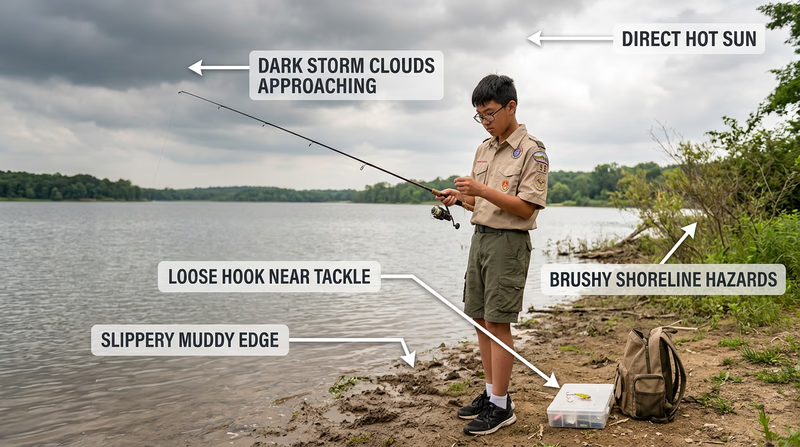
A Pre-Trip Hazard Check
Before You Fish
A fast hazard scan before the first cast
- Weather: Check forecast, storm timing, wind, and temperature.
- Water conditions: Notice current, depth, waves, and slippery edges.
- Gear safety: Inspect hooks, line, knife storage, and tackle layout.
- Personal readiness: Bring water, first-aid supplies, sunscreen, and proper shoes.
- Emergency plan: Know who is with you, where you are, and how to get help.
Talk Like an Angler Who Plans Ahead
When you explain hazards to your counselor, do not just list dangers. Show that you understand what to do about them. A strong answer sounds like this: “One hazard is lightning. I would anticipate it by checking the forecast and watching the sky, prevent problems by leaving the water early, mitigate the risk by knowing where shelter is, and respond by getting everyone to a building or vehicle as soon as thunder starts.”
That kind of answer shows judgment, not memorization.
NOAA Lightning Safety Clear guidance on recognizing lightning danger and getting to safety fast.Now that you have looked at overall hazards, it is time to focus on the specific injuries and health problems anglers may need to prevent and treat.