Req 1b — Treating Fishing Injuries
A small scrape from a rock may be no big deal. Heatstroke is a medical emergency. This requirement asks you to know the difference and to understand both prevention and treatment for several problems that are common on fishing trips.
Cuts and Scratches
Cuts and scratches happen around hooks, fish fins, knives, docks, and shoreline brush.
Prevention: Move slowly around sharp gear, use pliers to handle hooks, keep knives sheathed, and wear shoes instead of going barefoot near the water.
Treatment: Wash the wound with clean water, stop bleeding with gentle pressure, and cover it with a clean bandage. Watch for signs of infection such as redness, swelling, warmth, or pus.
Puncture Wounds
A puncture wound is deeper and narrower than a simple cut. Hooks, fish spines, and sharp plant stems can all cause punctures.
Prevention: Keep tackle organized, never leave hooks dangling loose, and use tools instead of fingers when removing hooks from fish.
Treatment: Clean the area carefully and control bleeding. Because puncture wounds can push dirt and bacteria deep into the skin, they deserve extra attention. If a hook or other object is deeply embedded, do not dig around carelessly. Get medical help when needed.
Insect Bites
Mosquitoes, biting flies, chiggers, ticks, and stinging insects are part of fishing in many places.
Prevention: Use insect repellent, wear long sleeves or pants when appropriate, avoid heavy brush, and check for ticks after the trip.
Treatment: Clean the bite or sting area, use a cold pack for swelling or pain, and try not to scratch. Remove ticks promptly with tweezers by pulling steadily near the skin. Watch for allergic reactions or signs of tick-borne illness.
Hypothermia
Hypothermia happens when the body loses heat faster than it can make it. Rain, wind, cold water, and wet clothing all increase the risk.
Prevention: Dress in layers, bring rain gear, avoid staying wet, and pack dry clothes.
Treatment: Move the person out of wind and wet conditions, replace wet clothing with dry layers, warm them gradually, and give warm drinks only if they are alert and able to swallow. Serious cases need medical help.
Dehydration
Dehydration is easy to miss because it builds slowly. By the time you feel very thirsty, you may already be behind.
Prevention: Drink water regularly, especially in sun and heat. Eat snacks during long outings because fluids and electrolytes both matter.
Treatment: Rest in shade and sip water or an oral rehydration drink. If the person becomes confused, cannot keep fluids down, or stops sweating in dangerous heat, think beyond simple dehydration.
Heat Exhaustion vs. Heatstroke
These two are related, but not the same.
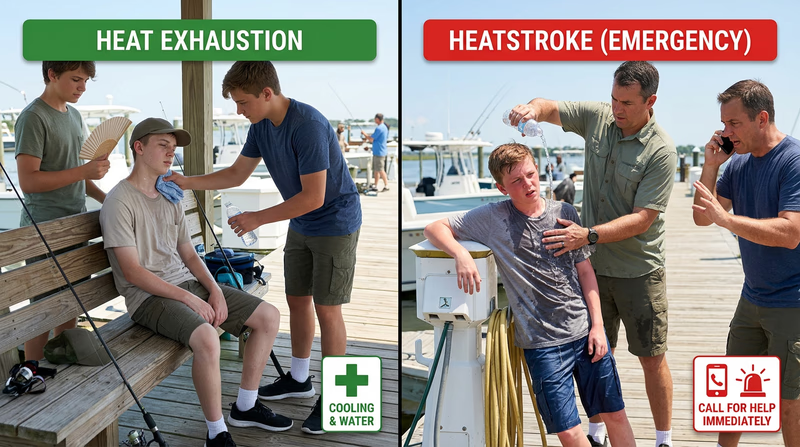
Heat exhaustion is serious, but usually comes before heatstroke. Signs include heavy sweating, weakness, headache, dizziness, nausea, and cool or clammy skin.
Prevention: Take breaks, wear breathable clothing, drink water often, and fish during cooler parts of the day when possible.
Treatment for heat exhaustion: Move the person to shade, loosen clothing, cool them with wet cloths or fanning, and give water if they are alert.
Heatstroke is a life-threatening emergency. Warning signs can include confusion, hot skin, altered behavior, fainting, or a body temperature that keeps rising. The person may stop sweating.
Treatment for heatstroke: Call emergency help immediately. Cool the person fast with cold wet towels, ice packs at the neck, armpits, and groin if available, or other rapid cooling methods while waiting for help.
Sunburn
Sunburn is damage from ultraviolet radiation. It hurts, increases long-term skin cancer risk, and can make the rest of a fishing trip miserable.
Prevention: Use broad-spectrum sunscreen, reapply it, wear a hat, cover exposed skin when possible, and use polarized sunglasses.
Treatment: Get out of the sun, cool the skin, drink water, and use gentle lotion if needed. Severe blistering or signs of heat illness mean the problem may be bigger than a simple sunburn.
Quick Comparison Guide
Know the Difference
What matters most in the moment
- Cut or scratch: Clean it, stop bleeding, and cover it.
- Puncture wound: Clean carefully and take it more seriously because infection can go deep.
- Insect bite or sting: Reduce swelling, monitor for allergy, and remove ticks properly.
- Hypothermia: Get dry, get warm, and warm gradually.
- Dehydration: Rest and rehydrate early.
- Heat exhaustion: Cool down and recover before it gets worse.
- Heatstroke: Call for emergency medical help and cool fast.
- Sunburn: Prevent it first; once it happens, protect the skin and rehydrate.
In Req 1a, you looked at broad hazards like weather and slippery footing. Here, you are turning that awareness into specific first-aid knowledge. Next, you will focus on one of the most fishing-specific injuries of all: a barbed hook in skin.
CDC — About Heat Stress Plain-language guidance on recognizing, preventing, and responding to heat-related illness.