Req 6b — Catch and Release
Catch and release means catching a fish and returning it to the water alive instead of keeping it. Done well, it helps protect fish populations, preserve quality fishing, and support conservation. Done poorly, it can still injure or kill fish even if they swim away at first.
Why Catch and Release Matters
Catch and release matters most when:
- regulations require release,
- the fish is undersized or out of season,
- the fish is a species you choose not to keep,
- or the angler wants to protect the fishery.
It helps maintain breeding populations, allows fish to grow larger, and supports long-term balance in the waterway. Many good fisheries exist partly because anglers release fish responsibly.
Safe Fish Handling Basics
A fish is built for water, not for dry land or rough hands. To release a fish safely, think about reducing air exposure, handling time, and physical damage.
Keep the Fish in the Water When Possible
The safest release often happens without fully lifting the fish out of the water. If you can remove the hook while the fish stays partly submerged, that is usually best.
Wet Your Hands
Dry hands can damage the fish’s protective slime layer. Wet hands first if you need to hold the fish.
Support the Fish Properly
Support the body. Do not squeeze hard. For larger fish, do not hang the whole fish by the jaw unless that is clearly safe for that species and size.
Remove the Hook Quickly and Carefully
Use pliers or a hook remover. Barbless hooks or pinched barbs can make release easier and safer.
Revive the Fish if Needed
If the fish seems exhausted, hold it upright in the water and allow water to move gently past its gills until it can swim away on its own.
A Good Release Sequence
Safe Catch-and-Release Steps
From strike to swim-away
- Land the fish efficiently: Do not overplay it to exhaustion.
- Prepare tools before handling: Have pliers ready.
- Keep it wet and handle it briefly: Wet hands and reduce air time.
- Remove the hook carefully: Avoid tearing tissue.
- Support and release gently: Let the fish regain strength if needed.
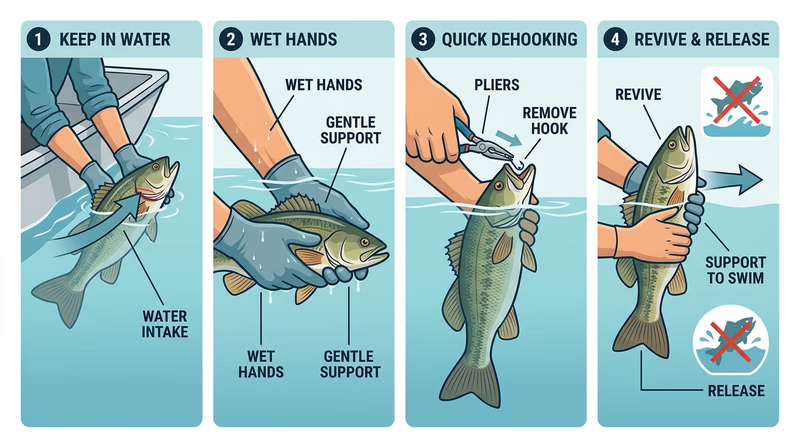
Why Technique Matters
Some anglers think release success only means “the fish swam away.” That is not always true. A fish may swim off and still die later from stress, injury, or poor handling.
That is why small details matter:
- using tackle strong enough to land fish efficiently,
- avoiding long photo sessions,
- and knowing when water temperature makes release harder on fish.
Catch and Release as an Ethical Skill
In Req 6a, you learned how Leave No Trace and the Outdoor Code apply to fishing resources. Catch and release is one of the clearest examples of that mindset. It says, “I value the fishery beyond this one moment.”
Keep Fish Wet Science-based guidance on fish handling practices that improve catch-and-release survival.The next requirement zooms out from personal ethics to the legal side of fishing: regulations and why they exist.