Req 10 — Catch and Identify a Fish
This requirement sounds simple, but it combines almost everything in the badge. You need safe habits, balanced gear, solid knots, casting control, smart fly choice, and enough observation to recognize what species you caught. It is the moment where your preparation finally meets a real fish.
Catching a Fish on a Fly
The exact strategy depends on where you fish and what species live there. A small pond bluegill on a popper counts just as honestly as a stream trout on a nymph. The point is to catch a fish using fly-fishing methods.
Good beginner targets often include:
- Bluegill and other panfish
- Small bass
- Stocked trout where available
- Creek chub or other willing small fish in local streams
These species can teach timing, presentation, and fish handling without requiring advanced travel or difficult conditions.
Improving Your Chances
- Fish where fish actually live. Local knowledge matters.
- Match your fly to likely food, using the thinking from Req 6.
- Keep casts manageable. Accurate short casts often outfish heroic long ones.
- Stay observant and willing to change flies.
- Fish during active periods such as morning, evening, or insect activity windows.
Identifying the Fish
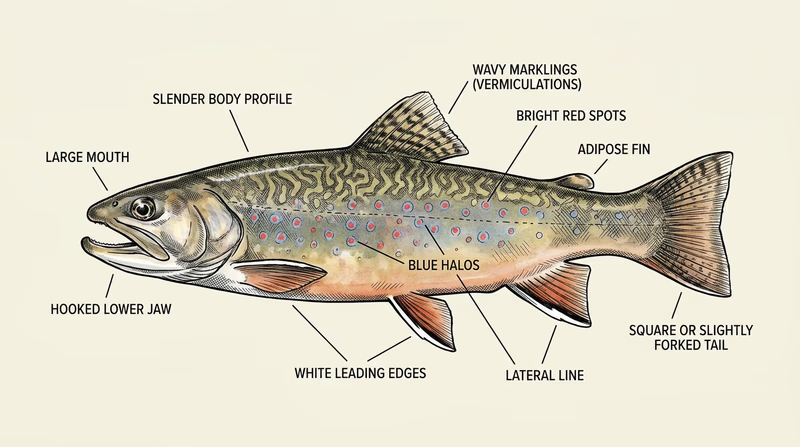
Once you catch the fish, slow down and observe. Identification means more than blurting out your best guess.
Look at:
- Body shape: Long and streamlined? Tall and round?
- Mouth position: Large bass mouth? small trout mouth? downturned sucker mouth?
- Fins: Count, size, and placement can help
- Color and markings: Spots, stripes, bars, or iridescent colors
- Habitat: Where you caught it is also a clue
If local regulations allow keeping the fish, you may have more time to study it. If you are releasing it, make your observation quick and respectful.
Common Beginner Mistakes
Guessing too fast
A fish with spots is not automatically a trout, and a sunfish is not always a bluegill. Learn the field marks that separate similar species.
Mishandling while identifying
Do not turn identification into a long photo session. Keep the fish wet and supported while you look.
Forgetting the fly method requirement
This badge is not asking you to catch a fish any way possible. It specifically asks for a fish caught on a fly.
Fast Fish ID Checklist
Observe these before releasing the fish
- Species group: Trout, bass, sunfish, panfish, or something else?
- Body markings: Spots, stripes, bars, or plain?
- Mouth and fins: Do they match your guess?
- Where caught: Stream, pond, lake edge, riffle, weed line, or flat?
A Good Scout Mindset
If you do not catch a fish right away, that does not mean the trip failed. Every outing still teaches you something about water, insects, presentation, or fish behavior. But when the fish finally does take, you will know the catch came from real skill instead of luck alone.
Take Me Fishing — Fish Identification A beginner-friendly starting point for learning common freshwater fish groups and identification clues.After catching and identifying a fish, the final requirement asks what comes next if local rules and health conditions allow the fish to become a meal.