Req 1a — Hazards on the Water
A fly line whipping through the air with a sharp hook on the end can turn a fun outing into an injury in one second. Add slippery rocks, moving water, hot sun, changing weather, and remote locations, and it becomes clear why safety is the real first skill in fly fishing.
The Hazards You Are Most Likely to Face
Fly fishing hazards usually fall into a few common groups. If you can spot them early, you can prevent most problems before they start.
Hooks, Flies, and Casting Space
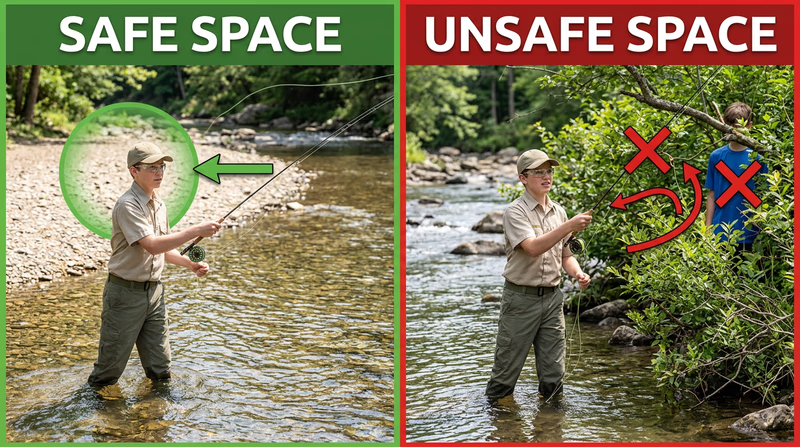
A fly may be small, but the hook is still sharp enough to puncture skin, clothing, ears, or eyes. False casting increases the chance of hooking yourself or someone standing too close. Trees and brush can also snag a back cast and send the fly in an unexpected direction.
To prevent this, check behind you before every cast, keep a safe bubble around yourself, and wear eye protection. If you are teaching a friend or fishing with a group, spread out so nobody is in another angler’s casting lane.
Slippery Banks, Mud, and Wading Hazards
Many good fishing spots have wet rocks, steep banks, hidden holes, or uneven bottoms. Moving water pushes against your legs and can make even shallow streams unstable. A fall near rocks or current can cause cuts, sprains, or a dangerous sweep downstream.
Anticipate this hazard by studying the area before stepping in. Move slowly, shuffle your feet, and test each foothold. If conditions look questionable, fish from shore instead of wading.
Weather and Temperature Stress
Fly fishing often means long stretches outdoors with little shade. Hot days can cause dehydration, sunburn, heat exhaustion, and heatstroke. Cold rain, wind, or icy water can lead to hypothermia even when the air temperature does not seem extreme.
Check the forecast before you leave. Pack layers, water, snacks, sun protection, and rain gear. If thunder is nearby, stop fishing immediately and move away from open water and rods.
Insects, Plants, and Wildlife
Mosquitoes, ticks, bees, wasps, poison ivy, and thorny plants all show up where fish live. In some areas you may also encounter snakes, alligators, bears, or aggressive nesting birds. Most wildlife problems happen when people move carelessly or leave food out.
Reduce the risk by knowing local conditions, using insect repellent when appropriate, wearing long pants in brushy places, and giving wildlife plenty of space. Check for ticks after the trip.
Remote Locations and Limited Help
A peaceful stream can also be far from roads, cell coverage, or medical help. A minor injury in town may become a serious problem when you are far away and alone.
That is why you should tell someone where you are going, fish with a buddy when possible, and carry basic first-aid supplies. Think about how you would get help before you need it.
How to Anticipate, Prevent, Mitigate, and Respond
Your counselor may ask you to explain not just the hazard, but what to do about it. This four-part approach helps:
- Anticipate by studying the location, forecast, regulations, and water conditions before you go.
- Prevent by using the right clothing, gear, spacing, and habits.
- Mitigate by lowering the severity of a problem when it starts, such as leaving the water when current feels too strong or moving to shade before heat illness develops.
- Respond by using first aid, getting help, and ending the outing if safety is no longer under control.
Five Safety Practices Every Fly Angler Should Follow
These are strong examples to discuss with your counselor
- Wear eye protection and a hat: Sunglasses protect your eyes from hooks, branches, glare, and UV light. A brimmed hat adds another layer of defense.
- Look behind you before casting: A safe back cast prevents hooking people, pets, or brush.
- Use proper footing near water: Move slowly on rocks, mud, and stream bottoms, and avoid wading when conditions are unsafe.
- Dress for weather and drink water: Layers, rain gear, sunscreen, and hydration prevent many common outdoor emergencies.
- Fish with a plan: Tell someone where you are going, carry first aid supplies, and know how to leave the area quickly if conditions change.
A Real-World Safety Scenario
Good fly anglers are not fearless. They are careful. They notice risks early and make smart choices before those risks become emergencies. That judgment is part of what makes someone trustworthy on the water.
Leave No Trace — Seven Principles Review the seven core outdoor ethics principles that also help keep anglers safer and more aware in the field.Before you can handle hazards well, you also need to know the first-aid side of the sport — what to do when common fishing injuries or outdoor illnesses happen.