Req 1b — Preventing Fishing Injuries
A day of fly fishing can put you in cold water, bright sun, rough brush, and buggy places all at once. Most fishing-related medical problems are preventable, but only if you recognize them early and respond before a small problem grows into a serious one.
This requirement covers eight common health concerns you may face while fly fishing:
- Cuts and scratches from rocks, branches, and fish fins
- Puncture wounds from hooks and sharp gear
- Insect bites from mosquitoes, ticks, and stinging insects
- Hypothermia from cold water, wind, and wet clothing
- Dehydration from sun, heat, and long hours outside
- Heat exhaustion when your body starts to overheat
- Heatstroke when overheating becomes a true emergency
- Sunburn from long UV exposure, especially near reflective water
Cuts, Scratches, and Puncture Wounds
Brushy banks, fish teeth, fins, hooks, and uneven rocks can all break skin. Small wounds may not look dramatic, but they can become painful or infected if ignored.
Prevention: Wear sturdy clothing, move carefully through brush, keep flies secured when not in use, and handle fish calmly. Keep a small first-aid kit with bandages, gauze, antiseptic wipes, and tape.
Treatment: Wash the wound with clean water, remove dirt if possible, apply pressure if it is bleeding, then cover it with a clean dressing. Watch for infection signs later, such as redness, warmth, swelling, pus, or fever.
A puncture wound is different from a shallow scratch because the damage goes deeper and may trap bacteria inside. That means hook wounds deserve extra attention, especially if the hook was dirty or used on a fish.
Insect Bites and Stings
Mosquitoes are annoying, but ticks and stinging insects deserve more respect. Ticks can carry disease. Bees and wasps can trigger allergic reactions. Some bites also become infected after scratching.
Prevention: Use repellent according to label directions, wear long sleeves or pants in brushy areas, and avoid disturbing nests. Check your body and clothing for ticks after fishing, especially behind knees, around the waist, under arms, and at the hairline.
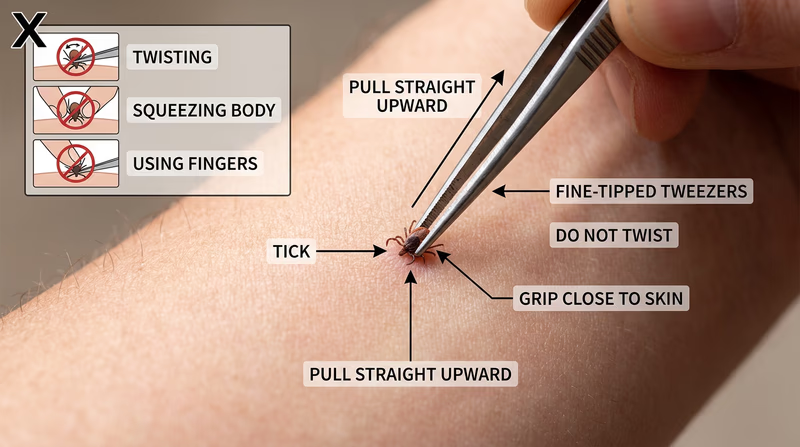
Treatment: Clean the bite area, use a cold pack for swelling, and avoid scratching. If you find a tick attached, remove it promptly with fine-tipped tweezers by pulling straight out. For a sting, remove the stinger if present, wash the area, and monitor for trouble breathing, swelling of the face, or widespread hives.
Cold Problems: Hypothermia
Hypothermia happens when your body loses heat faster than it can make it. Many people think this only happens in snow, but wet clothing, wind, and cold water can bring it on during fishing season too.
Early signs include shivering, clumsiness, numb hands, slow thinking, and slurred speech. A Scout with cold hands may struggle to tie knots or clip tippet. That is often an early warning sign.
Prevention: Dress in layers, avoid staying wet, bring rain gear, and pack dry spare clothing if conditions are cold. Limit time in cold water and eat and drink enough to keep your body fueled.
Treatment: Move the person out of wind and wet conditions, remove wet clothing if possible, wrap them in dry layers and blankets, and warm them gradually. Give warm drinks only if they are alert and able to swallow.
Hot Problems: Dehydration, Heat Exhaustion, and Heatstroke
Water reflects sunlight, and many fishing spots offer little shade. That makes heat problems very common.
Dehydration
Dehydration means your body is losing more fluid than you are replacing. Signs include thirst, headache, dark urine, dry mouth, dizziness, and tired muscles.
Prevention: Drink water regularly, not just when you feel thirsty. Eat snacks, take shade breaks, and avoid waiting until you feel weak.
Treatment: Rest in shade, sip water or an electrolyte drink, and cool down. Mild dehydration often improves quickly if you act early.
Heat Exhaustion
Heat exhaustion is more serious. Signs can include heavy sweating, weakness, nausea, headache, dizziness, muscle cramps, and cool, clammy skin.
Prevention: Same as dehydration, plus wear light-colored clothing and plan hard activity for cooler parts of the day.
Treatment: Move to shade or air conditioning, loosen clothing, apply cool wet cloths, fan the person, and give fluids if they are fully awake and not vomiting.
Heatstroke
Heatstroke is a medical emergency. The body can no longer control its temperature. Signs may include confusion, altered behavior, collapse, seizure, or very high body temperature. The skin may be hot and dry or still sweaty.
Sunburn
Sunburn is more than red skin. It is damage from ultraviolet radiation, and water reflects UV light back at you. That means anglers often get burned under the chin, on the ears, and on the backs of hands.
Prevention: Use broad-spectrum sunscreen, reapply it as directed, wear polarized sunglasses, a brimmed hat, sun-protective clothing, and seek shade when possible.
Treatment: Get out of the sun, cool the skin with damp cloths or a cool shower, drink fluids, and use aloe or moisturizer if helpful. Severe blistering, fever, or widespread pain may need medical attention.
Build a Fishing Health Kit
Simple items that help with the problems in this requirement
- Bandages and gauze: For cuts and scrapes
- Antiseptic wipes: For cleaning small wounds
- Tweezers: Helpful for ticks and splinters
- Cold pack or cooling cloth: Useful for bites, stings, and overheating
- Sunscreen and lip balm: For UV protection
- Water and electrolyte drink mix: For hydration and heat prevention
In Req 1a, you learned how to spot risks before they cause trouble. This requirement adds the first-aid side: once a problem happens, stay calm, treat the person, and decide whether the trip should end.
CDC — Heat Stress Learn to recognize heat exhaustion, heatstroke, and other heat-related illnesses and how to respond.One special puncture wound deserves its own requirement because it happens often in fishing and needs careful handling: a hook lodged in skin.