Req 2 — Balanced Fly Tackle
Fly tackle works best when the parts are matched like members of the same team. If your rod, line, and leader do not fit together, casting feels awkward, accuracy drops, and the fly lands poorly. A balanced system helps the rod load correctly, the line turn over smoothly, and the fly reach the fish in a natural way.
What a Balanced System Means
In fly fishing, the rod, reel, line, leader, and tippet all affect one another. The biggest match is between the rod weight and the fly line weight. A 5-weight rod is designed to cast a 5-weight line. If you put a much heavier or lighter line on it, the rod will not flex the way it was meant to.
The leader also matters. It transfers energy from the thicker fly line to the tiny fly. If the leader is too short, too long, too stiff, or too heavy for the setup, the fly may crash down or fail to straighten out.
A simple balanced trout setup might look like this:
- Rod: 9-foot 5-weight
- Line: Weight-forward floating 5-weight line
- Leader: 9-foot tapered 5X leader
- Tippet: 5X or 6X depending on fly size and fish conditions
That is not the only right answer, but it shows the idea: the pieces are chosen to work together.
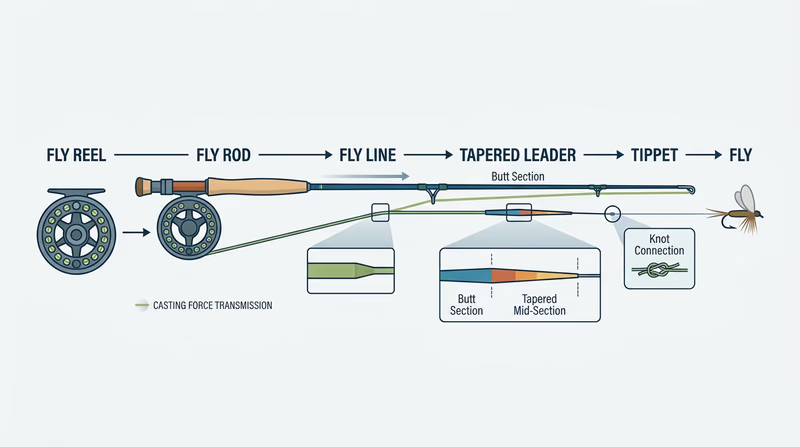
Matching Rod, Line, and Leader
Rod
The rod provides casting power and control. Lighter rods are used for smaller flies and fish, while heavier rods are for wind, big flies, or stronger fish.
- 3–4 weight: Small streams, panfish, small trout
- 5–6 weight: All-around trout and many beginner setups
- 7–8 weight: Bass, bigger streamers, light saltwater use
- 9 weight and up: Large saltwater fish and heavy flies
Fly Line
The line carries the weight that loads the rod. That is very different from spinning gear, where the lure weight does most of the work. In fly fishing, the line is the engine of the cast.
Leader
The leader connects the thick fly line to the small fly in a way fish are less likely to notice. Tapered leaders start thick and end fine. This helps the cast unroll smoothly. A short strong leader may suit bass bugs. A longer finer leader may suit trout sipping small dry flies.
How to Build a Balanced Setup
Questions to ask before you rig up
- What fish are you targeting? Small trout need different gear than bass or redfish.
- What size flies are you casting? Tiny dries turn over differently than wind-resistant poppers.
- How big is the water? Tight creeks favor different rods and leader lengths than open lakes.
- What are the conditions? Wind, current, and casting distance all influence your setup.
Common Types of Fly Lines
Different fly lines are made to fish at different depths and in different situations.
Floating Line
A floating line stays on the surface. It is the most common beginner line and the most versatile. Use it for dry flies, shallow nymph rigs, poppers, and many streamers when you want easier line control.
Sinking Tip Line
A sinking tip line has a floating body and a front section that sinks. This helps get flies deeper while still allowing easier mending and handling than a full sinking line. It is useful in rivers or lakes when fish are feeding below the surface.
Full Sinking Line
A full sinking line sinks along its whole length. Anglers use it in lakes, reservoirs, or deep runs where fish are holding well below the surface. It is less convenient for surface control, but excellent for depth.
Intermediate Line
An intermediate line sinks slowly. It is especially useful in stillwater or saltwater when fish are below the surface but not deep. It keeps a fly in the strike zone longer than a floater without plunging quickly.
Specialty Tapers
You may also hear about weight-forward, double taper, and specialty tapers. Weight-forward lines place more mass near the front for easier distance and turnover. Double taper lines are more delicate and can be nice for shorter casts and roll casts.
Caring for Fly Tackle
Gear care is part of being a responsible angler. Dirty lines cast poorly. Damaged leaders break. Rods get stepped on. Reels corrode.
Here are the big habits to discuss with your counselor:
- Rinse and wipe down gear after fishing, especially after muddy or saltwater trips.
- Check guides and line for cracks, nicks, and wear.
- Stretch and clean fly line occasionally so it shoots better and lasts longer.
- Store rods in tubes and avoid leaning them where they can be knocked over.
- Replace worn leaders and tippet before they fail on a fish.
- Dry flies and boxes before sealing everything up to reduce rust.
A balanced setup does not guarantee fish, but it gives you a system that works with you instead of against you. Once you understand how the parts fit together, the next step is learning the knots that connect them.
Orvis Learning Center — Fly Fishing Lines, Leaders, and Tippet A reliable overview of how fly lines, leaders, and tippet work together in a complete fly-fishing system.Now it is time to rig the setup piece by piece, starting at the reel.