Req 4 — Fly Types and Imitation
A fish does not know the name of your fly. It reacts to what the fly looks like, where it is in the water, and how it moves. This requirement is about learning the big fly categories so you can understand what each one imitates and when anglers choose it.
Dry Flies
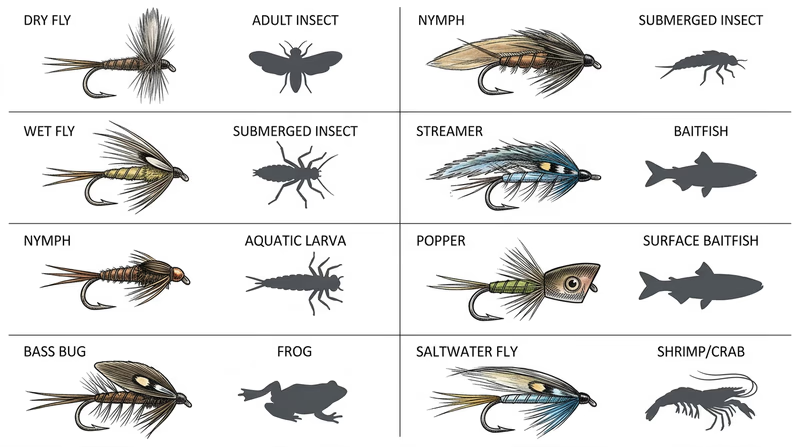
Dry flies float on the surface. They imitate adult insects such as mayflies, caddisflies, and midges that are resting on or trapped in the surface film.
Use dry flies when you see fish rising, insects hatching, or surface feeding activity. Dry-fly fishing is exciting because you can watch the take happen.
Typical imitation:
- Adult mayflies
- Adult caddisflies
- Midges on the surface
- Land insects like ants or beetles in some cases
Wet Flies
Wet flies fish below the surface, usually just under it or drifting slightly deeper. They can imitate emerging insects, drowned adults, or small general food items.
Wet flies are useful when fish are feeding just below the surface or when you want a simple swung presentation across current.
Nymphs
Nymphs imitate immature aquatic insects living underwater before they hatch into adults. Many trout eat far more nymphs than dry flies because nymphs are available underwater for a much longer time.
Use nymphs when fish are feeding subsurface, when surface activity is low, or when you want a dependable way to cover water. Matching the size and depth often matters more than perfect color.
Streamers
Streamers imitate larger prey such as minnows, baitfish, leeches, and sometimes crayfish. They are usually stripped, swung, or pulsed through the water to suggest movement.
Use streamers when fish are chasing bigger meals, when water is stained, when temperatures are cooler, or when targeting aggressive species.
Bass Bugs
Bass bugs are often larger topwater flies for bass and other warmwater fish. They imitate frogs, mice, injured baitfish, or just create a tempting surface disturbance.
Use bass bugs around cover such as lily pads, logs, weed edges, or shorelines, especially in low-light conditions.
Poppers
Poppers are surface flies with shaped heads that push water and make noise when stripped. They often imitate struggling prey or simply trigger reaction strikes.
Use poppers when fish are willing to attack on top. Bluegill and bass are famous for smashing them.
Saltwater Flies
Saltwater flies imitate shrimp, crabs, baitfish, and other coastal food sources. They are often tied with materials that shed water, resist corrosion, and show up well in bright conditions.
Use saltwater flies based on the species and habitat. A bonefish fly might imitate a shrimp on a sandy flat. A striped bass fly may imitate a baitfish in surf or estuary water.
How to Choose the Right Category
Think about three things:
- Where are fish feeding? Surface, just under it, or deep?
- What food is available? Insects, baitfish, frogs, crayfish, shrimp?
- How do you want the fly to move? Dead drift, swing, strip, pop, or skitter?
What Each Fly Category Imitates
A fast comparison to help you explain this requirement
- Dry flies: Adult insects on the surface
- Wet flies: Emerging or drowned insects just under the surface
- Nymphs: Immature aquatic insects underwater
- Streamers: Minnows, leeches, crayfish, and larger prey
- Bass bugs: Frogs, mice, baitfish, or noisy topwater meals
- Poppers: Surface prey or disturbance that triggers strikes
- Saltwater flies: Shrimp, crabs, baitfish, and other coastal forage
About Tying Flies
The requirement also asks you to tie at least two types of flies from this list. That does not mean you need to become a master fly tier overnight. It means you should understand the parts of a fly and try building patterns that match a category.
A simple dry fly teaches proportion and floating materials. A basic nymph teaches weighting and slim underwater bodies. A streamer teaches profile and movement. Even if your first flies look rough, tying helps you see what fish are actually responding to.
In Req 6, you will use this same thinking to observe real fish food at the water and match your fly choice to it.
Orvis Learning Center — Fly Fishing Flies A beginner-friendly overview of the main fly categories and what they imitate.Once you understand the flies, you still need to put them where the fish are. That means casting.