Req 7b — Catch and Release
Catch and release means returning a fish to the water after it is caught instead of keeping it. For many fly anglers, it is not just a rule. It is a conservation habit that helps protect fish populations, preserve quality fishing, and respect the resource.
Why Catch and Release Matters
Some waters depend on catch and release to keep fish numbers healthy. In other places, it helps large breeding fish survive and continue reproducing. Even where keeping some fish is legal, responsible release gives anglers another option when a fish is too small, out of season, or simply better left in the ecosystem.
Catch and release is especially important when:
- Fish populations are fragile
- Water temperatures are stressful
- Regulations require release
- You catch a species or size class that should not be harvested
A Released Fish Still Needs Care
Just because a fish swims away does not mean it was handled well. Poor handling can remove protective slime, damage gills, stress the fish, or leave it too exhausted to survive.
That means proper release is about reducing fight time, handling time, and physical damage.
Steps for Safe Release
- Land the fish quickly using tackle strong enough for the species.
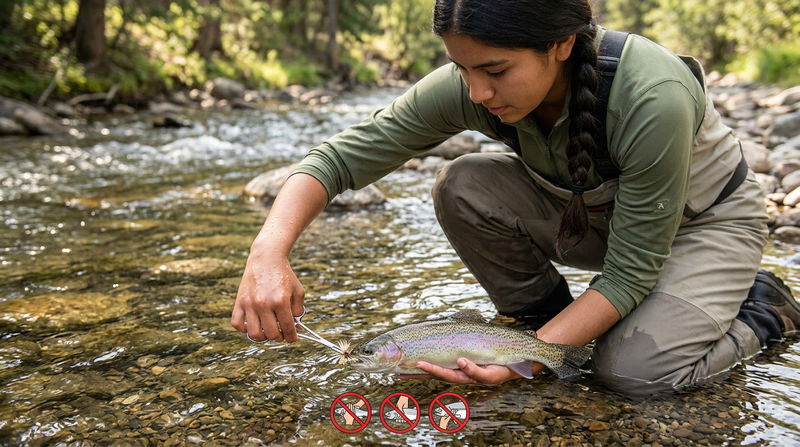
- Keep the fish in the water as much as possible.
- Wet your hands before touching it.
- Avoid squeezing the body or putting fingers in the gills.
- Use hemostats or forceps to remove the fly carefully.
- Support the fish upright in the water if it needs time to recover.
- Release it only when it can swim away on its own.
Barbless Hooks and Better Release
Many anglers pinch down barbs or use barbless hooks because fish can be unhooked faster and with less tissue damage. This also makes accidental hook injuries to people easier to handle, which connects directly to Req 1c.
Water Temperature Matters
Warm water holds less oxygen, and fish tire faster in it. A fish released during stressful warm conditions may look fine at first but die later. Smart anglers change tactics or stop fishing when conditions are hard on fish.
Catch and Release Is About Respect
A fish is not a prop. It is part of a living system. Releasing it carefully shows respect for the resource and for the next angler who may encounter that fish later.
Catch and release works best when paired with good regulations, habitat protection, and sportsmanship. That makes the next requirement a natural follow-up: why fishing rules exist in the first place.
Keep Fish Wet A conservation-focused resource showing best practices for handling and releasing fish with minimal stress and injury.Now that you understand how to release fish responsibly, it is time to study the rules that guide legal and sustainable fishing where you live.