Req 3a–3b — Forest Benefits & Your Watershed
This requirement covers two big ideas that belong together:
- How forests help people and ecosystems
- Where your own community’s water comes from
When foresters talk about the value of forests, they do not just mean trees standing on a hillside. They mean all the benefits those forests provide every day, often without people noticing.
Req 3a — The Contributions Forests Make
Forests contribute to our lives in many ways at once.
1. Products and the Economy
Forests provide lumber, paper, plywood, furniture material, pallets, packaging, fuelwood, maple syrup, cork-like products in some regions, and many chemicals originally developed from wood compounds. They also support jobs for loggers, truck drivers, mill workers, arborists, foresters, firefighters, nursery workers, and recreation businesses.
2. Social Well-Being and Recreation
People go to forests to hike, camp, hunt, fish, paddle, bird-watch, photograph wildlife, and simply cool off in the shade. Forests can improve mental health, reduce stress, and make communities more pleasant places to live.
3. Soil Protection and Fertility
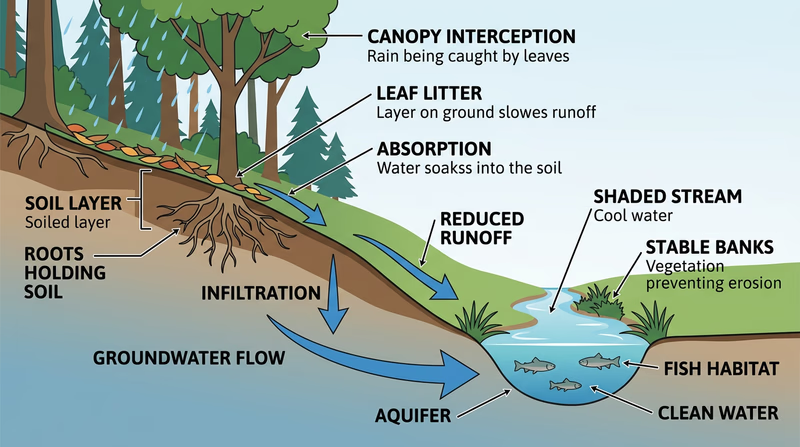
Roots hold soil in place. Leaf litter cushions the ground from heavy rain and slowly breaks down into organic matter. That organic matter helps soil store water and nutrients. Without forest cover, slopes can erode quickly.
4. Clean Water
Forests act like giant filters. Rain falls on leaves, trickles down trunks, soaks into forest soil, and moves more slowly into streams. That reduces erosion and helps remove sediment before it reaches rivers and reservoirs.
5. Clean Air and Carbon Cycling
Trees absorb carbon dioxide during photosynthesis and store carbon in wood, roots, and soil. Forests also release oxygen and help reduce some air pollutants. Carbon storage is one reason forests matter in discussions about climate.
6. Wildlife Habitat
A forest is not just a place with trees. It is a layered habitat system. Canopy trees, understory shrubs, fallen logs, standing dead trees, leaf litter, and streams all create places for animals to feed, hide, and reproduce.
7. Fisheries Habitat
Forests upstream affect fish downstream. Shade helps keep streams cool. Roots stabilize banks. Fallen trees create pools and cover. When forest cover is removed badly, streams can warm up and fill with sediment, making them worse for fish.
8. Threatened and Endangered Species
Many rare plants and animals depend on very specific forest conditions. Some need old-growth structure, others need open pine woodland maintained by fire, and others depend on clean cold streams flowing through intact forest. Protecting forests can mean protecting species that have nowhere else to go.
One Forest, Many Benefits
Foresters often have to think about all of these at once
- Wood products for homes, tools, paper, and jobs.
- Water protection for towns, farms, and fish.
- Habitat for common wildlife and rare species.
- Recreation for hikers, campers, hunters, and families.
- Carbon storage and clean air that help the broader environment.
Req 3b — Your Community’s Water Source
A watershed is all the land that drains water to the same stream, river, lake, or reservoir. If rain falls anywhere in that area, gravity eventually pulls it toward the same outlet. Your community may rely on a reservoir, a river, wells that tap groundwater, or a combination of sources.
This part of the requirement asks you to identify which watershed or source your community depends on. That means moving from a general idea to a specific local answer. You may need to ask your water utility, city government, county environmental department, or state agency.
When you research your community’s water source, try to learn:
- the name of the river, reservoir, aquifer, or watershed
- whether the water is surface water or groundwater
- whether forested land helps protect that source
- what threats could affect water quality
If your area gets water from a forested reservoir or river basin, you now have a direct connection between forestry and everyday life. Turning on a faucet can depend on decisions made far upstream.
The Big Idea
Req 3 is really about seeing forests as infrastructure. Roads, pipes, and dams are visible infrastructure. Forests are quieter, but they also do jobs people depend on. They protect slopes, cool streams, store carbon, and support species and industries. Once you understand that, forest management makes more sense — because people are not managing only trees, they are managing all the benefits forests provide.
This leads naturally to Req 4. If forests are important for so many reasons, how should they be managed? That is the question foresters face every day.
USDA Forest Service — Forest Management and Water An overview of how forests influence water quality, soil protection, and watershed health.