Req 6a — Hazard Tree Inventory
A shady campsite or neighborhood tree can feel safe and welcoming, but trees are living structures. Limbs die, trunks decay, roots weaken, and storms change stability. This requirement teaches you to notice problems before they hurt someone or damage property.
What Makes a Tree a Hazard?
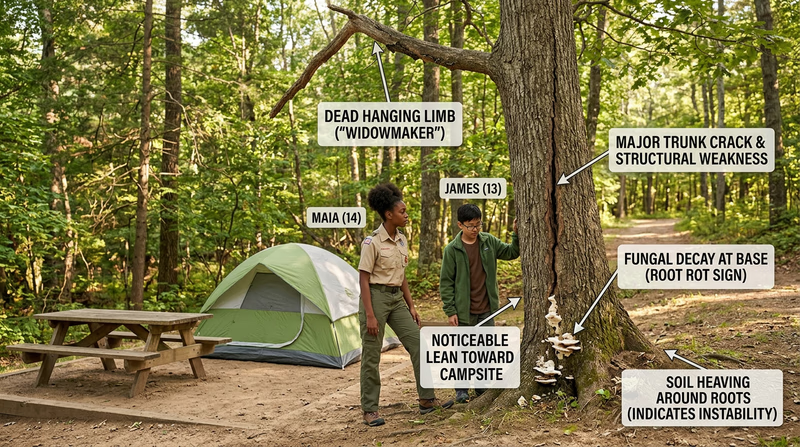
A hazard tree has a defect that could fail and a target that could be hit. That target might be a tent site, road, picnic table, trail, parking lot, street, building, or play area. If a tree is deep in the woods where no one goes, it may not be a hazard in the same sense even if it is badly damaged.
Common warning signs include:
- dead or hanging branches
- major trunk cracks or splits
- mushrooms or decay at the base
- hollow sections or cavities
- root damage or soil heaving
- a tree leaning toward a target
- dead top or major dieback in the crown
Species matters too. Some species tend to shed branches more readily, decay faster after injury, or break under snow or wind more easily than others.
How to Inventory Safely
Pick a specific area and move through it slowly. You are not diagnosing every tree in the landscape. You are looking for obvious issues near places used by people. Record:
- the tree species if you can identify it
- where the tree is located
- the hazardous condition you observed
- what target could be hit
- your suggested remedy
A remedy might be trimming, removing the tree, moving the target, or getting a professional inspection. Do not assume removal is always the answer. Sometimes a single dangerous limb is the real issue.
Hazard Tree Notes
Keep your list practical and easy for others to review
- Location: campsite number, trail marker, street address area, or landmark.
- Species: identify if possible, or note “unknown hardwood/conifer” if not certain.
- Hazard observed: cracked stem, dead top, decay, hanging limb, lean, root issue.
- Suggested action: monitor, trim, inspect further, or remove.
Think Like a Reporter, Not a Chainsaw Operator
Your job is to observe and communicate clearly. The proper authority — camp ranger, park manager, public works department, homeowners association, or other responsible agency — decides what to do next. That is why the requirement says to make your list available to the proper authority. A clear report can help professionals prioritize the most urgent problems.
This option also builds on what you studied in Req 2c. Decay fungi, insect attack, root damage, and dead tops are not just biological facts — they can become safety concerns where people gather.
USDA Forest Service — Hazard Trees Background on why hazardous trees matter for safety and how agencies think about tree risk in developed or frequently used areas.