Req 1a–1b — Garden Safety & First Aid
This requirement covers two basic skills every gardener needs before planting much of anything:
- How to recognize hazards in the garden
- How to prevent and treat common gardening injuries and health problems
A garden may look peaceful, but it contains plenty of ways to get hurt if you stop paying attention. Sharp tools, hidden thorns, hot sun, heavy lifting, biting insects, and chemical products can all turn a fun work session into a problem fast. Safe gardening is not about being nervous. It is about noticing hazards early and building habits that keep small problems from becoming serious ones.
Requirement 1a: Garden Hazards and Prevention
The Most Common Gardening Hazards
Sharp Tools and Blades
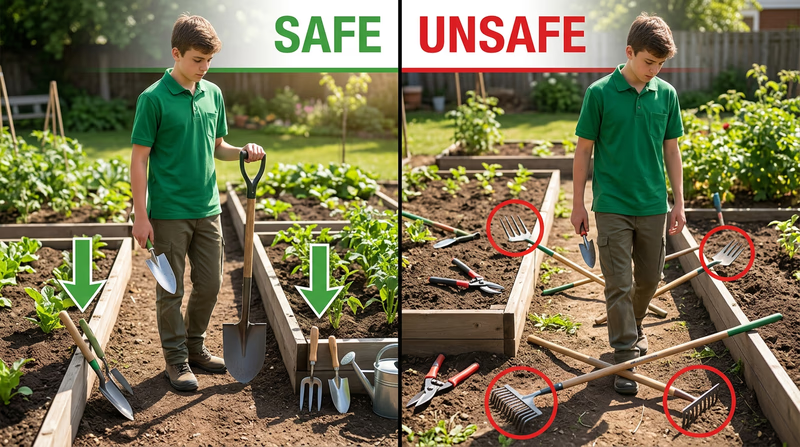
Trowels, pruners, hoes, shovels, and knives are useful because they cut, dig, and scrape. That also means they can cut skin quickly. Many injuries happen when someone leaves a tool on the ground, carries it carelessly, or tries to use the wrong tool for the job.
Good prevention starts with simple habits. Carry pointed tools with the sharp end down. Keep tools in one work area instead of scattering them around the bed. Use gloves when appropriate, but do not assume gloves make you invincible. Clean and store tools after use so rusty edges and stuck dirt do not create extra risk.
Heat, Sun, and Dehydration
Gardening often happens outdoors in warm weather, and many Scouts keep working longer than they realize because they are focused on the job. Heat exhaustion can sneak up on you. Early signs include heavy sweating, headache, dizziness, muscle cramps, weakness, nausea, and irritability.
Prevent heat problems by drinking water before you feel thirsty, taking breaks in shade, wearing a hat, and working during cooler morning or evening hours when possible. If someone becomes dizzy, weak, or overheated, stop work immediately, move them to shade, loosen tight clothing, give cool water if they are awake and alert, and ask an adult for help.
Repetitive Motion and Heavy Lifting
Gardening can also strain your body. Repeated bending, twisting, digging, and carrying bags of soil can injure your back, shoulders, knees, or wrists. Even if you are strong enough to move something, poor lifting technique can still cause pain.
Use your legs when lifting. Keep loads close to your body. Break big loads into smaller ones. Ask for help with heavy bags, large pots, or wheelbarrows on slopes. If a job feels awkward, slow down and rethink how to do it.
Thorny Plants, Splinters, and Hidden Objects
Rose stems, berry canes, wooden stakes, broken pots, and wire cages can scratch or puncture skin. Soil itself may hide sharp stones, glass, nails, or metal fragments in neglected areas.
Before you reach into a thick plant or brush pile, look first. Wear work gloves for thorny or rough jobs. Closed-toe shoes matter too. Sandals are a bad idea in nearly every garden.
Insects, Stings, and Allergic Reactions
Gardens attract pollinators, which is great for plants but means you may be near bees and wasps. Mosquitoes, ticks, ants, and spiders may also be present depending on where you work.
Most bites and stings are annoying rather than dangerous, but severe allergies are different. Anaphylaxis is a fast, serious allergic reaction that can include trouble breathing, swelling of the face or throat, hives, vomiting, and dizziness. A person with a known severe allergy may carry an epinephrine auto-injector.
Pesticides, Fertilizers, and Irritating Plants
Not every garden uses chemical products, but many do. Fertilizers can irritate skin and eyes. Pesticides can be dangerous if breathed in, swallowed, or absorbed through skin. Even some plants can irritate skin — poison ivy is the classic example, but sap from some ornamentals can also cause rashes.
The safest rule is this: use the least hazardous method that works. Often that means hand-pulling weeds, removing pests by hand, improving plant health, or using barriers before reaching for a chemical spray. If a product is used, read the label first, wear the recommended protection, and wash hands after handling it.
Requirement 1b: Preventing and Treating Common Garden Health Problems
Preventing Common Garden Injuries
Before You Start Gardening
A quick safety routine that prevents most problems
- Wear closed-toe shoes: Protect your feet from tools, thorns, and dropped pots.
- Dress for the weather: Hat, sunscreen, and light layers for heat; long sleeves if insects or plant irritation are a concern.
- Use gloves for the right tasks: Helpful for thorny plants, rough wood, and dirty soil, but still work carefully.
- Check your tools: Loose handles, rusty blades, or cracked plastic make accidents more likely.
- Know your products: Read fertilizer or pesticide labels before opening them.
- Keep water nearby: Hydration is part of garden safety, not an extra.
Common Garden Health Problems and First Aid
Cuts and Scratches
Wash the area with clean water and mild soap. Apply pressure if it is bleeding. Cover it with a clean bandage. Watch for signs of infection such as redness that spreads, warmth, swelling, pus, or increasing pain.
Small scratches are common in the garden, especially around tomato cages, thorny stems, and rough wood. They seem minor, but dirty scratches should still be cleaned because soil carries bacteria.
Puncture Wounds
Puncture wounds are more serious than they look because the opening is small but the damage can go deep. A nail, thorn, or sharp stake can drive dirt and bacteria below the skin. Wash the wound, cover it, and tell an adult right away. Deep punctures should be evaluated by a medical professional. Tetanus protection may matter.
Insect Bites and Stings
For ordinary bites or stings, wash the area, use a cold pack to reduce swelling, and avoid scratching. If a bee stinger is still present, remove it promptly by scraping it away with a fingernail or card edge. Watch for worsening swelling or allergic symptoms.
Heat Reactions
Heat cramps, heat exhaustion, and heat stroke are on the same danger spectrum. The response is always to stop, cool down, hydrate if appropriate, and get help early. Do not try to “push through” heat illness.
Exposure to Pesticides and Fertilizers
If a product gets on skin, rinse with lots of water. If it gets in the eyes, flush the eyes with clean water right away and keep flushing. If a product is swallowed or inhaled, get adult help immediately and use the label directions or Poison Control guidance. The label is not decoration — it tells you exactly what to do in an exposure emergency.
Thinking Like a Safe Gardener
The best gardeners pay attention before something goes wrong. They notice the weather, inspect their work area, put tools away, and stop when they are too tired or too hot to work carefully. That same observation skill will help you in later requirements when you track plant growth, pests, and pollinators.
If you have earned or are working on First Aid, some of this will feel familiar. The difference here is context. In a garden, prevention matters just as much as treatment. A Scout who remembers water, gloves, safe lifting, label reading, and careful tool handling will avoid many injuries altogether.
CDC — Protect Yourself From Tick Bites Practical guidance for avoiding ticks while working outdoors in grass, brush, and garden spaces. Poison Control What to do if someone is exposed to a chemical, plant, or garden product. Includes the U.S. Poison Help number.You now know how to work more safely and how to respond when common garden injuries happen. Next, put that safety mindset to work by growing vegetables from both seeds and seedlings.